





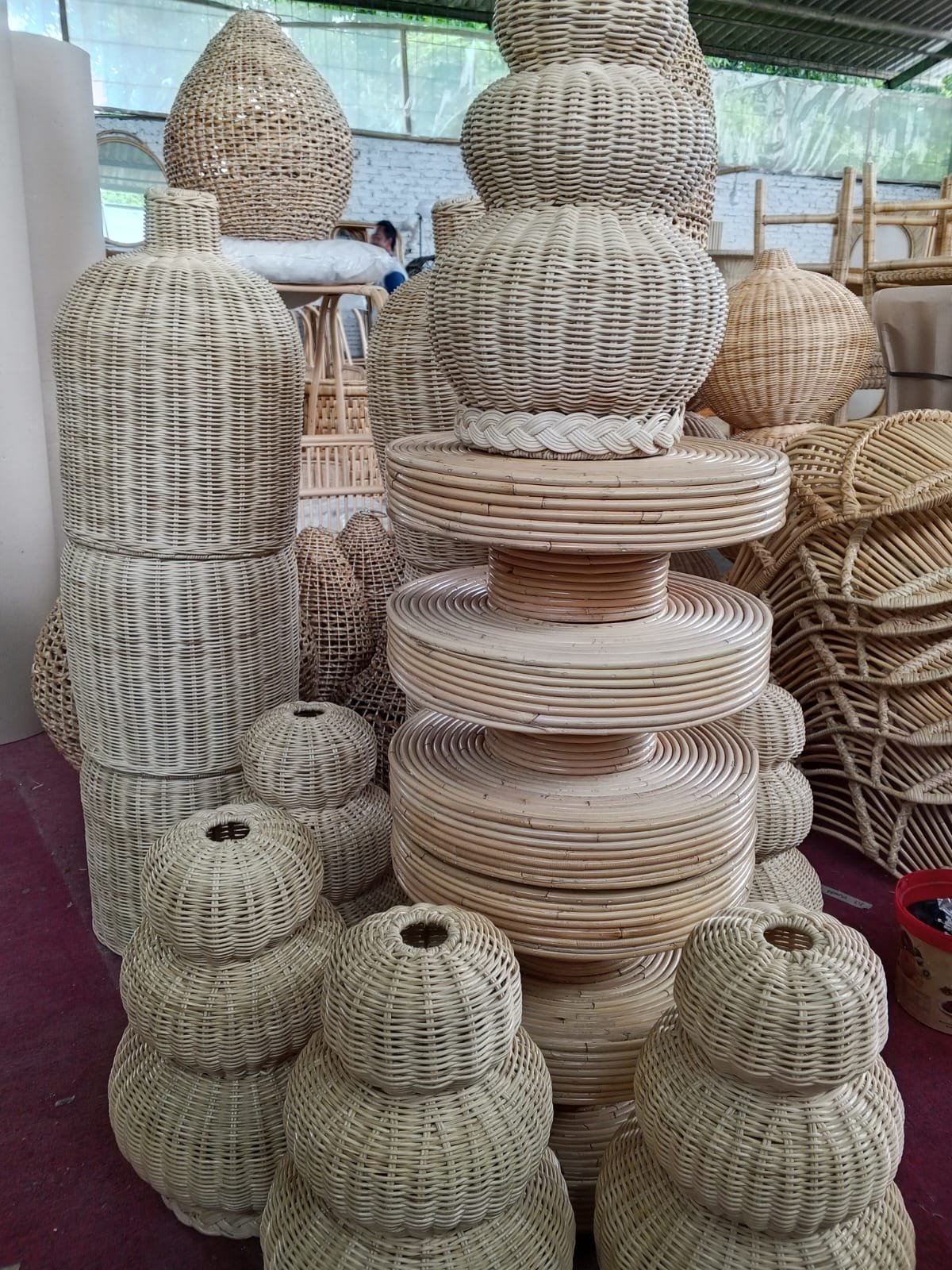
As environmental concerns continue to shape global industries, sustainability has become a key consideration for manufacturers and consumers alike. The furniture industry, in particular, has a significant impact on natural resources, energy consumption, and waste generation. Rattan furniture manufacturing offers a compelling model for building a sustainable future by combining renewable materials, eco-friendly production practices, and support for local communities.
Rattan: A Renewable and Sustainable Material
At the heart of sustainable rattan furniture manufacturing is the use of rattan itself. Rattan is a fast-growing climbing palm that thrives in tropical forests, primarily in Southeast Asia. Unlike hardwood trees, which may take decades to mature, rattan can be harvested within a few years, making it a highly renewable resource.
Responsible harvesting practices ensure that only mature rattan is collected, allowing younger plants to continue growing and preserving forest ecosystems. By using rattan instead of slow-growing timber, manufacturers reduce environmental impact and support sustainable resource management.
Eco-Friendly Production Methods
Sustainable production goes beyond raw materials. Rattan furniture manufacturing often incorporates low-energy, environmentally conscious production techniques. Rattan’s natural flexibility allows it to be bent and shaped using heat or steam rather than heavy machinery.
Additionally, many processes—such as weaving and assembly—are still performed manually by skilled artisans. These traditional methods minimize energy use while maintaining high-quality craftsmanship. Eco-friendly finishing techniques, including water-based coatings and non-toxic stains, further reduce chemical emissions, making the production process safer for both workers and the environment.
Reducing Waste and Promoting Resource Efficiency
Waste reduction is another critical aspect of sustainability. In rattan furniture manufacturing, leftover materials are often repurposed to create smaller furniture components, decorative items, or household accessories like baskets and lamps.
This approach maximizes the use of natural resources and minimizes industrial waste, supporting a circular production system. Efficient material use ensures that every piece of rattan contributes to a high-quality product while reducing environmental impact.
Supporting Local Communities and Traditional Craftsmanship
Sustainability is not only about environmental responsibility but also about social impact. Rattan furniture manufacturing provides employment opportunities for local artisans, harvesters, and factory workers.
These skilled craftsmen often rely on traditional techniques passed down through generations, preserving cultural heritage while providing stable livelihoods. By supporting local communities, the industry promotes social sustainability alongside environmental stewardship.
Encouraging Sustainable Consumer Choices
Rattan furniture also aligns with responsible consumption. Its durability and timeless design encourage consumers to purchase furniture that lasts for many years, reducing the frequency of replacement and minimizing resource consumption.
As awareness of environmental and social issues grows, consumers increasingly seek products that reflect sustainable production practices. Rattan furniture allows them to make choices that support both the planet and local communities.
Contributing to a Greener Global Furniture Industry
The global demand for environmentally responsible products continues to rise, and rattan furniture is gaining popularity in both domestic and international markets. By combining renewable materials, eco-friendly production methods, and social responsibility, rattan furniture manufacturing sets an example for a greener, more sustainable furniture industry.
Conclusion
Rattan furniture manufacturing demonstrates how traditional craftsmanship, modern production techniques, and sustainable practices can come together to build a sustainable future. By prioritizing renewable materials, minimizing environmental impact, reducing waste, and supporting local communities, the industry provides high-quality furniture that aligns with both ecological and social goals.
As global awareness of sustainability continues to grow, rattan furniture will remain a leading example of how industries can create products that are not only beautiful and functional but also responsible and future-focused.