





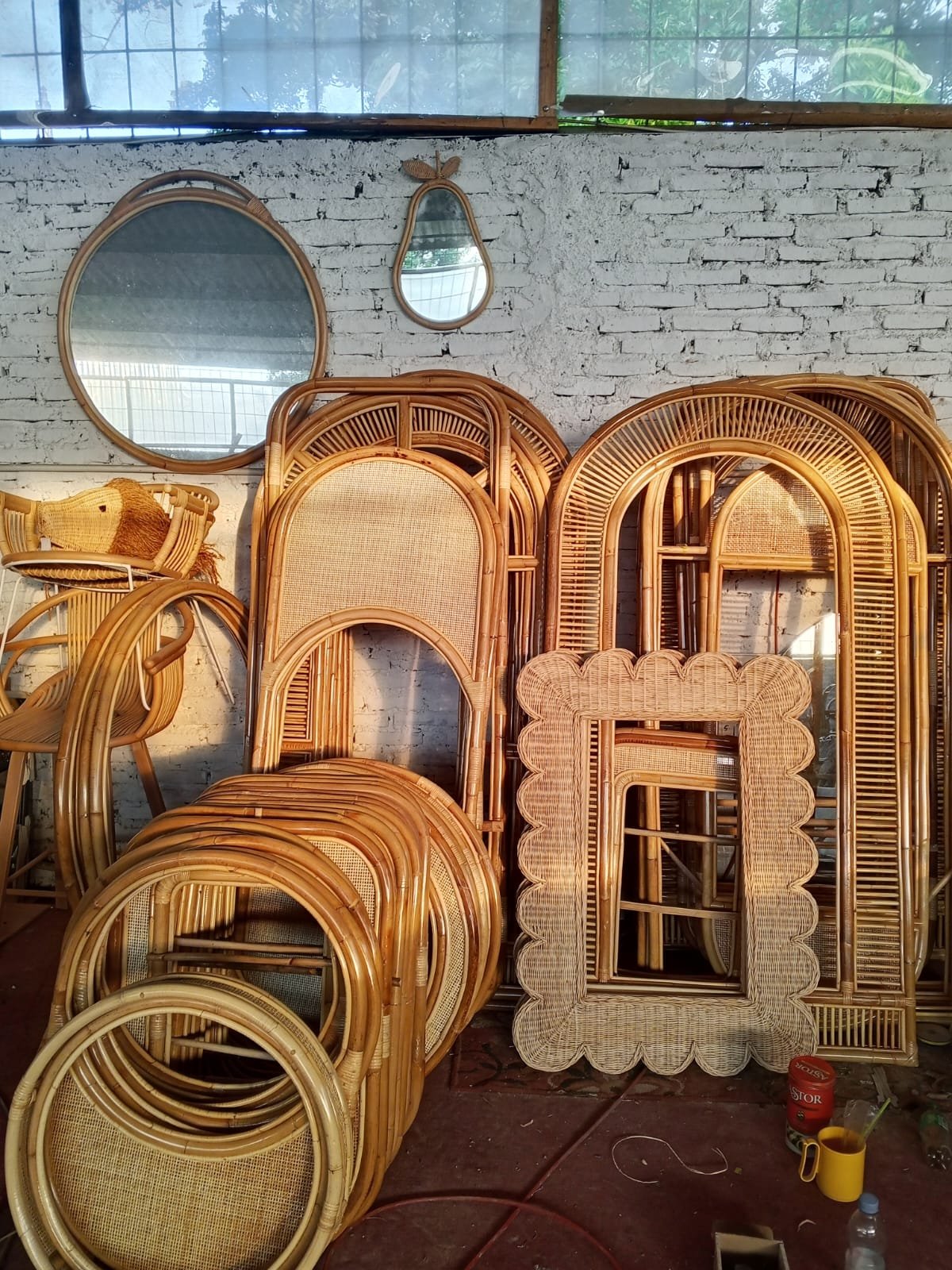
In recent years, sustainability has become a major concern in many industries, including furniture manufacturing. Consumers, designers, and businesses are increasingly looking for products that not only provide comfort and aesthetic value but also protect the environment. One material that stands out in this movement is rattan. Rattan furniture manufacturing represents a form of sustainable craftsmanship that combines traditional skills with environmentally responsible practices, contributing to the protection of natural ecosystems.
The Natural Advantages of Rattan
Rattan is a climbing palm that grows naturally in tropical forests, particularly in Southeast Asia. It is widely used in furniture production because of its strength, flexibility, and lightweight structure. One of the most significant advantages of rattan is its fast growth rate. Unlike hardwood trees that may take decades to mature, rattan can grow and be harvested within just a few years.
This rapid growth makes rattan a renewable resource, meaning it can be used continuously without causing long-term damage to the environment when harvested responsibly. Because rattan thrives in natural forest ecosystems, its cultivation often encourages the protection of these environments.
Sustainable Harvesting and Forest Protection
Responsible harvesting practices are essential for maintaining the sustainability of rattan resources. Harvesters typically collect mature rattan canes while allowing younger plants to continue growing. This approach ensures that the forest ecosystem remains balanced and productive.
In many regions, communities that rely on rattan production have a strong motivation to preserve forests where the plants grow. As a result, rattan harvesting can help support forest conservation efforts and reduce the pressure on hardwood trees that are often used in conventional furniture manufacturing.
Traditional Craftsmanship and Low-Impact Production
Another important aspect of sustainable craftsmanship in rattan furniture manufacturing is the use of traditional production techniques. Skilled artisans play a central role in shaping and weaving rattan into functional and decorative furniture pieces.
Many stages of the manufacturing process, such as bending rattan frames and weaving decorative patterns, are performed manually. These traditional methods require less energy than large-scale industrial processes and produce fewer emissions.
The craftsmanship involved in rattan furniture production also ensures that each piece is carefully constructed, contributing to both durability and aesthetic quality.
Eco-Friendly Finishing and Materials
In addition to using renewable raw materials, many rattan furniture manufacturers are adopting environmentally friendly finishing techniques. Water-based coatings, natural stains, and non-toxic finishes are increasingly used to protect the furniture surface while reducing harmful chemical emissions.
These eco-friendly finishes enhance the natural appearance of rattan while ensuring that the furniture remains safe for both consumers and the environment.
Promoting Durable and Long-Lasting Products
Sustainable craftsmanship also focuses on creating products that are durable and long-lasting. High-quality rattan furniture can remain functional and attractive for many years when properly maintained.
Long-lasting furniture reduces the need for frequent replacements, which helps decrease the consumption of raw materials and the amount of waste generated by the furniture industry.
Supporting Sustainable Communities
Rattan furniture manufacturing also contributes to social sustainability by providing employment opportunities for local communities. Skilled artisans, harvesters, and factory workers are all involved in the production process.
These jobs help support local economies while preserving traditional crafting techniques that have been passed down through generations. By maintaining these skills, the industry helps protect both cultural heritage and sustainable livelihoods.
Conclusion
Rattan furniture manufacturing demonstrates how sustainable craftsmanship can support both environmental protection and economic development. By using renewable materials, promoting responsible harvesting, and applying eco-friendly production methods, the industry contributes to a more sustainable furniture sector.
As global awareness of environmental issues continues to grow, sustainable craftsmanship in rattan furniture manufacturing will remain an important example of how traditional skills and modern sustainability principles can work together to protect the planet.