





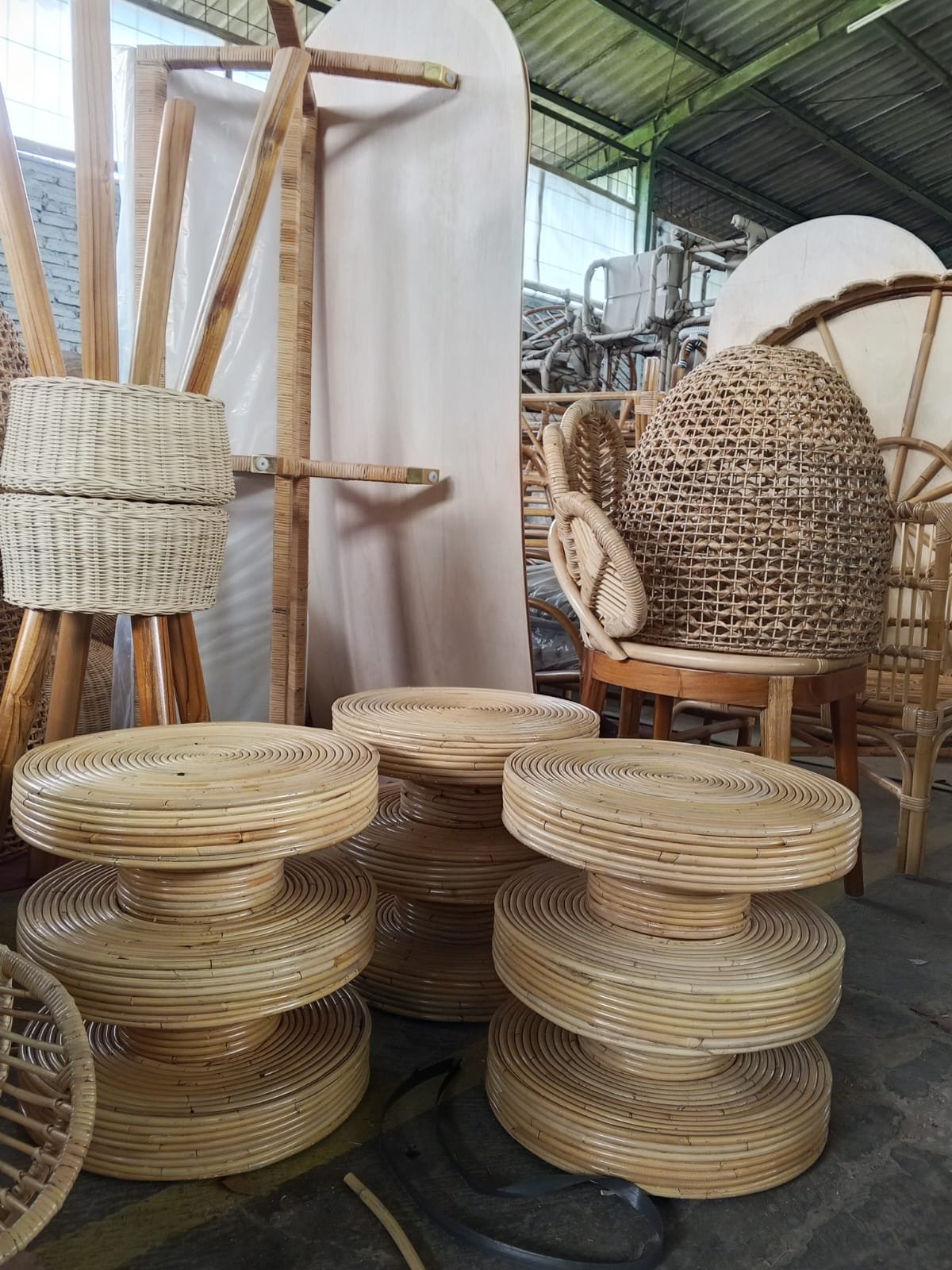
In today’s global economy, responsible consumption has become an important goal for both producers and consumers. As environmental awareness grows, people are becoming more conscious about the products they purchase and how those products affect the environment. The furniture industry plays a significant role in this movement, and rattan furniture manufacturing has emerged as an example of how businesses can support responsible consumption through sustainable materials, durable products, and environmentally friendly production practices.
The Role of Sustainable Materials
One of the main ways rattan furniture manufacturing supports responsible consumption is through the use of sustainable materials. Rattan is a natural climbing palm that grows rapidly in tropical forests. Unlike many hardwood trees that require decades to mature, rattan can be harvested within a much shorter time.
This fast growth cycle makes rattan a renewable resource that can be harvested responsibly without causing long-term environmental damage. By choosing furniture made from renewable materials like rattan, consumers contribute to more sustainable patterns of production and consumption.
Promoting Long-Lasting Furniture
Responsible consumption is not only about using sustainable materials but also about producing durable products that last for many years. Rattan furniture is known for its strength and flexibility, which allow it to maintain its structure and function over long periods when properly crafted and maintained.
High-quality rattan furniture reduces the need for frequent replacement. When consumers invest in durable furniture, they help reduce waste and limit the excessive consumption of raw materials.
Encouraging Environmentally Friendly Production
Rattan furniture manufacturing often uses production methods that are less energy-intensive compared to many other types of furniture manufacturing. The natural flexibility of rattan allows it to be shaped using heat or steam rather than heavy industrial machinery.
In addition, many stages of production involve traditional craftsmanship such as hand weaving and manual assembly. These techniques require less energy and produce fewer industrial emissions, supporting environmentally responsible manufacturing practices.
Many manufacturers also adopt eco-friendly finishing techniques, including water-based coatings and natural stains, which help reduce harmful chemical usage.
Supporting Ethical and Local Production
Responsible consumption also includes supporting ethical production systems that benefit local communities. Rattan furniture manufacturing provides employment opportunities for skilled artisans, harvesters, and workers in regions where rattan grows naturally.
These industries often rely on traditional craftsmanship that has been passed down through generations. By supporting rattan furniture products, consumers contribute to the preservation of cultural heritage while helping sustain local economies.
Raising Consumer Awareness
The growing popularity of sustainable furniture has helped increase awareness among consumers about the importance of responsible consumption. As people learn more about the environmental benefits of natural materials such as rattan, they become more motivated to choose products that align with sustainable values.
Manufacturers also play a role by promoting transparency in their production processes and highlighting the sustainable aspects of their products.
Supporting Sustainable Interior Design
Rattan furniture also supports responsible consumption in interior design. Its natural texture, warm color, and timeless style allow it to remain relevant across various design trends. This versatility means that rattan furniture does not easily go out of style, allowing consumers to use it for many years without needing frequent replacements.
As a result, rattan furniture fits well within sustainable interior design concepts that prioritize long-term use and environmentally friendly materials.
Conclusion
Rattan furniture manufacturing plays an important role in supporting responsible consumption by promoting sustainable materials, durable products, and environmentally friendly production methods. Through responsible harvesting, skilled craftsmanship, and eco-conscious design, the industry contributes to a more balanced relationship between production and environmental preservation.
As consumers continue to prioritize sustainability in their purchasing decisions, rattan furniture will remain a valuable option for those seeking products that combine quality, style, and environmental responsibility.