


The rattan furniture manufacturing industry has long been associated with traditional craftsmanship and natural aesthetics. However, in recent years, the industry has undergone significant transformation as designers and manufacturers explore new ideas and creative approaches. Innovative designs are emerging that combine the timeless beauty of rattan with modern styles, advanced production techniques, and changing consumer preferences. As a result, rattan furniture is becoming an important element in contemporary interior and furniture design.
Blending Traditional Craft with Modern Aesthetics
One of the most notable innovations in rattan furniture design is the blending of traditional craftsmanship with modern aesthetics. While the basic weaving and shaping techniques remain rooted in tradition, designers are introducing new forms, patterns, and structures that appeal to modern consumers.
Clean lines, minimalist shapes, and geometric patterns are increasingly common in modern rattan furniture. These designs allow rattan to fit seamlessly into contemporary interior styles such as minimalist, Scandinavian, and modern tropical design.
Combining Rattan with Other Materials
Another innovative trend in the rattan furniture manufacturing industry is the combination of rattan with other materials. Designers are experimenting with materials such as metal, glass, wood, and fabric to create furniture that is both stylish and functional.
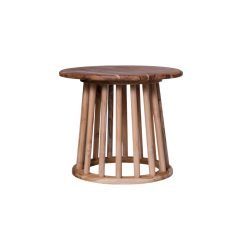
For example, metal frames can provide additional structural strength while maintaining a sleek modern appearance. Glass surfaces can be paired with rattan table bases to create elegant coffee tables or dining tables. Fabric cushions and upholstery also enhance comfort while adding color and texture to rattan furniture designs.
This combination of materials allows manufacturers to create furniture that is more versatile and suitable for a wide range of interior environments.
Creative Lighting and Decorative Pieces
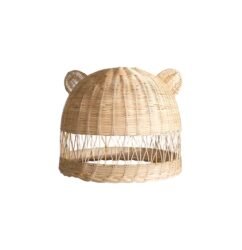
Innovation in rattan design is not limited to traditional furniture items. Many manufacturers are now producing decorative and lighting products made from rattan. Lanterns, pendant lights, and decorative wall pieces have become popular because of their natural texture and the warm lighting effects they create.
When light passes through woven rattan patterns, it produces unique shadows and visual effects that enhance the atmosphere of a room. This has made rattan lighting products a favorite choice for interior designers looking to create cozy and artistic spaces.
Modular and Multi-Functional Furniture
Modern lifestyles often require furniture that is flexible and space-efficient. In response to this demand, rattan furniture manufacturers are developing modular and multi-functional designs.
Modular rattan sofas, adjustable chairs, and stackable furniture pieces allow users to rearrange and customize their living spaces easily. Multi-functional furniture, such as storage benches or convertible tables, also adds practicality without sacrificing style.
These innovative solutions make rattan furniture suitable for both small urban apartments and larger residential spaces.
Sustainable Design Innovation
Sustainability continues to play a major role in the evolution of rattan furniture design. As consumers become more environmentally conscious, designers are focusing on creating furniture that minimizes environmental impact.
Rattan is already considered a sustainable material because it grows quickly and can be harvested responsibly. By using eco-friendly finishes, reducing waste, and optimizing production methods, manufacturers are further enhancing the sustainability of their designs.
This approach allows rattan furniture to meet the growing global demand for environmentally responsible products.
Digital Design and Manufacturing Technology
Advancements in digital design tools have also influenced innovation in the rattan furniture industry. Computer-aided design (CAD) software allows designers to experiment with complex shapes, structures, and patterns before production begins.
These technologies help manufacturers improve precision, reduce material waste, and develop new product concepts more efficiently. By combining digital design with traditional craftsmanship, manufacturers can create highly creative and refined furniture pieces.
Conclusion
Innovative designs in the rattan furniture manufacturing industry demonstrate how tradition and modern creativity can work together to shape the future of furniture design. By blending traditional weaving techniques with modern aesthetics, combining materials, and adopting new technologies, manufacturers continue to expand the possibilities of rattan furniture.
As demand for sustainable, stylish, and functional furniture grows around the world, the rattan furniture industry will remain a dynamic and innovative sector within the global furniture market.