




Rattan furniture has become a popular choice in homes, hotels, and commercial spaces around the world. Known for its natural beauty, flexibility, and durability, rattan is widely used in the furniture industry. However, behind every piece of rattan furniture lies a fascinating journey that begins in tropical forests and ends in beautifully crafted products. Understanding the journey of natural rattan in furniture manufacturing highlights the combination of natural resources, skilled craftsmanship, and modern production techniques.
Harvesting Rattan from Tropical Forests
The journey of rattan begins in tropical forests, particularly in regions of Southeast Asia where rattan plants grow naturally. Rattan is a type of climbing palm that thrives in warm and humid environments. Unlike many hardwood trees that take decades to mature, rattan grows relatively quickly and can be harvested within a few years.
Harvesting rattan is usually done carefully to maintain the balance of forest ecosystems. Local harvesters cut mature rattan canes while allowing younger plants to continue growing. This sustainable harvesting practice helps preserve natural forests while ensuring a continuous supply of raw materials for the furniture industry.
Initial Processing and Cleaning
After harvesting, the raw rattan canes are transported to processing facilities or workshops. At this stage, the outer skin is cleaned to remove dirt, thorns, and other impurities. The canes are then sorted based on size, strength, and flexibility.
Proper sorting is important because different parts of the rattan plant are used for different purposes. Thicker rattan poles are commonly used to create furniture frames, while thinner strands are used for weaving decorative patterns.
Drying and Treatment
Before rattan can be transformed into furniture, it must undergo a drying and treatment process. Drying helps reduce moisture content in the material, which prevents cracking, warping, or mold growth in the future.
Manufacturers often use natural sun drying or controlled drying systems to achieve the ideal moisture level. The rattan may also be treated to protect it from insects and environmental damage. These treatments help ensure the long-term durability of the furniture.
Shaping and Frame Construction
Once the rattan is properly prepared, craftsmen begin shaping the material into furniture frames. One of the unique qualities of rattan is its flexibility. When heated or steamed, the material becomes soft enough to bend into various shapes.
Skilled artisans carefully bend the rattan into curves and structural forms required for different furniture designs. These frames serve as the foundation for chairs, tables, sofas, and other furniture pieces.
Weaving and Decorative Craftsmanship
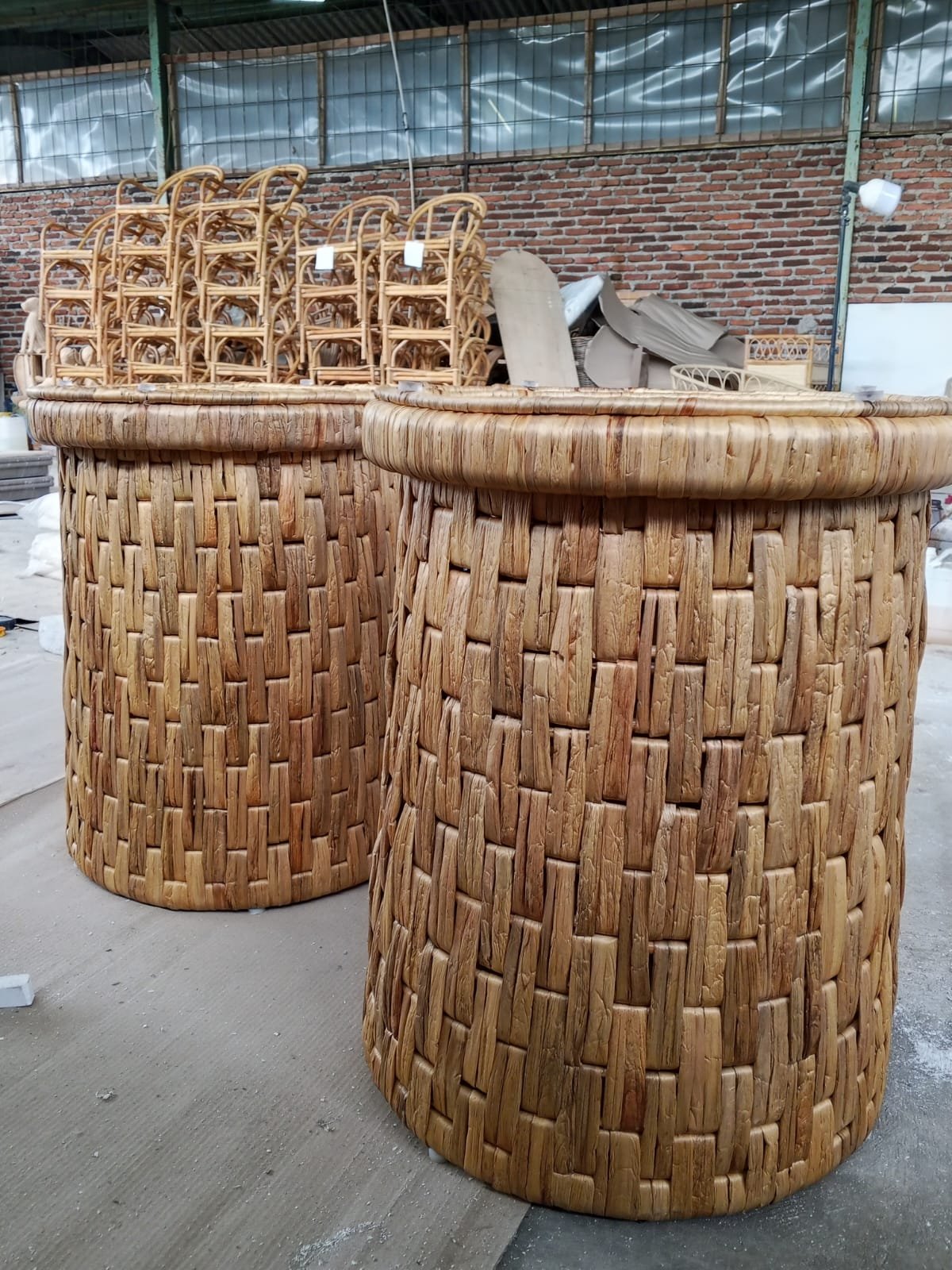
After the frame is completed, artisans begin the weaving process. Thin strands of rattan are woven around the frame to create intricate patterns. This weaving adds both structural strength and visual beauty to the furniture.
Hand weaving requires patience, skill, and precision. Each pattern must be carefully constructed to ensure the furniture remains durable while maintaining its decorative appeal.
Finishing and Quality Control
The final stage of the rattan furniture manufacturing journey is finishing. During this process, craftsmen smooth the surface, refine the details, and apply protective coatings. Finishes may include natural stains, varnishes, or eco-friendly coatings that enhance the color and texture of the rattan.
Quality control inspections are then conducted to ensure that the furniture meets design and durability standards. Only products that pass these inspections are prepared for sale or export.
From Workshop to Global Markets
After production is complete, rattan furniture is distributed to local retailers or exported to international markets. Many countries around the world appreciate rattan furniture for its natural appearance, sustainability, and versatility in interior design.
Rattan furniture can now be found in homes, hotels, restaurants, and resorts across the globe, demonstrating the international appeal of this natural material.
Conclusion
The journey of natural rattan in furniture manufacturing is a remarkable process that transforms a simple plant into beautiful and functional furniture. From sustainable harvesting in tropical forests to skilled craftsmanship in workshops, every step contributes to the creation of high-quality products.
By combining natural resources, traditional skills, and modern manufacturing techniques, rattan furniture manufacturers continue to produce furniture that is both environmentally responsible and aesthetically appealing.