

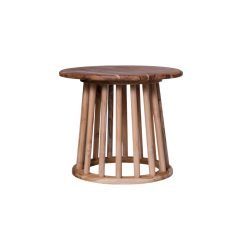
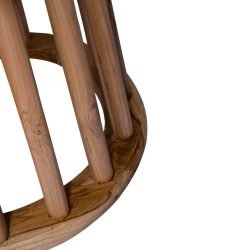


Sustainable interior design has become an important trend in modern architecture and home décor. Designers and homeowners are increasingly looking for materials and products that minimize environmental impact while maintaining style and functionality. One material that plays a significant role in this movement is rattan. Through responsible production and natural characteristics, rattan furniture manufacturing strongly supports the principles of sustainable interior design.
The Environmental Benefits of Rattan
Rattan is a natural material derived from climbing palm plants that grow in tropical forests. One of the main reasons it supports sustainable design is its rapid growth cycle. Unlike hardwood trees that may take decades to mature, rattan can grow and regenerate much faster, making it a renewable resource.
In addition, harvesting rattan often supports forest conservation. Because rattan grows within forest ecosystems, maintaining healthy forests becomes essential for sustainable rattan production. This encourages responsible land management and reduces the need for deforestation.
Energy-Efficient Manufacturing Process
Rattan furniture manufacturing generally requires less energy compared to many other types of furniture production. The natural flexibility of rattan allows it to be bent and shaped with heat or steam rather than heavy industrial machinery.
Many parts of the manufacturing process, such as weaving and detailing, are still completed by skilled artisans. This reduces the reliance on energy-intensive machines while preserving traditional craftsmanship.
Long-Lasting and Durable Furniture
Sustainability is not only about the materials used but also about product longevity. Rattan furniture is known for its strength and durability when properly processed and maintained. High-quality rattan furniture can last for many years, reducing the need for frequent replacement.
This durability contributes to sustainable interior design by minimizing waste and encouraging long-term use of furniture products.
Natural Aesthetic for Eco-Friendly Spaces
Rattan furniture also supports sustainable interior design by bringing natural aesthetics into living spaces. Its warm tones and organic texture create a connection between indoor environments and nature.
Interior designers often incorporate rattan furniture into eco-friendly spaces because it complements other sustainable materials such as wood, bamboo, linen, and cotton. The result is a harmonious and calming environment that reflects natural beauty.
Supporting Local Communities and Craftsmanship
Another important aspect of sustainable design is social sustainability. Rattan furniture manufacturing often provides employment opportunities for local artisans in regions where rattan is abundant.
By supporting these traditional crafts, manufacturers help preserve cultural heritage while strengthening local economies. This human element adds meaningful value to the furniture beyond its physical function.
Versatility in Sustainable Interior Design
Rattan furniture is extremely versatile and can be used in many areas of interior design. It is commonly found in living rooms, dining spaces, bedrooms, and outdoor areas. Designers also use rattan for decorative lighting, storage units, and accent furniture.
Its lightweight structure and adaptable design make it easy to incorporate into various interior styles, including minimalist, tropical, bohemian, and Scandinavian-inspired spaces.
Conclusion
Rattan furniture manufacturing plays an important role in supporting sustainable interior design. Its renewable nature, energy-efficient production process, durability, and natural aesthetic make it an ideal material for eco-friendly living spaces.
As the demand for sustainable homes continues to grow, rattan furniture will remain a valuable choice for designers and homeowners who seek both environmental responsibility and timeless style.