


In recent years, handmade rattan lanterns have gained remarkable popularity in contemporary interior design. Once considered traditional decorative items, these lanterns are now widely appreciated for their natural beauty, artisanal craftsmanship, and sustainable appeal. As modern homeowners and designers seek unique and eco-friendly décor, handmade rattan lanterns have emerged as a stylish lighting solution that blends tradition with modern aesthetics.
A Return to Natural Materials
One of the main reasons for the growing popularity of rattan lanterns is the increasing preference for natural materials in interior design. Rattan, a flexible and durable climbing palm found in tropical regions, offers an organic texture that complements modern living spaces. Its warm tones and natural appearance make it a perfect match for interiors that emphasize comfort, simplicity, and sustainability.
As people move away from synthetic materials and mass-produced décor, rattan lanterns provide an authentic alternative that adds a sense of warmth and nature to indoor environments.
The Beauty of Handcrafted Design
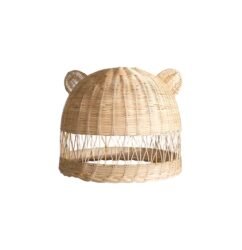
Handmade rattan lanterns are highly valued for their craftsmanship. Skilled artisans carefully weave rattan strands into intricate patterns and shapes, creating lanterns that are both functional and decorative. Because each piece is handcrafted, no two lanterns are exactly alike, which adds a distinctive character to every design.
The woven structure also plays an important role in lighting effects. When illuminated, rattan lanterns cast soft shadows and warm glows across the room, creating a relaxing and inviting atmosphere that enhances the overall interior design.
Perfect for Modern Interior Styles
Rattan lanterns have proven to be incredibly versatile in contemporary interiors. They fit naturally into a variety of design styles, including minimalist, Scandinavian, bohemian, coastal, and tropical themes. Their lightweight structure and neutral color palette allow them to blend seamlessly with other natural elements such as wood, linen, and stone.
Interior designers often use rattan lanterns as pendant lights, floor lanterns, or table lamps to create focal points in living rooms, dining areas, bedrooms, and outdoor spaces. Their ability to combine practicality with visual appeal makes them a popular choice in modern homes as well as commercial spaces like cafés, resorts, and boutique hotels.
Sustainability and Eco-Friendly Living
Sustainability is another key factor driving the rise of handmade rattan lanterns. Rattan is a renewable material that grows quickly and can be harvested with minimal environmental impact. This makes it an environmentally responsible alternative to many conventional materials used in lighting products.
In addition, supporting handmade rattan lanterns helps sustain traditional craftsmanship and provides economic opportunities for artisan communities that specialize in rattan weaving.
Global Demand for Artisanal Décor
The global home décor market is experiencing a growing appreciation for artisanal and handmade products. Consumers increasingly value items that tell a story and reflect cultural craftsmanship. Handmade rattan lanterns fulfill this demand by offering products that combine tradition, creativity, and sustainability.
As a result, these lanterns are now widely exported and used in interior design projects around the world, from modern urban apartments to luxury hospitality spaces.
Conclusion
The rise of handmade rattan lanterns in contemporary interior design reflects a broader shift toward sustainability, craftsmanship, and natural aesthetics. With their unique textures, warm lighting effects, and eco-friendly materials, these lanterns offer more than just illumination—they create atmosphere and character within a space. As interior design continues to evolve, handmade rattan lanterns are likely to remain a timeless and influential element in modern décor.