
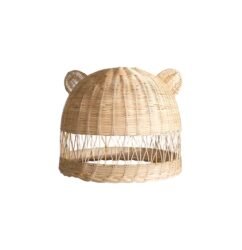




The rattan lantern manufacturing industry has evolved significantly over the years, blending traditional craftsmanship with modern production methods. Once limited to small local workshops, the industry has now expanded into a global market driven by the growing demand for sustainable, handcrafted home décor. Today, modern rattan lantern manufacturing combines skilled artisanship, innovative design, and efficient production systems to create lighting products that are both functional and visually appealing.
The Growing Demand for Rattan Lanterns
Rattan lanterns have become increasingly popular in the global home décor market. Their natural appearance, lightweight structure, and warm lighting effect make them ideal for contemporary interiors. Many homeowners, interior designers, and hospitality businesses prefer rattan lanterns because they bring a sense of warmth and authenticity to living spaces. The rising interest in eco-friendly materials has also contributed to the increased demand for rattan-based products.
Raw Material Selection and Preparation
The manufacturing process begins with the selection of high-quality rattan. Rattan is a flexible climbing palm commonly found in tropical regions. Manufacturers carefully choose strong and durable rattan strands to ensure the final product is both sturdy and aesthetically pleasing.
After harvesting, the rattan undergoes several preparation steps. It is cleaned, peeled, and cut into suitable sizes. In many cases, the material is soaked or steamed to improve its flexibility, making it easier for artisans to shape and weave the lantern frames.
The Role of Skilled Artisans
Despite advancements in technology, skilled artisans remain at the heart of rattan lantern manufacturing. These craftsmen use traditional weaving techniques to create intricate patterns that define the lantern’s design. Their expertise ensures that each lantern maintains both structural stability and visual elegance.
Artisans carefully weave the rattan around frames to form various shapes such as spheres, cylinders, cones, and geometric structures. This handmade process allows for creativity and uniqueness in every piece.
Integration of Modern Technology
Modern manufacturing facilities often incorporate technology to improve efficiency and consistency. Computer-aided design (CAD) software helps designers develop new lantern shapes and patterns before production begins. Machinery may also be used for precise cutting, bending, or frame construction.
However, the weaving process usually remains manual, preserving the handcrafted quality that customers value. This balance between technology and craftsmanship enables manufacturers to produce large quantities while maintaining artistic authenticity.
Finishing and Quality Control
Once the lantern structure is complete, the product moves to the finishing stage. Manufacturers apply protective coatings such as natural oils or eco-friendly varnishes to enhance durability and preserve the natural color of the rattan. Some lanterns are also combined with metal frames, glass components, or modern LED lighting systems.
Quality control is an essential step in the manufacturing process. Each lantern is inspected for weaving consistency, structural strength, and surface smoothness before being packaged and prepared for distribution.
Global Market Opportunities
Today, rattan lanterns are exported to many international markets, including North America, Europe, and Asia. The increasing demand for sustainable home décor has positioned rattan lanterns as valuable export products. Countries with strong rattan industries, such as Indonesia and Vietnam, play a major role in supplying handcrafted lanterns to the global market.
Manufacturers continue to innovate by developing new designs, improving production techniques, and adopting sustainable practices to remain competitive in the international marketplace.
Conclusion
The modern rattan lantern manufacturing industry represents a successful combination of tradition and innovation. By preserving artisanal weaving techniques while embracing modern technology and sustainable production methods, manufacturers are able to create lighting products that appeal to contemporary consumers worldwide. As demand for eco-friendly and handcrafted décor continues to grow, the rattan lantern industry is poised for continued expansion in the global market.