

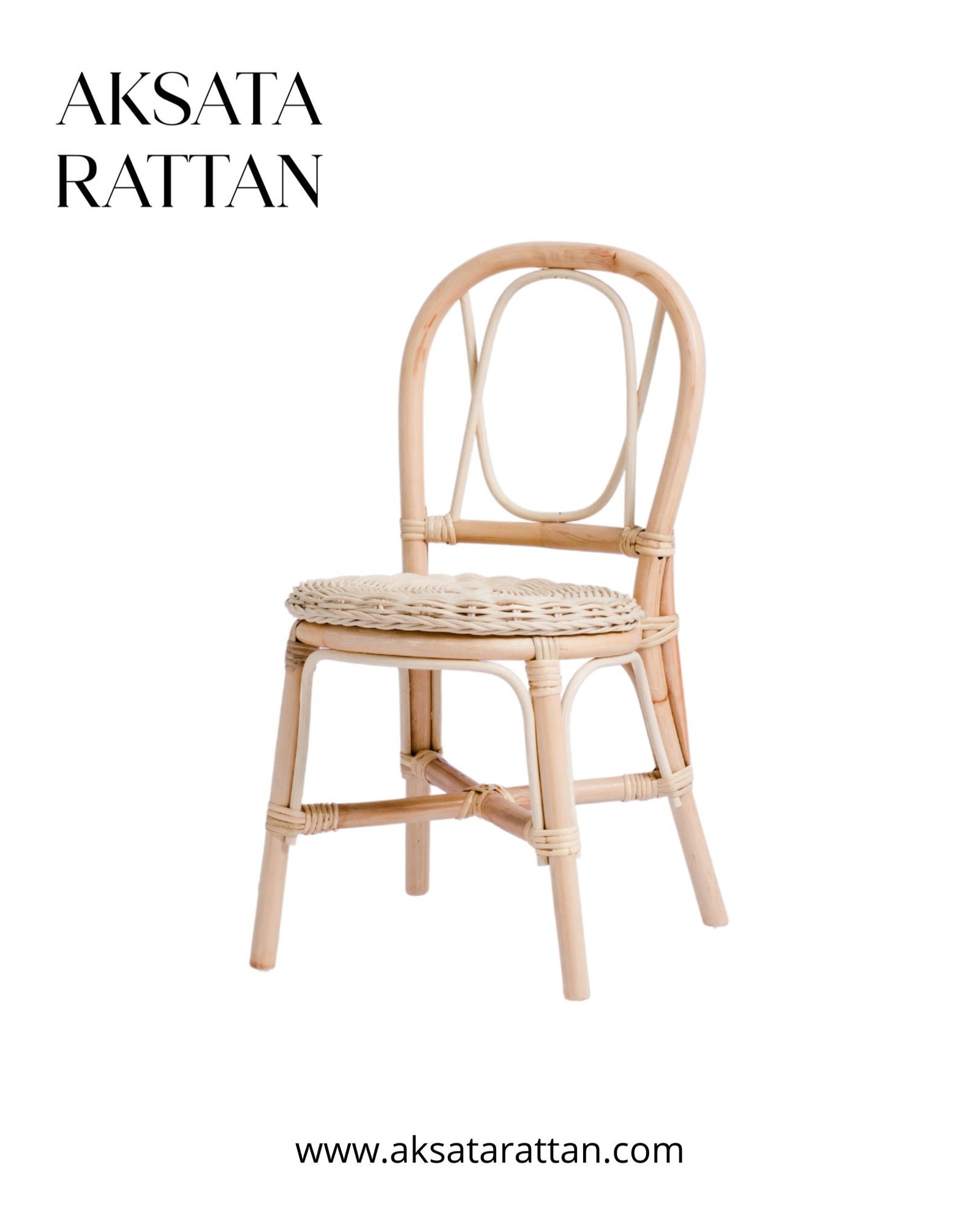
As awareness of environmental sustainability and child safety continues to grow, many parents are becoming more selective when choosing toys for their children. The materials used in toys play a crucial role in ensuring both safety and environmental responsibility. Among the many natural materials used in modern toy production, rattan has emerged as a highly suitable option. Known for its durability, flexibility, and eco-friendly properties, rattan is increasingly being used to create children’s toys that are both safe and sustainable.
Rattan toys offer a natural alternative to conventional plastic products while supporting healthier play environments for children.
A Natural and Non-Toxic Material
One of the most important factors parents consider when selecting toys is safety. Many plastic toys may contain chemicals or synthetic components that raise concerns about potential health risks.
Rattan, however, is a natural material derived from climbing palm plants that grow in tropical forests. Because it is harvested directly from nature, rattan can be processed with minimal chemical treatment. When properly crafted and finished with non-toxic coatings, rattan toys provide a safer option for children.
The natural composition of rattan helps reduce exposure to harmful substances, making it a preferred material for parents who prioritize safe and healthy products.
Lightweight and Durable
Another reason rattan is suitable for children’s toys is its unique physical properties. Rattan is both lightweight and strong, which makes it ideal for items designed for young children.
Lightweight toys are easier for children to handle, carry, and move during play. At the same time, the durability of rattan ensures that toys can withstand regular use without breaking easily.
This combination of strength and lightness reduces the risk of injury while allowing children to interact with the toys comfortably and safely.
Smooth and Flexible Structure
Rattan has a naturally flexible structure that makes it easy for artisans to shape and weave into various forms. Skilled craftsmen carefully process the material to create smooth surfaces and rounded edges, which are important safety features for children’s toys.
Because rattan can be bent and woven without becoming brittle, it allows manufacturers to design toys with gentle curves and sturdy frames. These characteristics help minimize sharp edges or fragile parts that could pose risks during play.
Proper craftsmanship ensures that rattan toys remain safe, comfortable, and durable for everyday use.
Environmentally Friendly Production
In addition to safety, sustainability has become a major concern in the toy industry. Plastic toys contribute significantly to environmental pollution, as they often take many years to decompose and may generate large amounts of waste.
Rattan offers a more sustainable alternative because it is a renewable natural resource. The plant grows quickly in tropical forests and can be harvested without causing major damage to surrounding ecosystems when managed responsibly.
Furthermore, many rattan toys are produced using traditional handcrafting methods rather than energy-intensive industrial processes. This helps reduce the overall environmental footprint of toy manufacturing.
Biodegradable and Low Waste
Another environmental advantage of rattan is its biodegradability. Unlike plastic toys, which can remain in landfills for decades, rattan products naturally decompose over time.
This makes rattan toys a more responsible choice for families who want to reduce waste and support environmentally friendly lifestyles. By choosing biodegradable materials, consumers can help reduce long-term environmental pollution.
In addition, the production process for rattan toys often generates minimal waste, as leftover materials can be reused to create smaller items or decorative pieces.
Supporting Traditional Craftsmanship
Many rattan toys are handmade by skilled artisans using traditional weaving techniques. This not only ensures high-quality craftsmanship but also supports local communities where rattan crafting is part of cultural heritage.
By purchasing rattan toys, consumers contribute to the preservation of traditional skills and provide economic opportunities for artisans. This social aspect adds additional value to rattan toys beyond their environmental and safety benefits.
Handcrafted toys also tend to have unique characteristics, making each piece special and distinctive.
Encouraging Natural and Creative Play
Toys made from natural materials often encourage more imaginative and creative play. Rattan toys typically feature simple designs that allow children to explore and invent their own games and stories.
Because they do not rely on electronic components or excessive visual stimulation, rattan toys help children focus on hands-on interaction and creativity. This type of play supports cognitive development and encourages independent thinking.
Parents who prefer minimalist or Montessori-inspired play environments often choose rattan toys because they align with these educational philosophies.
Conclusion
Rattan is an excellent material for children’s toys because it combines safety, durability, and environmental sustainability. Its natural composition, lightweight structure, and smooth finish make it suitable for safe play, while its renewable and biodegradable properties support responsible manufacturing practices.
As more families seek alternatives to plastic toys, rattan products offer a meaningful solution that benefits both children and the environment. By choosing toys made from rattan, parents can support safer play experiences, sustainable living, and the preservation of traditional craftsmanship.