


the children’s furniture manufacturing industry has experienced a noticeable shift toward more natural, sustainable, and aesthetically pleasing products. Parents and designers are increasingly seeking alternatives to plastic toys and furniture that are not only safe for children but also environmentally friendly. As a result, rattan toys have emerged as a growing trend within the children’s furniture and décor market.
Rattan toys combine traditional craftsmanship with modern design, offering products that are both functional and visually appealing. Their natural materials, durability, and eco-friendly qualities make them an attractive option for families who prioritize sustainability and quality in children’s environments.
The Appeal of Natural Materials for Children
One of the main reasons rattan toys are becoming more popular is the increasing awareness among parents about the materials used in children’s products. Many conventional toys are made from plastic, which may contain chemicals and contributes to environmental waste.
Rattan, on the other hand, is a natural material derived from climbing palm plants that grow in tropical forests. It is lightweight, flexible, and durable, making it suitable for creating a variety of children’s toys and furniture items. Because rattan is a renewable resource, it aligns with the growing preference for sustainable and eco-conscious products.
Parents often appreciate rattan toys because they provide a natural alternative that feels safer and more environmentally responsible.
Unique and Aesthetic Design
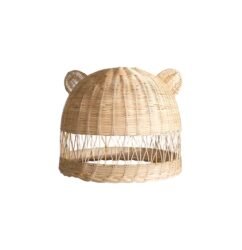
Rattan toys stand out for their unique handcrafted designs. Skilled artisans weave rattan into various shapes and forms, creating toys that are both functional and decorative. Common examples include rattan doll cradles, toy baskets, miniature chairs, toy kitchens, and rocking toys.
These products often feature soft natural colors and elegant woven textures, which blend beautifully with modern children’s rooms and nursery designs. Many parents prefer toys that complement the overall aesthetic of their home rather than bright plastic items that may appear visually overwhelming.
As a result, rattan toys are often used not only for play but also as decorative elements within children’s spaces.
Supporting Montessori and Educational Play
Another factor contributing to the popularity of rattan toys is their alignment with educational play philosophies such as Montessori learning. Montessori-inspired environments emphasize simplicity, natural materials, and child-friendly furniture that encourages independent exploration.
Rattan toys fit well within this approach because they are simple, tactile, and easy for children to handle. Their lightweight structure allows children to move and interact with them easily, promoting creativity and imaginative play.
Many Montessori-inspired playrooms include rattan baskets for toy storage, small rattan chairs, and woven play accessories that encourage organized and meaningful play experiences.
Sustainability and Environmental Benefits
The growing trend of rattan toys also reflects the broader movement toward sustainable manufacturing. Compared to plastic toys, rattan products have a smaller environmental footprint. Rattan grows relatively quickly and can be harvested without causing significant damage to forests when managed responsibly.
In addition, many rattan toys are produced using traditional handcrafting techniques rather than energy-intensive industrial processes. This not only reduces environmental impact but also supports local artisan communities.
For environmentally conscious consumers, choosing rattan toys represents a step toward reducing waste and supporting sustainable production practices.
Expanding Market Opportunities
The increasing demand for eco-friendly children’s products has opened new market opportunities for manufacturers in the rattan furniture industry. Many companies are expanding their product lines to include children’s furniture and toys made from rattan.
These products are especially popular in international markets where consumers value natural home décor and sustainable living. Online marketplaces and social media platforms have also played a role in promoting rattan toys, making them more visible to global audiences.
As a result, rattan toy production is becoming an important niche within the broader children’s furniture manufacturing sector.
Balancing Safety and Durability
When producing toys for children, safety is a critical factor. Rattan toys are generally lightweight and durable, reducing the risk of injury compared to heavier materials. Manufacturers often smooth and finish the rattan carefully to ensure that there are no sharp edges or rough surfaces.
In addition, many producers apply non-toxic finishes to maintain safety standards while preserving the natural appearance of the material. These considerations make rattan toys suitable for young children when properly designed and manufactured.
Conclusion
The growing trend of rattan toys in the children’s furniture manufacturing industry reflects a broader shift toward sustainable, natural, and aesthetically pleasing products. With their eco-friendly materials, handcrafted quality, and compatibility with modern interior design, rattan toys offer a meaningful alternative to conventional plastic toys.
As parents continue to prioritize safety, sustainability, and educational play environments, the demand for rattan toys is likely to increase. This trend not only benefits families but also supports artisans and manufacturers who are committed to environmentally responsible production and timeless craftsmanship.