

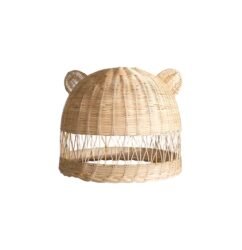



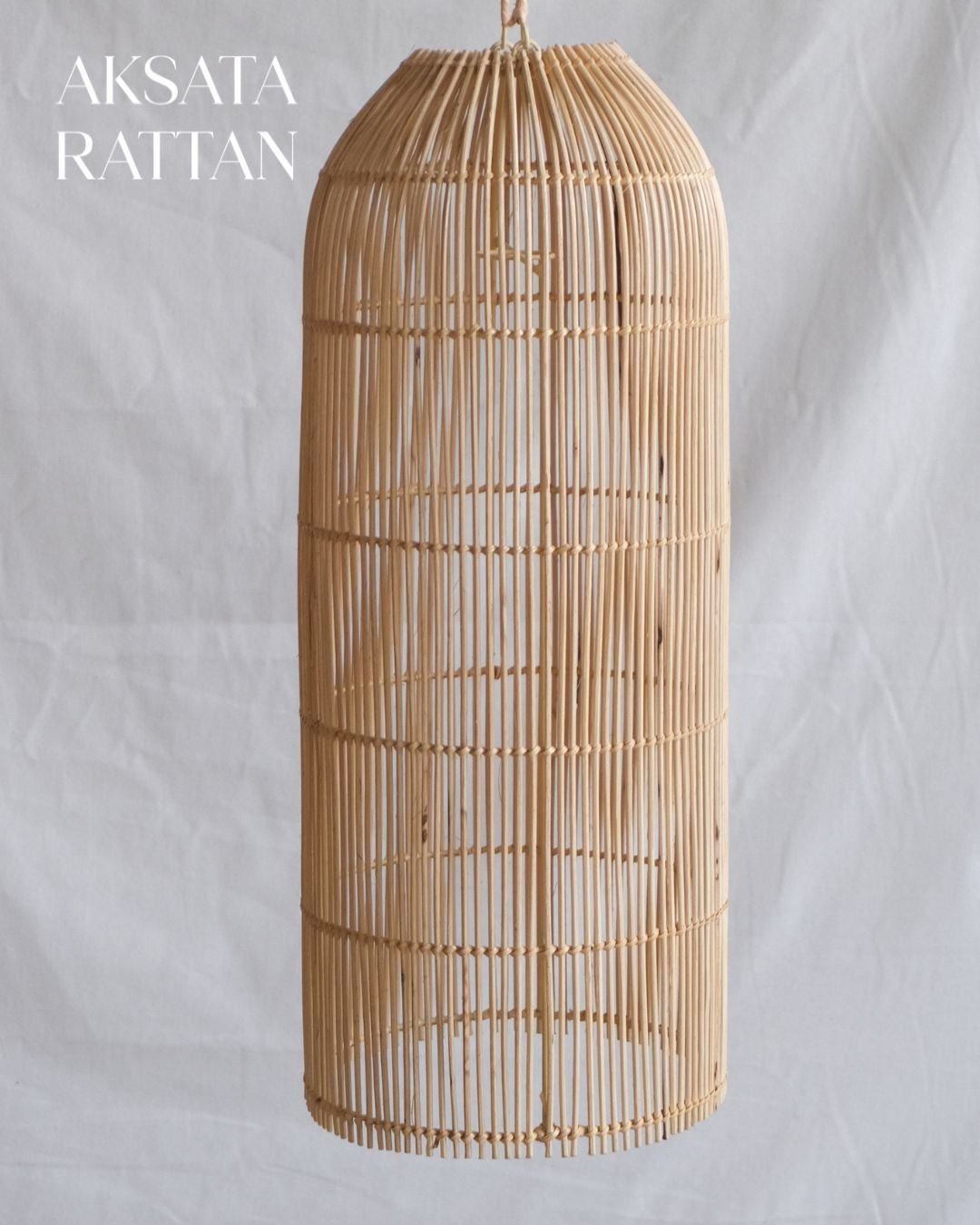
Handmade rattan lantern furniture represents a unique blend of artistry, tradition, and functionality. These decorative lighting pieces are not only designed to illuminate interior spaces but also to add natural beauty and character to home décor. Behind every handmade rattan lantern lies a detailed craftsmanship process that reflects the skill, patience, and creativity of experienced artisans.
As global interest in natural materials and handmade products continues to grow, the craftsmanship behind rattan lantern furniture has gained greater recognition in the international furniture and home décor market.
The Importance of Skilled Artisans
At the heart of handmade rattan lantern production are skilled craftsmen who possess years of experience working with natural materials. Crafting rattan lanterns requires precision and a deep understanding of how rattan behaves during the shaping and weaving processes.
Artisans must carefully select and prepare rattan strips before they can begin weaving them into lantern structures. Each step requires careful attention to detail to ensure that the final product is both visually appealing and structurally stable.
Because of the complexity of the weaving process, mastering this craft often takes many years of practice and dedication.
Preparing the Rattan Material
The production of handmade rattan lantern furniture begins with the preparation of raw rattan. The rattan must first be cleaned, dried, and cut into appropriate sizes for weaving.
Proper preparation is essential to ensure that the rattan becomes flexible and easy to shape without breaking. Craftsmen often soak or steam the rattan to make it more pliable, allowing them to bend it into curved lantern frames and intricate patterns.
This careful preparation process ensures that the material can be shaped smoothly while maintaining its natural strength.
The Art of Weaving
Weaving is the most important stage in the creation of handmade rattan lantern furniture. During this process, artisans carefully interlace thin strips of rattan around a structural frame to create the lantern’s distinctive shape and pattern.
Different weaving techniques can produce various decorative patterns, ranging from simple geometric designs to more complex artistic structures. The spacing between the woven rattan strips is also carefully controlled to allow light to pass through in a balanced and aesthetically pleasing way.
The weaving process requires patience and accuracy, as even small mistakes can affect the final appearance of the lantern.
Creating Unique Lighting Effects
One of the most appealing features of rattan lantern furniture is the lighting effect it produces. The woven structure allows light to filter through small openings in the rattan pattern, creating soft shadows and warm illumination.
These lighting effects add depth and atmosphere to interior spaces, making the lantern both a functional lighting source and a decorative design element.
Artisans carefully design the weaving patterns to achieve the desired balance between light distribution and decorative beauty.
Finishing and Quality Control
After the weaving process is completed, the lantern undergoes several finishing steps. Craftsmen carefully inspect the structure to ensure that all rattan strips are securely woven and that the lantern maintains a stable shape.
The lantern surface may then be sanded and treated with protective coatings to enhance durability and preserve the natural color of the rattan. Some lanterns may also receive additional finishing touches, such as natural stains or protective varnishes.
These finishing steps ensure that the final product meets quality standards while maintaining its natural aesthetic.
Preserving Traditional Craftsmanship
Handmade rattan lantern furniture represents more than just a decorative product; it also reflects cultural traditions and artisanal heritage. In many regions where rattan resources are abundant, weaving techniques have been passed down through generations.
By continuing to produce handmade rattan lanterns, artisans help preserve these traditional skills while adapting them to modern interior design trends.
This preservation of craftsmanship adds cultural value to each lantern, making it not only a functional item but also a piece of art.
Conclusion
The craftsmanship behind handmade rattan lantern furniture highlights the dedication and skill of artisans who transform natural materials into beautiful lighting pieces. From preparing the rattan and weaving intricate patterns to applying finishing touches, every stage of the process reflects careful attention to detail.
As consumers increasingly appreciate natural materials and handcrafted products, the artistry behind rattan lantern furniture continues to gain global recognition. By preserving traditional techniques while embracing modern design concepts, handmade rattan lanterns remain a timeless and meaningful addition to contemporary interior spaces.