

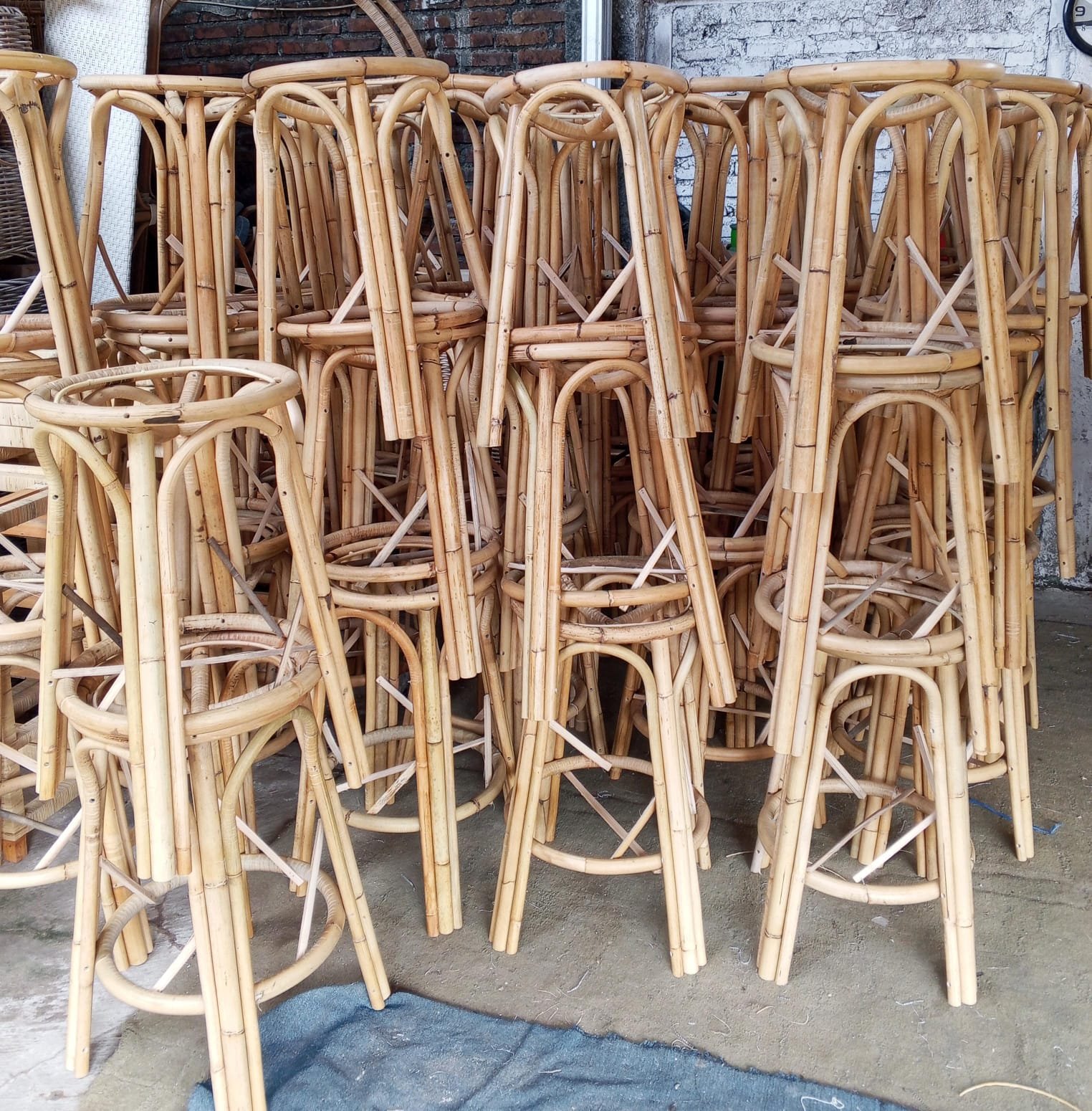
Consumer preferences play a crucial role in shaping the direction of the furniture industry. As lifestyles, design trends, and environmental awareness continue to evolve, manufacturers must adapt their production strategies to meet changing customer expectations. In the rattan furniture manufacturing industry, consumer preferences strongly influence design choices, material usage, production methods, and overall product development.
Understanding these preferences allows manufacturers to create furniture that not only meets market demand but also remains competitive in global markets.
Growing Demand for Sustainable Products
One of the most significant shifts in consumer behavior is the increasing preference for environmentally friendly products. Many consumers are now more aware of the environmental impact of their purchases and prefer furniture made from renewable and sustainable materials.
Rattan furniture fits well within this trend because rattan is a natural material that grows quickly and can be harvested responsibly. Compared to many hardwood materials, rattan has a lower environmental impact, making it attractive to eco-conscious consumers.
As a result, manufacturers are placing greater emphasis on sustainable production practices and environmentally friendly finishing materials to align with consumer expectations.
Preference for Natural Aesthetics
Modern consumers often prefer interior spaces that feel natural, warm, and relaxing. Natural materials such as wood, bamboo, and rattan are increasingly popular because they create a sense of comfort and connection with nature.
Rattan furniture is valued for its organic texture, neutral colors, and lightweight structure. These characteristics allow it to blend easily with various interior design styles, including minimalist, Scandinavian, tropical, and bohemian designs.
Because of this growing preference for natural aesthetics, manufacturers continue to develop new rattan furniture designs that emphasize simplicity and elegance.
Demand for Comfort and Functionality
In addition to aesthetics, consumers also prioritize comfort and functionality when selecting furniture. Rattan furniture manufacturers must therefore ensure that their products are not only visually appealing but also practical and comfortable for everyday use.
Modern rattan furniture often includes ergonomic designs, supportive frames, and comfortable cushions to enhance the user experience. Manufacturers may also develop multifunctional furniture pieces that serve multiple purposes, such as storage benches or modular seating systems.
By focusing on both design and usability, manufacturers can meet the expectations of modern consumers.
Influence of Global Design Trends
Consumer preferences are also influenced by global interior design trends that spread through social media, design magazines, and online platforms. These trends often inspire new furniture styles and color schemes.
For example, many consumers today prefer furniture with clean lines, simple shapes, and neutral tones. To meet this demand, rattan furniture manufacturers have developed contemporary designs that combine traditional weaving techniques with modern structures.
Some manufacturers also integrate rattan with other materials such as metal, glass, or fabric to create more innovative and versatile furniture designs.
Increasing Interest in Handmade Products
Another important consumer trend is the appreciation for handmade and artisanal products. Many buyers value the craftsmanship and uniqueness that handmade furniture offers compared to mass-produced items.
Handwoven rattan furniture reflects traditional craftsmanship and carries a sense of authenticity. Each piece often contains slight variations that highlight the skill of the artisan who produced it.
Because of this growing appreciation for craftsmanship, manufacturers often emphasize the handmade aspects of their products in marketing and branding strategies.
Impact on Product Innovation
Consumer preferences continuously encourage innovation within the rattan furniture manufacturing industry. Manufacturers regularly study market trends and customer feedback to develop new product collections that meet changing expectations.
This innovation may involve experimenting with new weaving patterns, introducing different color finishes, or designing furniture that suits smaller modern living spaces. By responding quickly to consumer preferences, companies can maintain their relevance in competitive markets.
Innovation driven by consumer demand helps ensure the long-term growth of the industry.
Conclusion
Consumer preferences play a vital role in shaping the development of the rattan furniture manufacturing industry. Growing demand for sustainable materials, natural aesthetics, comfort, and handcrafted products has significantly influenced how rattan furniture is designed and produced.
By understanding and responding to these preferences, manufacturers can create furniture that meets the expectations of modern consumers while maintaining the traditional qualities that make rattan products unique. As consumer awareness and global design trends continue to evolve, the ability to adapt to market preferences will remain essential for the success of rattan furniture manufacturers in international markets.