


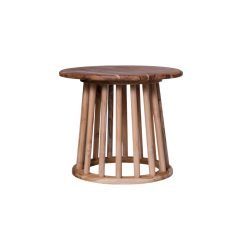

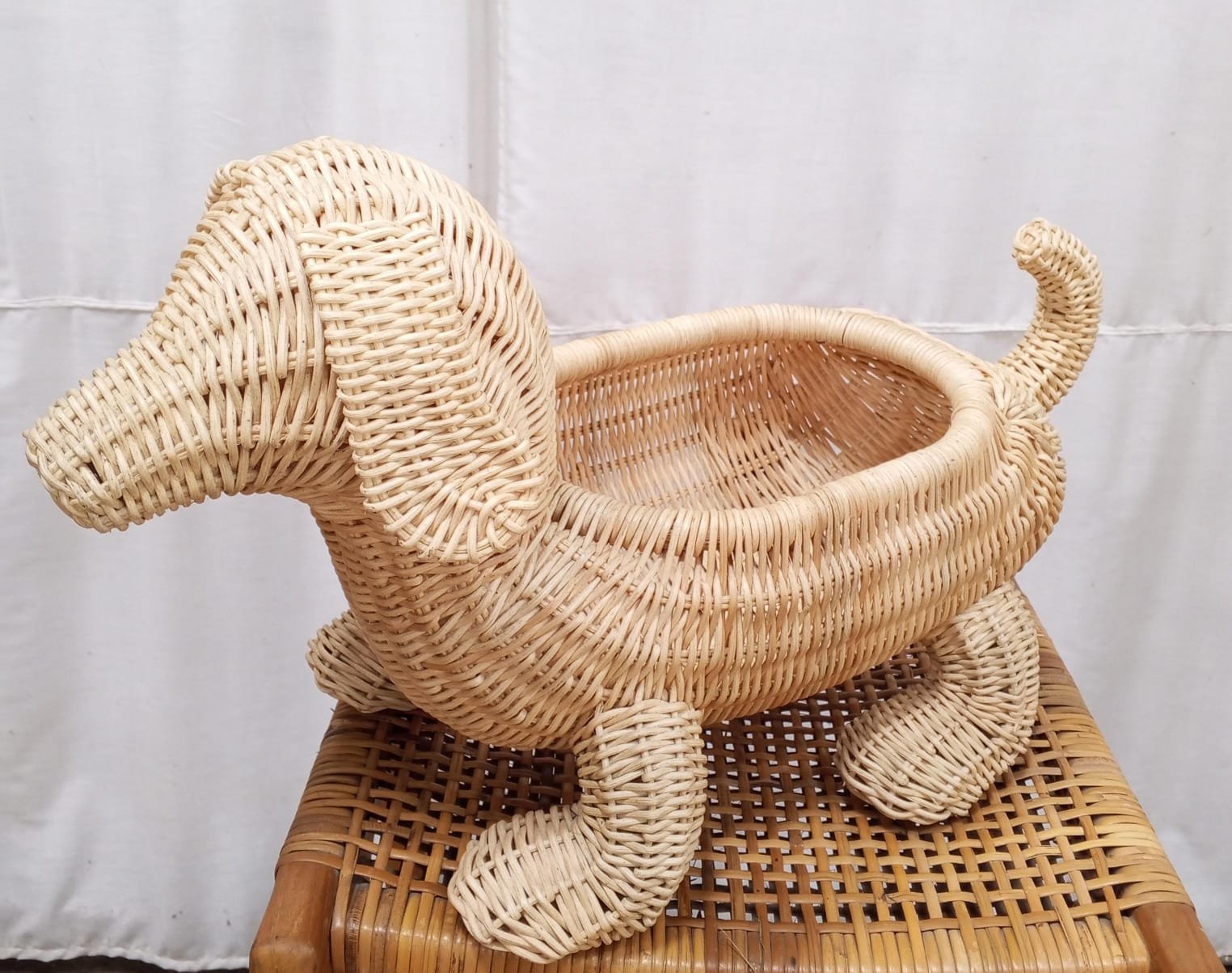
The rattan furniture manufacturing industry plays an important role in the global furniture market, particularly for countries that have abundant natural rattan resources. As international demand for sustainable and natural furniture continues to increase, rattan furniture has become a valuable export product in many developing economies. The economic value generated by this industry extends beyond manufacturing, supporting employment, international trade, and regional development.
By supplying high-quality rattan furniture to global markets, manufacturers can create strong economic opportunities while promoting environmentally friendly products.
Contribution to National Export Revenue
One of the most significant economic benefits of rattan furniture manufacturing is its contribution to national export revenue. Many countries with rich rattan resources export finished furniture products to international markets such as Europe, North America, and Asia.
These exports generate foreign exchange earnings that strengthen national economies. The ability to transform raw rattan into finished furniture products also increases the value of the material, allowing exporting countries to gain higher economic returns compared to selling raw materials alone.
By focusing on value-added production, rattan furniture manufacturers can significantly enhance their competitiveness in global trade.
Job Creation and Local Employment
The rattan furniture manufacturing industry also creates employment opportunities at multiple levels of the supply chain. From harvesting and processing raw rattan to designing, assembling, and finishing furniture products, many stages of production require skilled labor.
This labor-intensive production process provides jobs for thousands of workers, particularly in rural areas where rattan resources are often found. Craftsmen, weavers, designers, and factory workers all play important roles in transforming raw rattan into high-quality furniture.
As export demand increases, the industry continues to support the livelihoods of local communities and contributes to regional economic development.
Supporting Small and Medium Enterprises
Another important economic advantage of rattan furniture manufacturing is its ability to support small and medium-sized enterprises (SMEs). Many rattan furniture businesses operate as small workshops or family-owned companies that specialize in handcrafted furniture production.
Through access to international markets, these businesses can expand their operations and increase their production capacity. Export opportunities allow SMEs to grow their brands, improve product quality, and establish long-term relationships with international buyers.
This growth strengthens the overall industrial ecosystem and encourages entrepreneurship in the furniture sector.
Increasing Value Through Design and Innovation
The economic value of rattan furniture exports is also influenced by design innovation and product development. Modern consumers often seek furniture that combines natural materials with contemporary design elements.
Manufacturers that invest in design innovation can create unique furniture collections that appeal to global markets. By offering distinctive designs and maintaining high quality standards, companies can position their products in premium market segments.
Higher-value products allow manufacturers to achieve better profit margins and increase the overall economic contribution of the industry.
Strengthening Global Trade Relationships
Export-oriented industries such as rattan furniture manufacturing help strengthen international trade relationships between producing countries and global markets. Through regular trade partnerships, manufacturers build long-term cooperation with international distributors, retailers, and hospitality companies.
These trade relationships not only expand market access but also encourage knowledge exchange, including improvements in design trends, production techniques, and quality standards.
As a result, the rattan furniture industry becomes more competitive and adaptable in the global marketplace.
Encouraging Sustainable Economic Growth
Rattan furniture manufacturing also supports sustainable economic development. Since rattan is a renewable natural resource, its responsible cultivation and harvesting allow the industry to maintain long-term production without causing major environmental damage.
Sustainable production practices help ensure that rattan resources remain available for future generations. This balance between economic growth and environmental responsibility makes the rattan furniture industry an attractive sector for sustainable export development.
Countries that manage their rattan resources responsibly can benefit from continuous economic opportunities in the international furniture market.
Conclusion
The rattan furniture manufacturing industry provides significant economic value for export markets by generating national revenue, creating employment opportunities, and supporting small and medium enterprises. Through design innovation, quality production, and strong international trade partnerships, the industry continues to expand its presence in global markets.
As global demand for sustainable and natural furniture products continues to grow, rattan furniture manufacturing will remain an important contributor to economic development and international trade. By focusing on value-added production and responsible resource management, manufacturers can ensure the long-term success of this industry in export markets.