

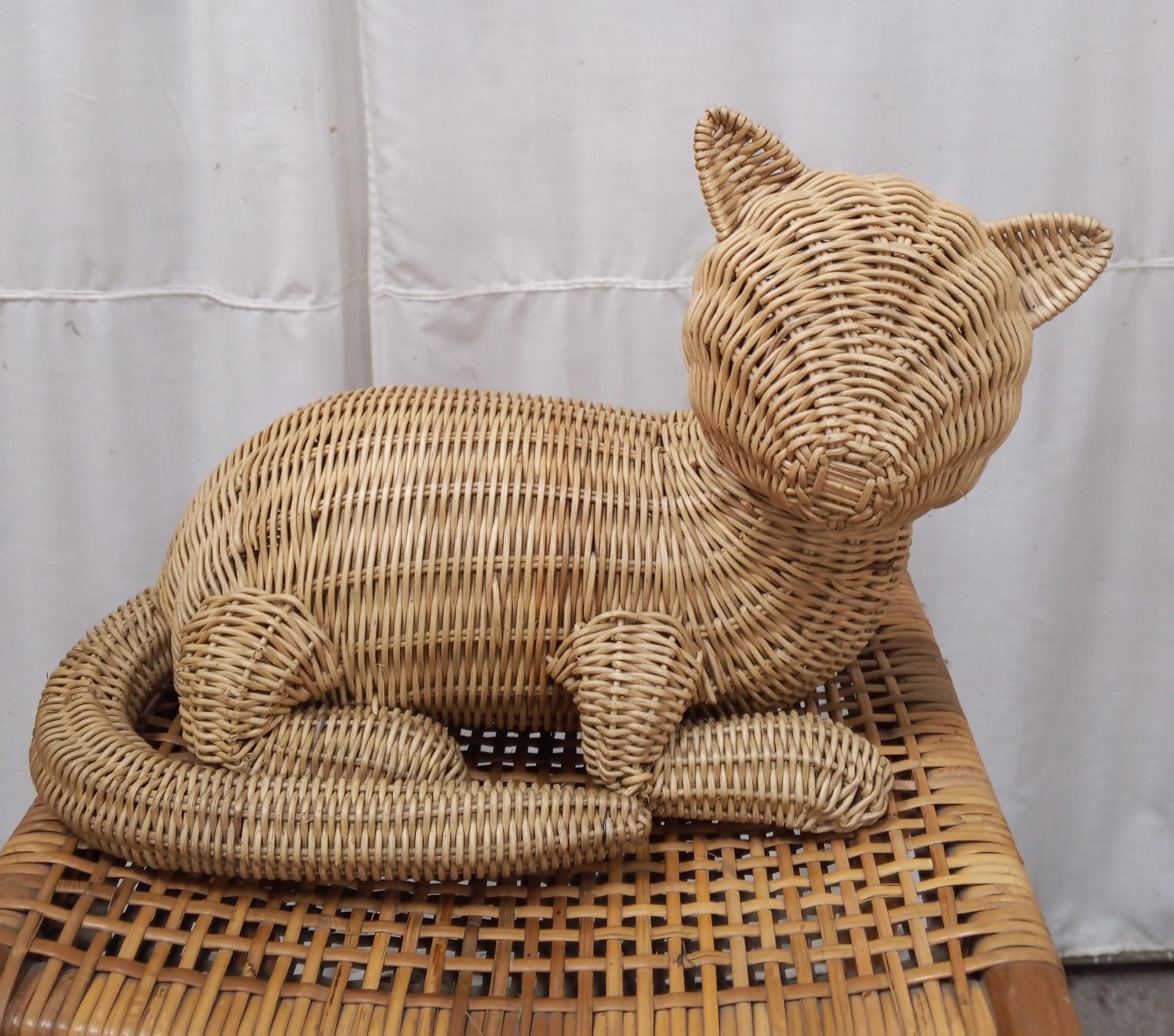
The global furniture industry is constantly evolving as interior design trends change over time. These trends influence how furniture is designed, produced, and marketed. In recent years, rattan furniture has experienced renewed popularity as global interior design movements increasingly favor natural materials, sustainable products, and unique craftsmanship. As a result, rattan furniture manufacturing has adapted to meet the changing preferences of designers, architects, and consumers around the world. The influence of global interior design trends has encouraged innovation in rattan furniture production while maintaining the traditional qualities that make rattan products distinctive.
The Rise of Natural and Organic Design
One of the most significant trends in modern interior design is the preference for natural and organic materials. Many homeowners and designers are seeking to create living spaces that feel calm, warm, and connected to nature.
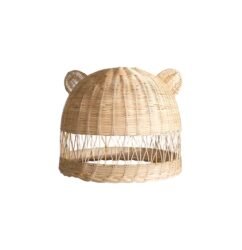
Rattan furniture fits perfectly within this design philosophy. Its natural texture, warm color, and lightweight structure help create a relaxed and inviting atmosphere. Because of these qualities, rattan furniture is commonly used in living rooms, patios, cafés, and boutique hotels.
As this design trend continues to grow globally, manufacturers have expanded their production of rattan furniture to meet increasing demand.
Influence of Minimalist and Scandinavian Styles
Minimalist and Scandinavian interior design styles have also contributed to the growing demand for rattan furniture. These styles emphasize simplicity, functionality, and the use of natural materials.
Rattan furniture complements these design concepts because it provides visual warmth while maintaining a light and simple structure. Designers often incorporate rattan chairs, tables, and decorative elements into minimalist spaces to add texture without overwhelming the room.
To adapt to these design trends, manufacturers have developed furniture collections with cleaner lines, simpler forms, and lighter structures.
Integration with Modern Materials
Global interior design trends also encourage the combination of different materials to create modern and innovative furniture designs. In response, rattan furniture manufacturers are increasingly integrating rattan with materials such as metal, glass, and upholstered fabrics.
For example, a modern rattan chair may include a metal frame for additional strength or soft cushions for improved comfort. These combinations allow manufacturers to create furniture that appeals to contemporary consumers while maintaining the natural charm of rattan.
This hybrid design approach helps rattan furniture remain relevant in modern interior environments.
Growing Popularity in Hospitality and Commercial Spaces
Interior design trends in the hospitality industry have also influenced the growth of rattan furniture manufacturing. Hotels, restaurants, and resorts often seek furniture that creates a relaxing and visually appealing atmosphere for guests.
Rattan furniture is particularly popular in tropical, coastal, and nature-inspired hospitality designs. Its natural aesthetic helps create welcoming environments that enhance the overall guest experience.
Because of this demand, many manufacturers now produce specialized rattan furniture collections designed specifically for commercial and hospitality projects.
Encouraging Design Innovation
The influence of global interior design trends has also encouraged innovation within the rattan furniture industry. Designers and manufacturers continuously explore new forms, weaving techniques, and finishing styles to meet changing market preferences.
For example, some manufacturers experiment with darker finishes, painted rattan surfaces, or geometric weaving patterns to create more contemporary looks. Others develop modular furniture designs that provide greater flexibility for modern living spaces.
These innovations help keep rattan furniture attractive to a broader audience while maintaining its traditional appeal.
Supporting Sustainable Design Movements
Another important design trend influencing rattan furniture manufacturing is the growing emphasis on sustainability. Many designers and consumers now prioritize environmentally responsible materials when selecting furniture.
Rattan is widely recognized as a renewable and eco-friendly material, which aligns well with sustainable interior design principles. Because rattan grows quickly and can be harvested responsibly, it is often considered a better alternative to slower-growing hardwood materials.
This environmental advantage further strengthens the position of rattan furniture in modern design markets.
Conclusion
Global interior design trends play a major role in shaping the development of rattan furniture manufacturing. The increasing popularity of natural materials, minimalist aesthetics, and sustainable design has significantly expanded the demand for rattan furniture worldwide.
By adapting to these evolving trends and combining traditional craftsmanship with innovative design approaches, rattan furniture manufacturers can continue to thrive in international markets. As the global focus on sustainability and natural living spaces grows, rattan furniture is likely to remain an important element in contemporary interior design.