
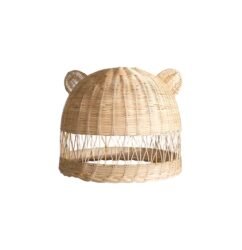

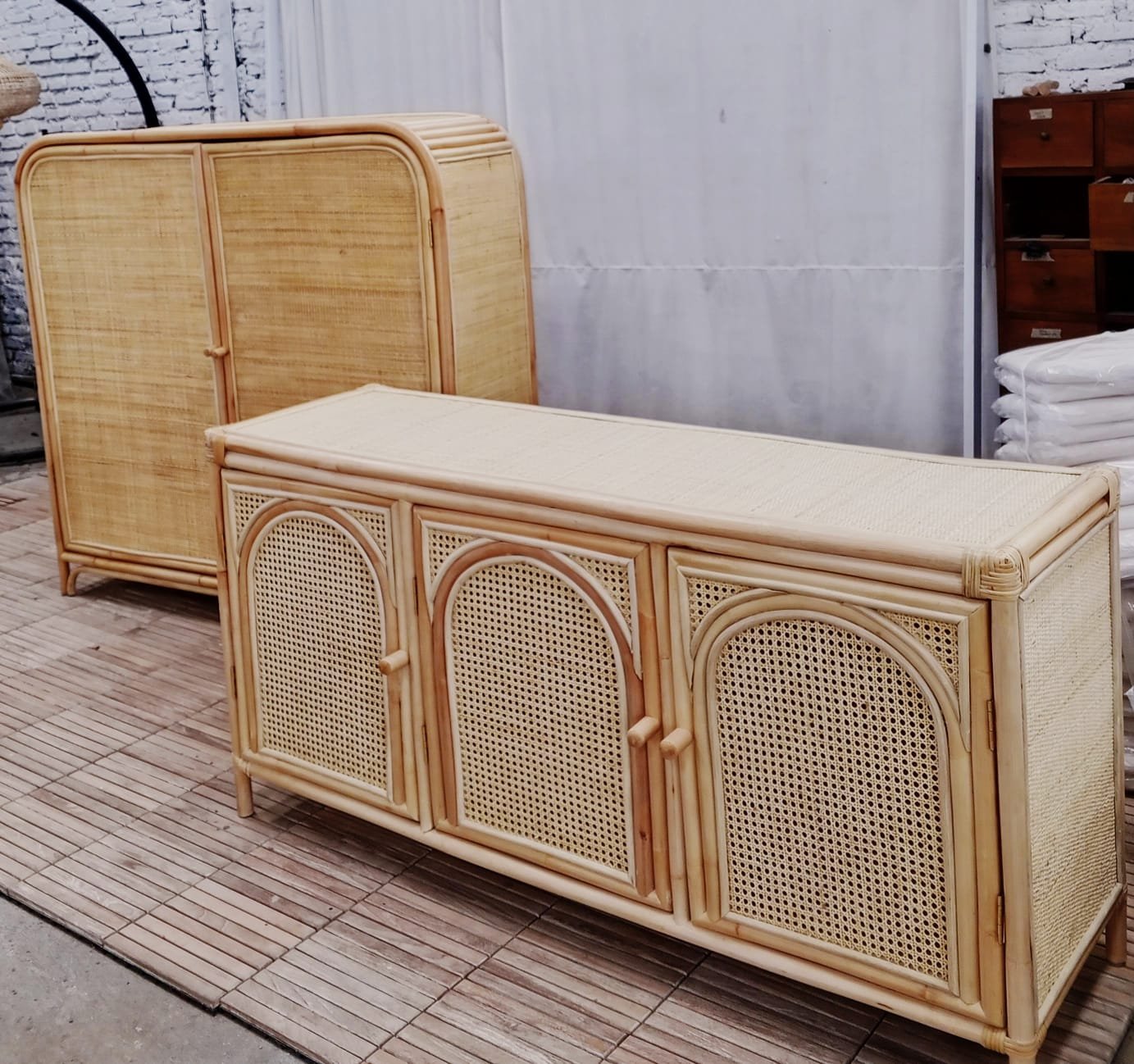
Rattan furniture has long been appreciated for its natural beauty, flexibility, and durability. For centuries, artisans have used rattan to create furniture that is both functional and visually appealing. However, as the global furniture industry continues to evolve, rattan furniture manufacturing has also undergone significant transformation. The industry has moved from purely traditional craftsmanship to a more modern approach that combines innovation, technology, and contemporary design. This evolution has allowed rattan furniture to remain relevant and competitive in modern furniture design.
Traditional Roots of Rattan Furniture
The origins of rattan furniture manufacturing can be traced back to traditional communities in tropical regions where rattan grows naturally. In these early stages, furniture was produced entirely by hand using simple tools and traditional weaving techniques. Skilled artisans shaped and wove rattan into chairs, tables, baskets, and decorative items.
These traditional methods required patience, experience, and precision. The craftsmanship involved in weaving rattan created unique patterns and structures that gave each piece of furniture a distinct character. For many years, this handmade approach defined the identity of rattan furniture and contributed to its reputation for quality and artistry.
The Introduction of Industrial Manufacturing
As global demand for furniture increased, rattan manufacturers began adopting more organized and efficient production methods. The introduction of industrial manufacturing techniques allowed producers to increase output while maintaining product quality.
Modern machinery began assisting in tasks such as cutting, shaping, and drying rattan materials. These improvements helped reduce production time and improve consistency across large batches of furniture. Although the weaving process still relied heavily on skilled artisans, the integration of machinery allowed manufacturers to meet the growing needs of domestic and international markets.
This transition marked an important step in the evolution of the rattan furniture industry.
Influence of Modern Interior Design Trends
The evolution of rattan furniture manufacturing is closely linked to changes in global interior design trends. Modern consumers increasingly prefer furniture that reflects natural aesthetics, sustainability, and simplicity.
Rattan fits perfectly into popular design styles such as minimalist, Scandinavian, tropical, and bohemian interiors. Designers appreciate the organic texture and warm tones of rattan, which create a sense of comfort and harmony in living spaces.
As a result, rattan furniture has evolved from traditional handcrafted items into stylish pieces that complement contemporary interior design.
Innovation in Materials and Design
Modern rattan furniture manufacturing now incorporates innovative design approaches and new material combinations. Many manufacturers combine rattan with other materials such as metal, glass, wood, and upholstery to create furniture that is both modern and functional.
These hybrid designs expand the possibilities of rattan furniture by improving structural strength, enhancing comfort, and introducing new aesthetic elements. Designers can experiment with shapes, patterns, and textures to create furniture that meets the expectations of modern consumers.
Such innovations allow rattan furniture to compete with other materials in the global furniture market.
Technological Advancements in Production
Technology has also played a major role in shaping the evolution of rattan furniture manufacturing. Digital design tools, such as computer-aided design (CAD) software, allow manufacturers to create detailed furniture models before production begins. This improves design accuracy and reduces production errors.
Additionally, advanced treatment and finishing techniques help protect rattan from moisture, pests, and environmental damage. These technologies enhance the durability and lifespan of rattan furniture, making it suitable for both indoor and outdoor use.
The combination of technology and traditional craftsmanship helps manufacturers produce furniture that meets modern quality standards.
Sustainability and the Future of Rattan Furniture
Another important aspect of the evolution of rattan furniture manufacturing is the growing focus on sustainability. Rattan is a renewable material that grows faster than many types of wood, making it an environmentally responsible option for furniture production.
Manufacturers are increasingly adopting sustainable harvesting practices, eco-friendly finishes, and responsible production processes. These efforts align with the global movement toward environmentally conscious design and production.
As sustainability becomes a key priority in the furniture industry, rattan furniture is expected to gain even greater recognition in modern markets.
Conclusion
The evolution of rattan furniture manufacturing reflects the industry’s ability to adapt to changing market demands, technological advancements, and design trends. While traditional craftsmanship remains at the heart of rattan furniture production, modern innovations have expanded its possibilities in terms of design, durability, and global reach.
By combining heritage techniques with modern manufacturing methods and sustainable practices, the rattan furniture industry continues to play an important role in contemporary furniture design. This balance between tradition and innovation ensures that rattan furniture will remain a valued and competitive choice in the global market for years to come.