
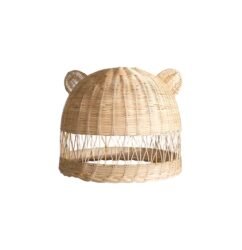
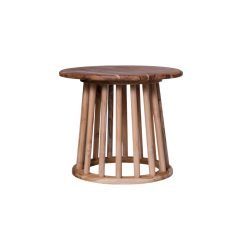

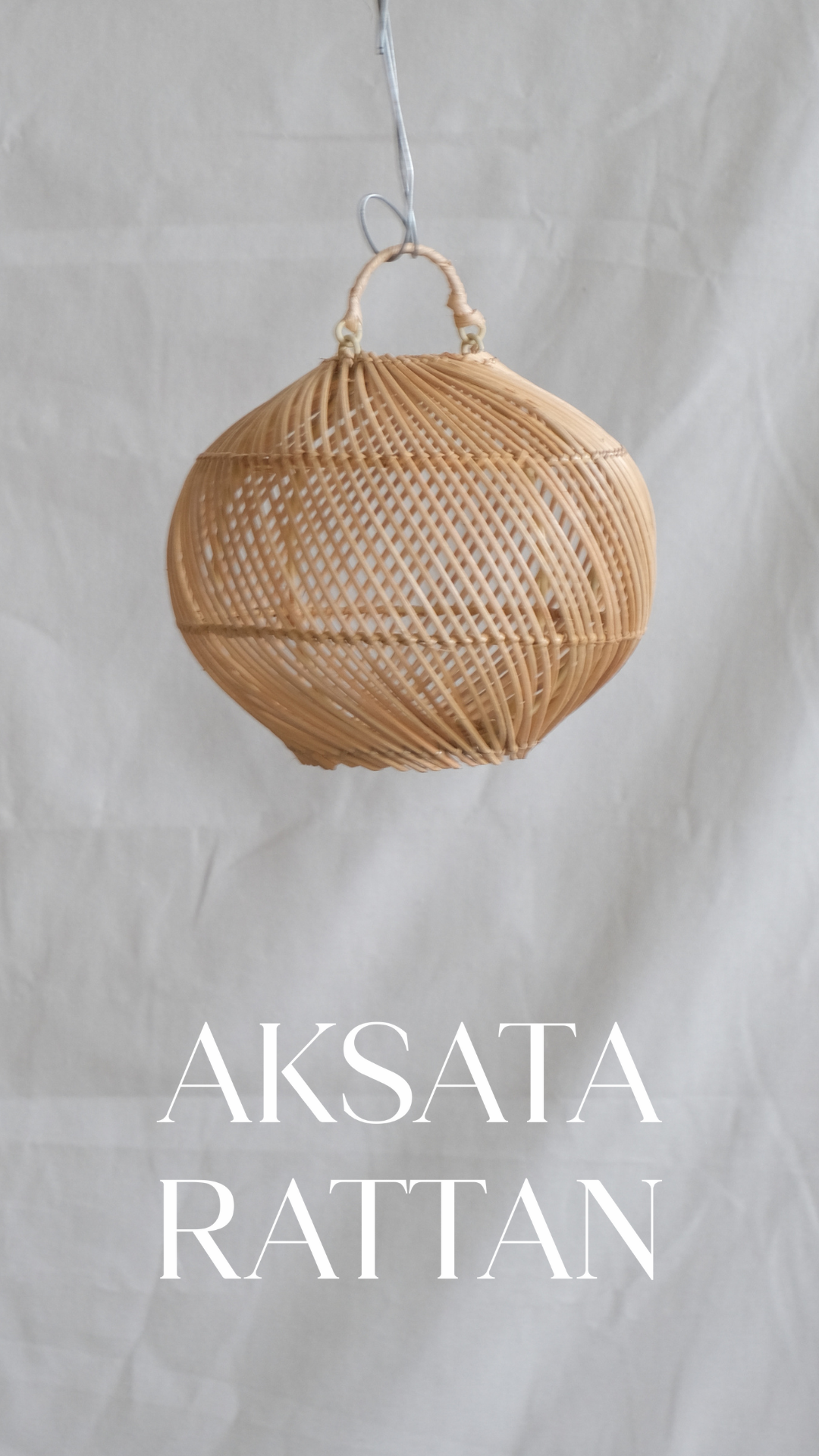
The rattan furniture industry has experienced significant growth over the past decade, driven by increasing demand for sustainable, stylish, and durable furniture. As consumers worldwide become more environmentally conscious and design preferences evolve, the industry is poised for further development. Looking ahead, several trends are likely to shape the future of rattan furniture manufacturing, influencing production techniques, design innovations, and market dynamics.
1. Emphasis on Sustainability
Sustainability will remain a central trend in the rattan furniture industry. Consumers and businesses are increasingly seeking eco-friendly products made from renewable materials. Rattan is naturally renewable and environmentally responsible, but manufacturers are expected to adopt even more sustainable practices, such as:
- Eco-friendly finishes and water-based coatings
- Sustainable harvesting and reforestation programs
- Efficient waste management and material reuse
These practices will not only appeal to eco-conscious buyers but also strengthen the industry’s long-term viability by ensuring responsible resource management.
2. Integration of Modern Technology
While traditional craftsmanship is a hallmark of rattan furniture, the integration of modern technology is shaping the future of the industry. Innovations such as computer-aided design (CAD) software, precision cutting tools, and advanced bending equipment are allowing manufacturers to:
- Improve production accuracy and efficiency
- Reduce material waste
- Develop complex and innovative furniture designs
By combining artisanal skills with technology, manufacturers can produce high-quality, aesthetically sophisticated furniture at scale.
3. Globalization and Expanding Export Markets
Global demand for rattan furniture continues to rise, particularly in North America, Europe, and emerging Asian markets. Factors such as the growth of the hospitality sector, online retail expansion, and rising consumer interest in sustainable furniture are creating new export opportunities.
Manufacturers who focus on meeting international quality standards, offering diverse product designs, and developing strong distribution networks are well-positioned to expand their global market presence.
4. Design Innovation and Customization
Future trends indicate that consumers will increasingly seek furniture that combines functionality, aesthetic appeal, and personalization. In response, rattan manufacturers are exploring:
- Hybrid designs that combine rattan with metal, glass, or sustainable wood
- Modular furniture suitable for small spaces
- Customizable pieces that reflect personal style and interior themes
Innovative design strategies allow manufacturers to cater to modern lifestyles while maintaining the unique charm of natural rattan.
5. Digital Marketing and E-Commerce Growth
The rise of e-commerce and digital marketing platforms is reshaping how rattan furniture reaches international customers. Online marketplaces, social media, and direct-to-consumer websites provide manufacturers with new channels to:
- Showcase their products to a global audience
- Offer customized furniture options
- Gather real-time consumer feedback to guide product development
Digital engagement helps manufacturers build brand recognition, expand sales, and respond more quickly to market trends.
6. Focus on Indoor-Outdoor Versatility
Rattan furniture is increasingly used in both indoor and outdoor environments. Manufacturers are developing products that are more weather-resistant, durable, and versatile, making them suitable for:
- Patios, gardens, and poolside areas
- Hospitality projects such as resorts and hotels
- Modern indoor living spaces with natural design aesthetics
This versatility expands the potential market and allows manufacturers to meet a wider range of consumer needs.
7. Preservation of Traditional Craftsmanship
Despite technological advancements, traditional weaving and crafting techniques remain essential to the identity of rattan furniture. The future of the industry will likely emphasize the balance between innovation and preserving artisanal skills. Programs supporting training for new artisans and maintaining cultural knowledge will ensure that the unique craftsmanship of rattan furniture continues to be valued globally.
Conclusion
The future of rattan furniture manufacturing is shaped by a combination of sustainability, technological innovation, design creativity, and global market expansion. As consumers increasingly value eco-friendly and customizable furniture, manufacturers who embrace these trends are likely to thrive in a competitive and evolving industry.
By blending traditional craftsmanship with modern production techniques and sustainable practices, the rattan furniture industry is poised to remain a dynamic and influential part of the global furniture market in the years to come.