



sustainable interior design has become a major focus in architecture and home decoration. Designers, homeowners, and businesses are increasingly looking for materials that are environmentally responsible while still offering beauty, comfort, and durability. Among the many natural materials used in modern interiors, rattan has emerged as one of the most important. Rattan furniture manufacturing plays a significant role in supporting sustainable interior design because of its renewable nature, low environmental impact, and strong connection to traditional craftsmanship.
A Renewable and Eco-Friendly Material
One of the main reasons rattan furniture is essential for sustainable interior design is the renewable nature of the material itself. Rattan is a climbing palm that grows naturally in tropical forests, particularly in Southeast Asia. Unlike hardwood trees that can take decades to mature, rattan grows relatively quickly and can be harvested more frequently.
Another important advantage is that harvesting rattan typically does not require cutting down trees. The vines are collected while the forest ecosystem remains intact. This process helps preserve forest environments and supports biodiversity. Because of these qualities, rattan is widely considered an environmentally responsible material for furniture production.
Supporting Sustainable Forest Management
Rattan manufacturing can also contribute to sustainable forest management. Since rattan grows within forest ecosystems, maintaining healthy forests is essential for the continued availability of the material. This encourages local communities and producers to protect forest areas rather than clearing them for other land uses.
In many regions, sustainable rattan harvesting provides economic value to forests while preserving their ecological functions. By supporting both environmental protection and local livelihoods, the rattan industry plays an important role in sustainable development.
Natural Aesthetic for Eco-Friendly Interiors
Sustainable interior design often emphasizes the use of natural materials that create a warm and organic atmosphere. Rattan furniture offers a unique natural texture and neutral color that can easily complement various interior design styles.
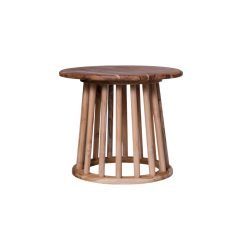
Rattan is commonly used in furniture such as chairs, tables, cabinets, shelving units, and decorative accessories. It fits well with many popular interior styles, including minimalist, tropical, Scandinavian, and bohemian designs. This versatility allows designers to create environmentally friendly spaces without sacrificing visual appeal.
The natural appearance of rattan furniture helps bring elements of nature into indoor spaces, which is an important concept in sustainable design.
Energy-Efficient Manufacturing Process
Another reason rattan furniture manufacturing supports sustainable interior design is the relatively low energy consumption involved in its production. Many rattan products are crafted through manual processes such as weaving, bending, and shaping, which require less heavy machinery compared to highly industrialized furniture manufacturing.
These traditional techniques reduce energy use while also preserving cultural craftsmanship. The combination of skilled artisans and simple production tools helps create high-quality furniture with a smaller environmental footprint.
Durability and Long Product Life
Sustainable design also emphasizes durability and long product lifecycles. Furniture that lasts longer reduces the need for frequent replacement, which helps minimize waste and resource consumption.
When properly treated and maintained, rattan furniture can be highly durable. Its flexibility and strength allow it to withstand regular use in both residential and commercial environments. The lightweight nature of rattan also makes it easy to move and reuse in different spaces.
By producing furniture that combines durability with natural materials, rattan manufacturing supports long-term sustainability.
Supporting Local Craftsmanship and Communities
Rattan furniture manufacturing also contributes to social sustainability by supporting local artisans and traditional craftsmanship. In many producing regions, the industry provides employment opportunities for skilled workers who specialize in weaving and furniture construction.
These craftsmen often rely on techniques that have been passed down through generations. By preserving these skills, the rattan industry helps maintain cultural heritage while providing economic benefits to local communities.
This connection between craftsmanship, culture, and sustainability strengthens the value of rattan furniture in modern interior design.
Conclusion
Rattan furniture manufacturing plays a crucial role in sustainable interior design due to its renewable raw materials, environmentally responsible harvesting methods, and energy-efficient production processes. Its natural beauty, durability, and design versatility make it an ideal choice for creating eco-friendly living spaces.
As global awareness of environmental issues continues to grow, the importance of sustainable materials like rattan will likely increase. By combining traditional craftsmanship with responsible manufacturing practices, rattan furniture manufacturing will remain an essential part of the future of sustainable interior design.