

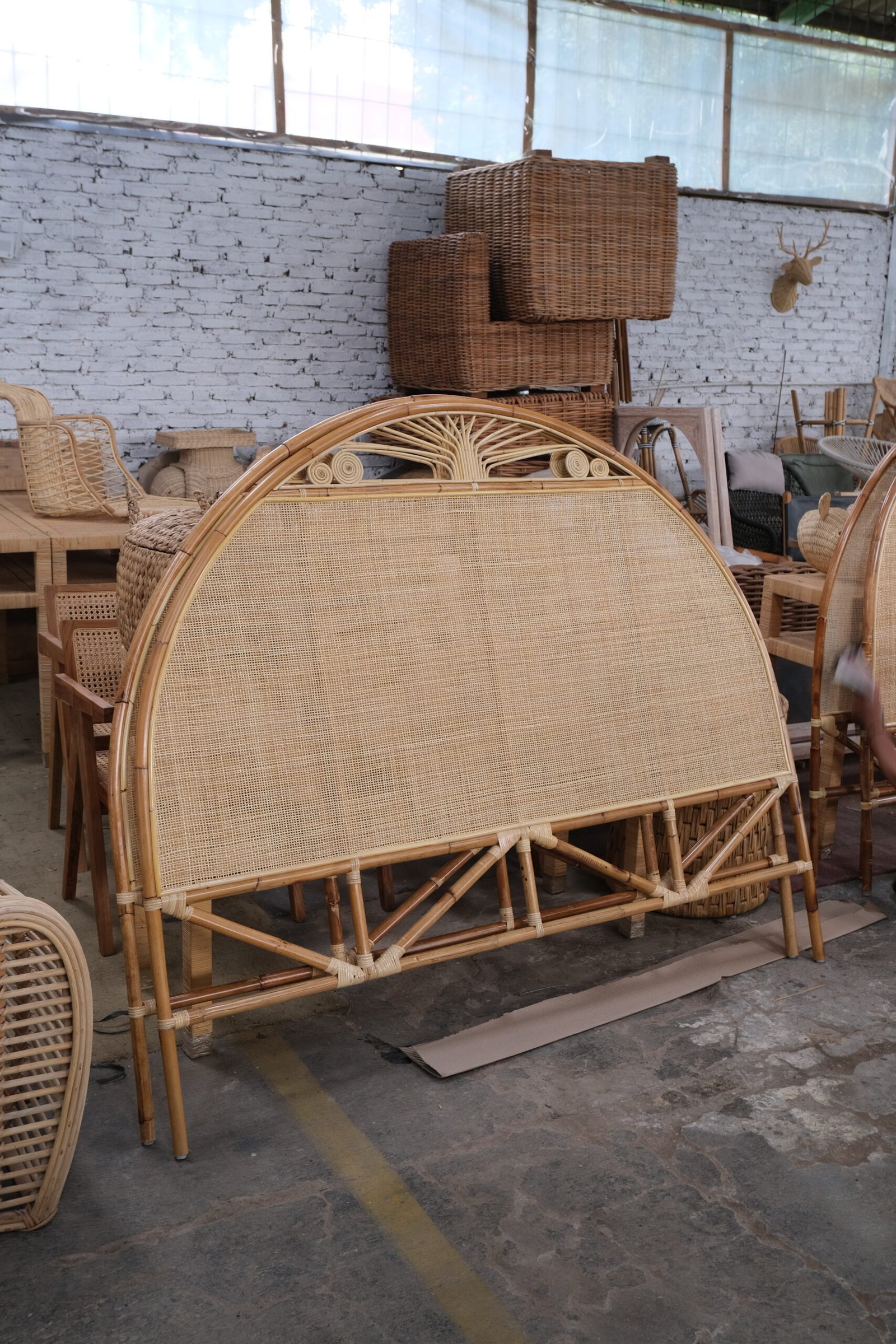
As environmental awareness continues to grow around the world, many industries are shifting toward more sustainable practices. The furniture sector, in particular, has experienced a major transformation as designers, manufacturers, and consumers increasingly prioritize eco-friendly materials and responsible production methods. Among the materials gaining widespread recognition is rattan. Because of its natural characteristics, sustainability, and design flexibility, rattan furniture manufacturing is becoming a key industry in the development of eco-friendly design.
A Renewable and Sustainable Natural Resource
One of the main reasons rattan furniture manufacturing plays an important role in eco-friendly design is the renewable nature of rattan. Rattan is a climbing palm that grows naturally in tropical forests, particularly in Southeast Asia. Unlike hardwood trees that may take decades to mature, rattan grows relatively quickly and can be harvested more frequently.
In addition, harvesting rattan usually does not require cutting down trees. Instead, the rattan vines are collected while the surrounding forest ecosystem remains intact. This method helps support forest conservation and promotes sustainable resource management.
Because of these characteristics, rattan is widely considered an environmentally responsible alternative to many traditional furniture materials.
Supporting Sustainable Forest Ecosystems
Rattan harvesting can contribute to the protection of forest environments. Since rattan grows naturally within forest ecosystems, maintaining healthy forests is essential for sustaining rattan production. This encourages local communities and producers to protect forest areas rather than clearing them for other purposes.
In many regions, sustainable rattan harvesting helps preserve biodiversity and reduce deforestation. By providing economic value to forest resources without damaging them, rattan manufacturing supports a balance between environmental protection and economic development.
Lightweight and Energy-Efficient Production
Another factor that makes rattan manufacturing suitable for eco-friendly design is its relatively low energy consumption during production. Many rattan products are crafted through manual processes such as weaving, bending, and shaping. These traditional techniques require less heavy machinery compared to large-scale industrial furniture manufacturing.
The lightweight nature of rattan also reduces transportation costs and energy use during shipping. Because rattan furniture is easier to move and transport, manufacturers and distributors can lower the environmental impact associated with logistics.
Versatility in Sustainable Interior Design
Rattan furniture is widely used in sustainable interior design because it offers both aesthetic appeal and environmental benefits. The natural color and texture of rattan create a warm and organic atmosphere in living spaces, which aligns with the principles of eco-friendly design.
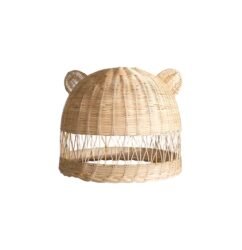
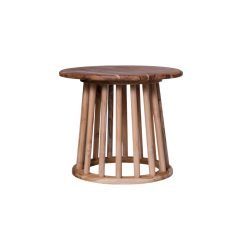
Designers often use rattan to create a wide range of products, including chairs, tables, cabinets, lighting fixtures, and decorative elements. Rattan furniture can complement many interior design styles, such as minimalist, tropical, Scandinavian, and bohemian themes.
This versatility allows rattan to play an important role in modern interior design projects that emphasize sustainability and natural materials.
Encouraging Ethical and Local Production
The rattan furniture industry also supports ethical production practices and local craftsmanship. In many producing countries, rattan manufacturing provides employment for skilled artisans who specialize in weaving and furniture construction.
These craftsmen often use techniques that have been passed down through generations, preserving cultural heritage while producing high-quality furniture. By supporting local artisans and responsible production methods, the rattan industry contributes to social sustainability as well as environmental responsibility.
Increasing Global Demand for Eco-Friendly Products
Global consumer behavior is increasingly shifting toward environmentally responsible products. Many buyers now consider sustainability when choosing furniture for their homes, offices, hotels, and commercial spaces.
As a result, furniture made from renewable materials such as rattan is gaining popularity in international markets. Businesses and interior designers are also incorporating eco-friendly furniture into their projects to meet sustainability goals and improve environmental branding.
This growing demand continues to strengthen the position of rattan furniture manufacturing within the global furniture industry.
Conclusion
Rattan furniture manufacturing is becoming a key industry in eco-friendly design because it combines sustainability, natural beauty, and practical functionality. Its renewable raw material, environmentally responsible harvesting methods, and energy-efficient production processes make it an ideal choice for modern sustainable living.
As environmental awareness continues to influence global markets, rattan furniture will likely play an even greater role in shaping the future of sustainable interior design. By balancing traditional craftsmanship with responsible production practices, the rattan industry can continue to support both environmental protection and innovative design.