





Indonesia is widely recognized as one of the world’s leading producers of rattan. With its vast tropical forests and long tradition of craftsmanship, the country has developed a strong rattan manufacturing industry that supplies furniture and decorative products to international markets. Indonesian rattan manufacturers have several competitive advantages that enable them to remain influential in the global furniture industry, including abundant natural resources, skilled labor, cultural craftsmanship, and growing innovation in design and production.
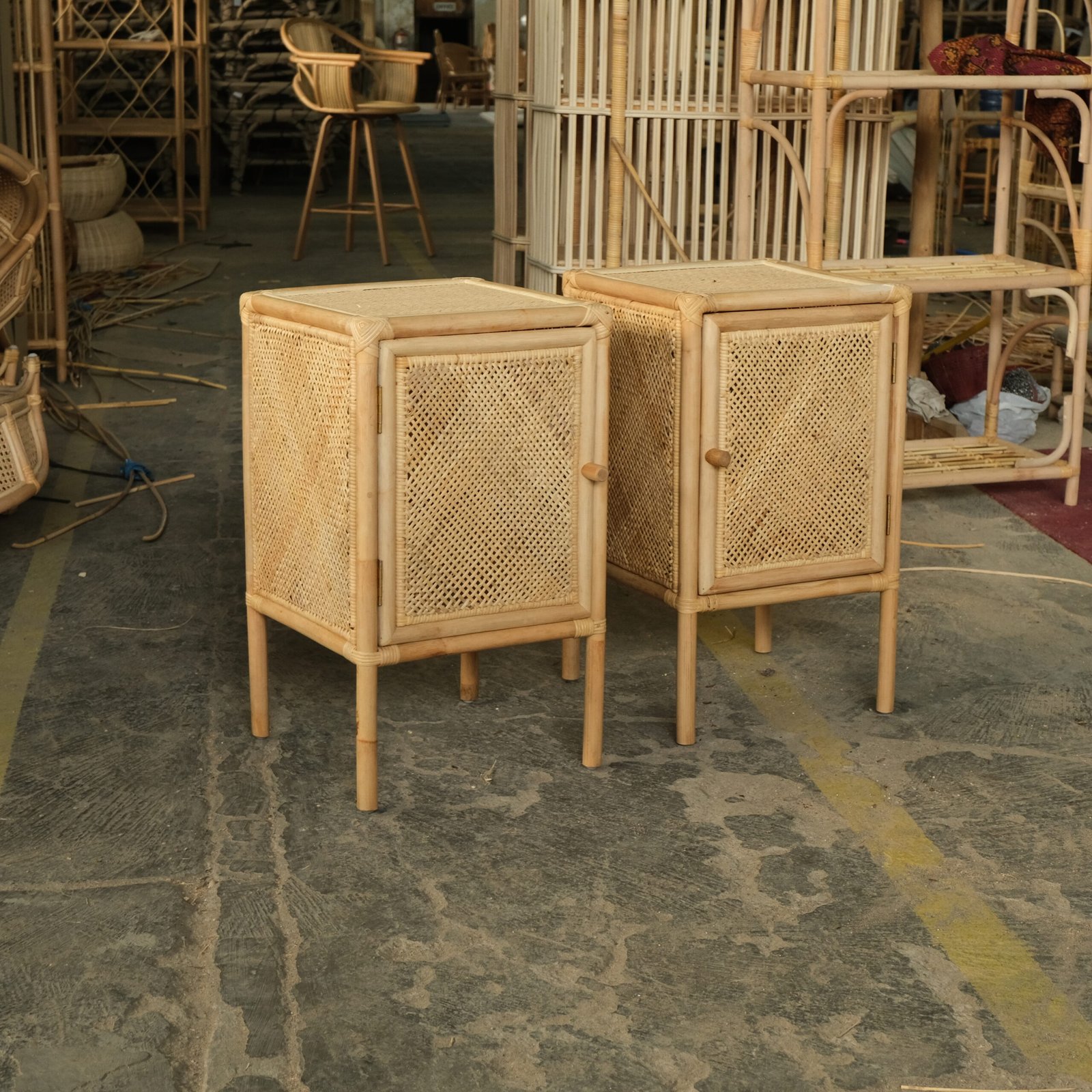
Abundant Natural Rattan Resources
One of the primary advantages of Indonesia’s rattan manufacturing industry is its access to abundant natural resources. Indonesia is home to a large percentage of the world’s rattan supply, with many species growing naturally in its tropical forests.
This availability of raw materials provides Indonesian manufacturers with a stable and reliable supply chain. The proximity of rattan sources to production centers also helps reduce transportation costs and improves production efficiency. As a result, manufacturers can maintain competitive pricing while ensuring consistent product quality.
Skilled Craftsmanship and Traditional Techniques
Another major strength of Indonesian rattan manufacturing lies in its skilled artisans. For generations, communities across the country have developed advanced weaving and crafting techniques that transform raw rattan into high-quality furniture and decorative items.
These traditional skills allow Indonesian craftsmen to create intricate weaving patterns and durable product structures. The craftsmanship adds unique artistic value to rattan products, making them highly appreciated in international markets where consumers often seek handmade and authentic furniture.
Strong Export Orientation
Indonesia’s rattan manufacturing industry has a long history of exporting products to global markets. Indonesian rattan furniture and décor items are widely distributed to regions such as Europe, North America, Asia, and Australia.
Many Indonesian manufacturers are experienced in meeting international quality standards, safety regulations, and export requirements. This experience helps companies maintain strong relationships with global distributors, retailers, and hospitality projects.
Additionally, participation in international trade fairs and exhibitions has helped Indonesian rattan manufacturers expand their global presence and strengthen their reputation in the furniture industry.
Innovation in Design and Product Development
While traditional craftsmanship remains an important aspect of the industry, Indonesian manufacturers are also actively embracing innovation. Many companies collaborate with professional designers to create contemporary furniture styles that appeal to modern consumers.
By combining traditional weaving techniques with modern design concepts, Indonesian rattan manufacturers can produce furniture that fits various interior styles, including minimalist, tropical, and contemporary designs. This balance between tradition and innovation allows Indonesian products to remain competitive in evolving global markets.
Growing Focus on Sustainability
Sustainability has become an increasingly important factor in global furniture production. Indonesian rattan manufacturing naturally supports sustainable practices because rattan is a renewable material that grows quickly and can be harvested without cutting down entire trees.
Many manufacturers are also adopting environmentally friendly production methods, such as responsible sourcing, waste reduction, and eco-friendly finishing materials. These practices align with the expectations of international buyers who prioritize environmentally responsible products.
Support from Government and Industry Organizations
The Indonesian government and various industry associations have also played an important role in strengthening the rattan manufacturing sector. Policies that support domestic processing of rattan materials encourage manufacturers to produce higher-value finished products rather than exporting raw materials.
In addition, training programs, trade promotion initiatives, and export facilitation efforts help local manufacturers expand their international reach and improve product competitiveness.
Conclusion
The competitive advantage of Indonesian rattan manufacturing is built on a combination of natural resources, skilled craftsmanship, export experience, and continuous innovation. These strengths allow Indonesia to remain one of the most important players in the global rattan furniture market.
As global demand for sustainable and natural materials continues to grow, Indonesian rattan manufacturers are well positioned to strengthen their international presence. By maintaining high product quality, embracing modern design trends, and supporting sustainable practices, the industry can continue to thrive and contribute to both economic development and environmental responsibility.