


In recent years, sustainable interior design has become a significant focus in architecture and home decoration. Designers and consumers are increasingly seeking materials that are environmentally friendly, renewable, and capable of creating aesthetically pleasing living spaces. Among the materials gaining attention in this movement is rattan. Through responsible production and natural characteristics, rattan manufacturing has become closely connected to the principles of sustainable interior design.
The Role of Natural Materials in Interior Design
Sustainable interior design emphasizes the use of natural and renewable materials that minimize environmental impact. Materials such as wood, bamboo, stone, and rattan are often preferred because they create a warm and organic atmosphere while reducing reliance on synthetic materials.
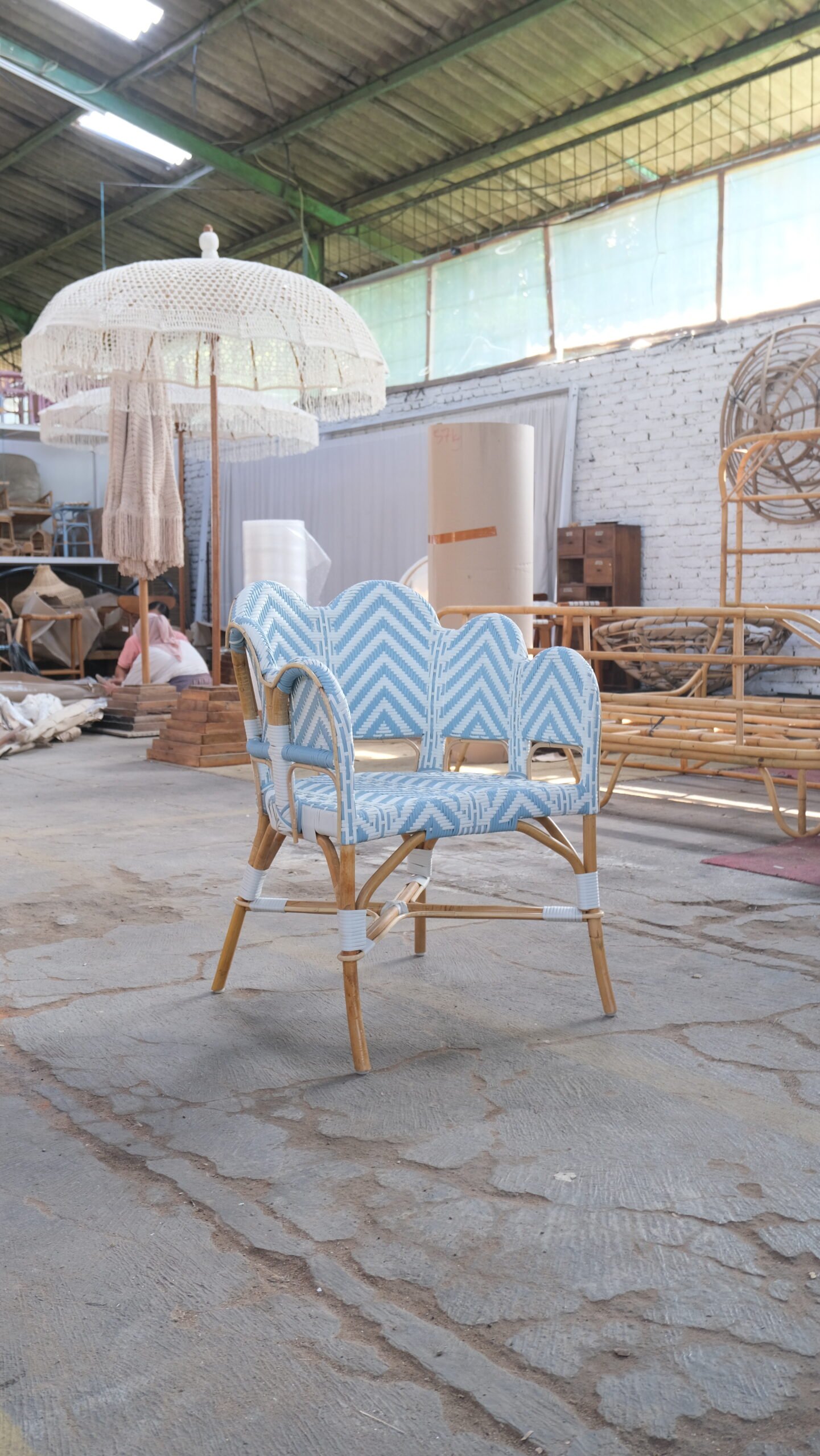
Rattan stands out among these materials due to its flexibility, lightweight structure, and natural appearance. The texture and color of rattan can easily complement various interior styles, making it a versatile choice for both residential and commercial spaces.
Rattan as an Environmentally Friendly Material
One of the key reasons rattan is widely used in sustainable interior design is its environmentally friendly nature. Rattan is a fast-growing climbing palm that regenerates quickly in tropical forests. Unlike many types of hardwood, rattan can be harvested without cutting down entire trees.
This harvesting process helps preserve forest ecosystems and supports biodiversity. Because of these characteristics, rattan is often considered a renewable and sustainable resource suitable for environmentally responsible design projects.
Enhancing Interior Aesthetics with Rattan
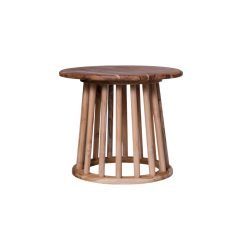
Rattan furniture and decorative elements can enhance the visual appeal of interior spaces. The natural patterns and woven textures add depth and character to a room. Designers frequently use rattan to create furniture such as chairs, tables, shelving units, and lighting fixtures.
Rattan also works well in various design styles, including tropical, Scandinavian, minimalist, and bohemian interiors. Its neutral tones allow it to blend easily with other materials such as wood, fabric, glass, and metal.
By combining rattan with modern design concepts, interior designers can create spaces that feel both contemporary and connected to nature.
Supporting Sustainable Manufacturing Practices
Rattan manufacturing often involves traditional craftsmanship and manual production processes. Skilled artisans weave and shape rattan using techniques that have been passed down through generations. This approach not only preserves cultural heritage but also reduces energy consumption compared to heavily industrialized manufacturing methods.
Many rattan manufacturers are also adopting environmentally responsible practices such as waste reduction, eco-friendly finishes, and responsible sourcing of raw materials. These efforts further strengthen the connection between rattan manufacturing and sustainable design principles.
Applications in Residential and Commercial Spaces
Rattan products are widely used in both residential and commercial interior design projects. In homes, rattan furniture can create a relaxed and comfortable atmosphere in living rooms, bedrooms, and dining areas. Decorative elements such as baskets, mirrors, and lampshades also add natural accents to interior spaces.
In commercial environments such as hotels, cafés, and resorts, rattan furniture contributes to a welcoming and stylish ambiance. Its lightweight and durable properties make it suitable for high-traffic environments while maintaining an elegant appearance.
Conclusion
Rattan manufacturing plays an important role in supporting sustainable interior design. Through the use of renewable materials, traditional craftsmanship, and environmentally responsible production methods, the industry contributes to the creation of interior spaces that are both beautiful and sustainable.
As awareness of environmental issues continues to grow, designers and consumers are likely to place even greater value on natural materials like rattan. By combining sustainability with aesthetic appeal, rattan manufacturing will continue to be an important element in the future of interior design.