
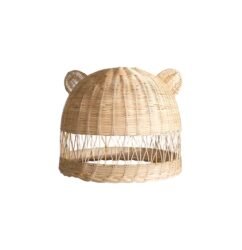
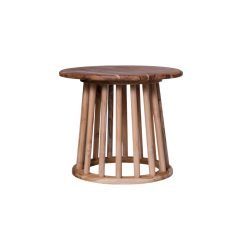
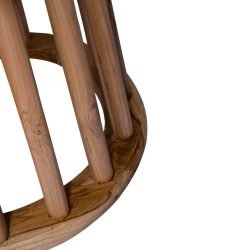

Rattan manufacturing is widely recognized for its beautiful and functional products, but one of the most distinctive elements of this industry is the art of weaving. Weaving is a traditional craft that transforms simple strands of rattan into intricate patterns used in furniture, baskets, and decorative items. This process requires patience, precision, and a high level of skill. The art of weaving not only contributes to the structural strength of rattan products but also reflects the creativity and cultural heritage of the artisans who produce them.
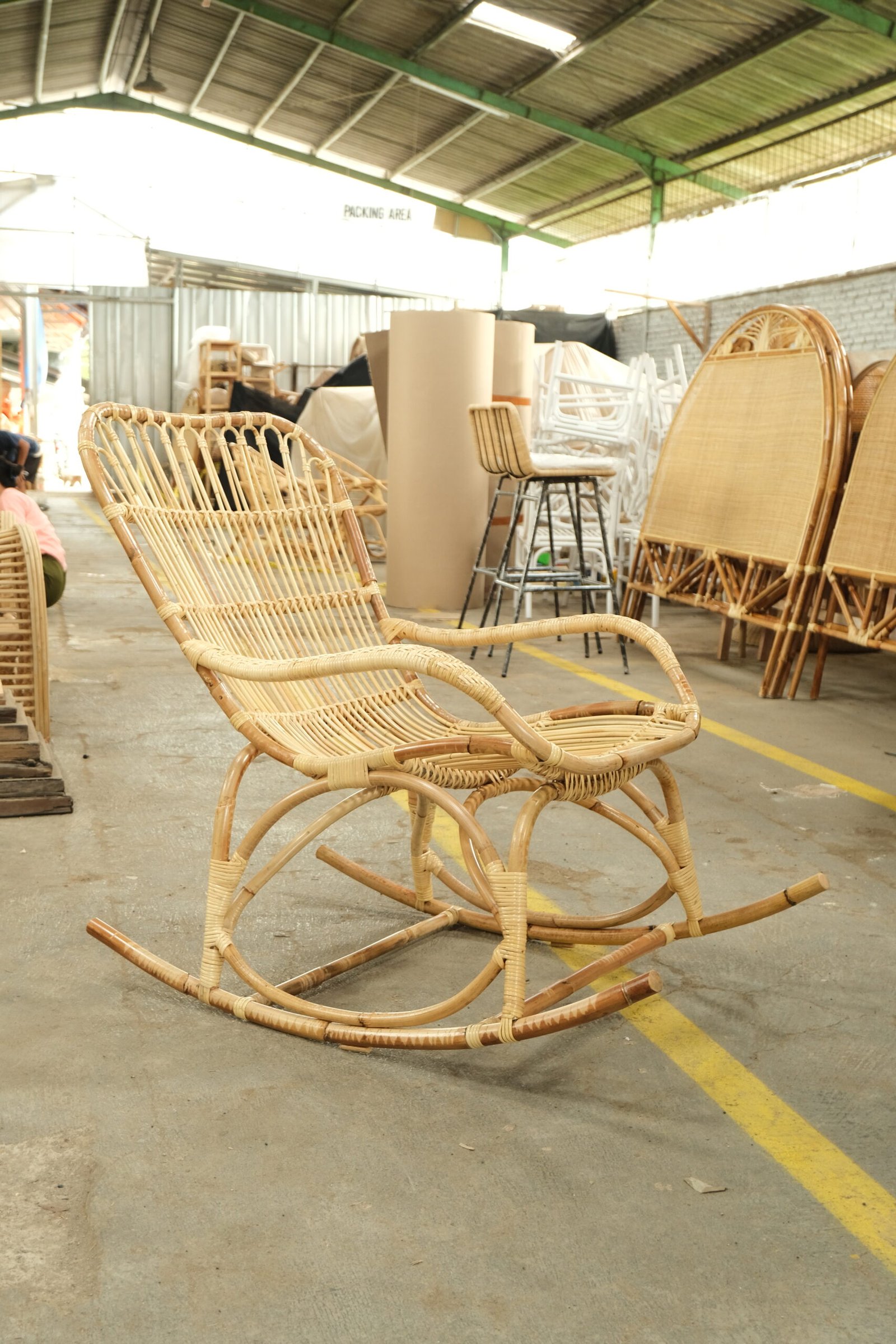
The Tradition of Rattan Weaving
The tradition of rattan weaving has been practiced for generations in many tropical regions, particularly in Southeast Asia where rattan grows naturally. Skilled artisans often learn weaving techniques from older family members or through community training programs. These techniques are passed down over time, preserving both the knowledge and the cultural identity associated with the craft.
Traditional weaving patterns often reflect local artistic styles and cultural influences. Each region may have its own distinctive patterns, making rattan products unique and meaningful. This cultural dimension adds value to rattan products and distinguishes them from mass-produced alternatives.
The Weaving Process
The weaving process begins with the preparation of rattan strands. Thin strips of rattan, often called rattan peel or cane, are carefully cut and smoothed to create flexible weaving materials. These strands must be strong enough to hold their shape while remaining flexible enough to be woven into complex designs.
Once the rattan strands are prepared, artisans begin weaving them around a furniture frame or structure. The weaving must be done with consistent tension to ensure that the final product is both durable and visually balanced. Depending on the design, the weaving pattern may involve simple over-and-under techniques or more complex geometric arrangements.
The process requires careful attention to detail, as even small mistakes can affect the strength and appearance of the finished product.
Common Weaving Patterns
Rattan weaving can produce a wide variety of patterns, each with its own visual effect and functional purpose. Some patterns are designed to create strong seating surfaces for chairs and sofas, while others focus on decorative appeal.
Simple weaving patterns provide durability and stability, making them suitable for furniture that must support weight and frequent use. More intricate patterns are often used in decorative panels, baskets, and artistic furniture pieces where visual detail is especially important.
These patterns allow artisans to combine practicality with artistic expression.
The Role of Skilled Artisans
The success of rattan weaving depends heavily on the expertise of skilled artisans. Weaving is a manual process that cannot easily be replaced by machines. Experienced craftsmen understand how to handle the material, maintain consistent weaving tension, and create patterns that are both attractive and structurally sound.
Their knowledge also allows them to adapt weaving techniques to different furniture designs and product requirements. This flexibility ensures that rattan products remain versatile and suitable for various applications.
Modern Design and Innovation
While rattan weaving is rooted in tradition, modern design trends have introduced new possibilities for this craft. Designers often collaborate with artisans to create innovative furniture and decorative products that combine traditional weaving techniques with contemporary aesthetics.
This collaboration has led to the development of modern rattan furniture that appeals to global markets while maintaining the authenticity of handmade craftsmanship.
Conclusion
The art of weaving is at the heart of rattan manufacturing. It is a craft that blends tradition, skill, and creativity to produce products that are both functional and visually appealing. Through careful technique and artistic expression, skilled artisans transform simple rattan strands into durable and beautiful designs.
As global appreciation for natural materials and handmade products continues to grow, the art of rattan weaving will remain an essential part of the industry, preserving cultural traditions while adapting to modern design and market demands.