
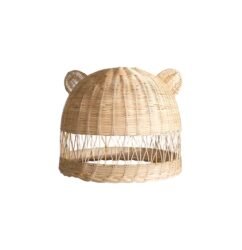
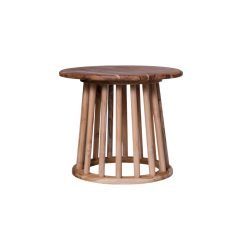

In recent years, consumer awareness about environmental sustainability has grown significantly. People are becoming more mindful of the products they purchase, paying closer attention to how materials are sourced, how goods are manufactured, and how they impact the environment. This shift has given rise to what many call the era of eco-conscious consumers. In this context, rattan manufacturing has gained renewed relevance, as it offers a natural, sustainable alternative to many conventional materials used in furniture and home décor.

Growing Demand for Sustainable Products
Eco-conscious consumers increasingly prefer products that are environmentally friendly, responsibly sourced, and ethically produced. Furniture made from synthetic materials or slow-growing hardwoods is often criticized for its environmental impact. As a result, consumers are actively searching for alternatives that reduce ecological damage.
Rattan products have become an attractive option in this market. As a fast-growing natural material, rattan can be harvested sustainably without destroying forest ecosystems. This makes rattan furniture and decorative items appealing to consumers who want to support environmentally responsible industries.
Natural Material with Environmental Advantages
Rattan is considered one of the most sustainable materials used in furniture manufacturing. Unlike many types of wood, rattan grows quickly and regenerates naturally in tropical forests. Harvesting rattan typically does not require cutting down trees, which helps preserve forest biodiversity.
In addition, rattan products are biodegradable and have a lower environmental footprint compared to plastic or metal alternatives. These characteristics make rattan an ideal material for consumers who prioritize sustainable living and eco-friendly home design.
Transparency and Ethical Production
Modern eco-conscious consumers are also interested in how products are made and who produces them. Transparency in manufacturing processes has become an important factor in purchasing decisions. Many consumers want to ensure that the products they buy are produced under fair labor conditions and responsible environmental practices.
Rattan manufacturers are increasingly responding to this demand by adopting sustainable production methods, reducing waste, and supporting ethical labor practices. By maintaining transparency in sourcing and manufacturing, companies can build stronger trust with environmentally aware customers.
Innovation in Sustainable Design
The rise of eco-conscious consumers has also encouraged innovation in rattan product design. Manufacturers are now combining traditional craftsmanship with modern design concepts to create furniture and home décor that meets contemporary aesthetic preferences.
Minimalist designs, multifunctional furniture, and lightweight structures are becoming popular in global markets. By adapting to modern design trends while maintaining sustainability, rattan manufacturers can appeal to a broader audience of environmentally responsible consumers.
The Role of Branding and Consumer Education
Educating consumers about the benefits of rattan is another important aspect of success in the eco-conscious market. Many buyers may not fully understand the environmental advantages of rattan compared to other materials.
Through effective branding, storytelling, and marketing strategies, manufacturers can highlight the sustainability, craftsmanship, and cultural heritage behind rattan products. This approach not only increases product value but also strengthens consumer appreciation for natural materials.
Challenges and Future Opportunities
Despite its advantages, the rattan industry still faces challenges in the eco-conscious marketplace. Competition from synthetic materials, inconsistent supply chains, and the need for international sustainability certifications can create obstacles for manufacturers.
However, these challenges also present opportunities for improvement. By investing in sustainable harvesting practices, improving quality standards, and strengthening environmental certifications, rattan manufacturers can position themselves as leaders in sustainable furniture production.
Conclusion
In the era of eco-conscious consumers, rattan manufacturing has a unique opportunity to thrive as a sustainable and environmentally responsible industry. The natural properties of rattan, combined with traditional craftsmanship and modern innovation, make it well suited to meet the demands of today’s environmentally aware market.
By continuing to prioritize sustainability, transparency, and high-quality design, rattan manufacturers can strengthen their position in global markets while contributing to environmental protection and responsible production practices.