
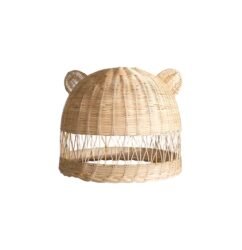
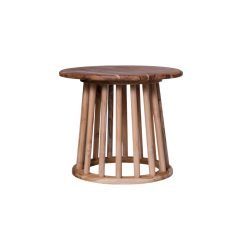

Rattan manufacturing companies have long played an important role in the global furniture and handicraft market. With increasing international demand for natural, eco-friendly, and aesthetically appealing products, rattan manufacturers have significant opportunities to expand their reach beyond domestic markets. However, entering and succeeding in international trade requires careful planning and effective export strategies. By developing strong export approaches, rattan manufacturing companies can increase competitiveness, build global partnerships, and achieve sustainable business growth.

Understanding International Market Demand
The first step in developing a successful export strategy is understanding international market demand. Different regions have varying preferences when it comes to furniture design, product functionality, and material use. For example, consumers in Europe and North America often prioritize sustainability, minimalist design, and product durability.
Rattan manufacturers must conduct market research to identify which products are most suitable for specific markets. Understanding consumer trends, design preferences, and regulatory requirements allows companies to adapt their products and marketing strategies effectively.
Ensuring Product Quality and Standards
International buyers expect high levels of product quality and consistency. Therefore, rattan manufacturing companies must implement strong quality control systems throughout the production process. This includes proper raw material selection, careful craftsmanship, and strict inspection procedures before export.
In addition, companies must comply with international standards related to product safety, environmental practices, and packaging. Meeting these standards not only improves product reliability but also builds trust with international distributors and retailers.
Building Strong Branding and Product Identity
Branding plays a crucial role in international markets. Rattan manufacturers should develop a strong brand identity that highlights the unique value of their products. This may include emphasizing craftsmanship, sustainability, cultural heritage, or innovative design.
Clear branding helps companies differentiate themselves from competitors. High-quality product photography, professional catalogs, and well-designed websites can also strengthen brand credibility and attract international buyers.
Participating in International Trade Shows
Trade exhibitions and international furniture fairs are effective platforms for promoting rattan products to global markets. These events allow manufacturers to showcase their products directly to buyers, distributors, and industry professionals.
By participating in international trade shows, companies can build valuable business relationships, gain market insights, and explore new export opportunities. Direct interaction with buyers also helps manufacturers understand customer expectations and adapt their products accordingly.
Establishing Reliable Distribution Channels
Successful export strategies require strong distribution networks. Rattan manufacturing companies often work with international wholesalers, retailers, or furniture distributors to reach target markets efficiently.
Establishing long-term partnerships with reliable distributors helps ensure smooth product delivery, effective marketing, and consistent market presence. In some cases, manufacturers may also collaborate with interior designers, hospitality projects, or online marketplaces to expand their global reach.
Improving Logistics and Supply Chain Management
Efficient logistics and supply chain management are essential for export success. Rattan furniture can be bulky and delicate, so proper packaging and shipping arrangements are necessary to prevent damage during transportation.
Manufacturers must also manage shipping schedules, customs documentation, and export regulations carefully. Working with experienced logistics partners can help streamline the export process and reduce potential delays or complications.
Leveraging Digital Marketing and E-Commerce
In the modern global market, digital marketing has become a powerful tool for export promotion. Rattan manufacturers can use websites, social media platforms, and online marketplaces to reach international audiences.
Professional online catalogs, virtual showrooms, and digital marketing campaigns allow companies to showcase their products to potential buyers worldwide. E-commerce platforms also enable direct sales to international customers, expanding business opportunities beyond traditional distribution channels.
Conclusion
Export strategies are essential for rattan manufacturing companies seeking to compete in the global marketplace. By understanding international demand, maintaining high product quality, building strong branding, and developing reliable distribution networks, manufacturers can successfully expand their presence in global markets.
As interest in sustainable and natural products continues to grow, rattan manufacturers have a strong opportunity to position themselves as leading suppliers in the international furniture industry. With well-planned export strategies, the rattan manufacturing sector can achieve long-term growth while promoting environmentally responsible products around the world.