
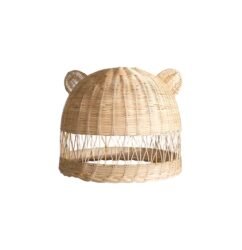

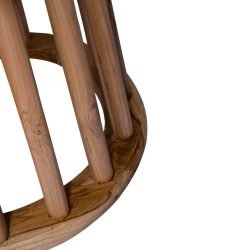

Rattan manufacturing is a fascinating process that transforms a natural forest material into functional and decorative products used around the world. From furniture and baskets to home décor and accessories, rattan products are valued for their durability, flexibility, and natural aesthetic. Behind these products is a detailed manufacturing process that involves several stages, from harvesting raw materials to producing finished goods ready for the market.

Harvesting the Raw Material
The rattan manufacturing process begins in tropical forests where rattan plants grow naturally. Rattan is a climbing palm that thrives in humid environments and can grow to significant lengths. Harvesters carefully select mature rattan stems to ensure optimal strength and flexibility.
Unlike hardwood trees, rattan can be harvested without destroying the surrounding forest ecosystem. The stems are cut and collected while allowing the plant to continue growing, making rattan a renewable and environmentally friendly resource.
Cleaning and Initial Processing
After harvesting, the raw rattan stems are transported to processing facilities where they undergo initial preparation. The outer skin of the rattan may be cleaned to remove dirt, thorns, and rough surfaces. This step ensures that the material is safe and suitable for further processing.
The rattan is then sorted according to size, thickness, and quality. High-quality stems are typically used for furniture frames, while thinner or more flexible pieces may be used for weaving or decorative components.
Drying and Preservation
Proper drying is a critical stage in rattan manufacturing. Freshly harvested rattan contains moisture that must be reduced to prevent mold, cracking, or insect damage. The rattan is usually dried under controlled conditions, either through natural air-drying or specialized drying equipment.
In some cases, preservation treatments are applied to improve durability and resistance to pests. These treatments help ensure that the finished products remain strong and long-lasting, even when used in various environmental conditions.
Shaping and Frame Construction
Once the rattan has been dried and prepared, it can be shaped into the structural components of furniture and other products. Skilled workers heat or steam the rattan to make it more flexible, allowing it to be bent into desired shapes.
These shaped pieces are then assembled into frames for chairs, tables, sofas, and other items. Precision and craftsmanship are essential during this stage to ensure structural stability and product durability.
Weaving and Assembly
After the main frame has been constructed, artisans begin the weaving process. Thin rattan strands or rattan peel are woven around the frame to create the seating surface or decorative elements of the product.
Weaving requires a high level of skill and patience. The artisan must maintain consistent tension and pattern alignment to produce a strong and visually appealing design. This stage is where many rattan products gain their unique artistic character.
Finishing and Quality Control
The final stage of rattan manufacturing involves finishing and quality inspection. Products may be sanded to create a smooth surface before being coated with protective finishes such as varnish, lacquer, or eco-friendly coatings. These finishes enhance both durability and appearance.
Quality control teams then inspect each product to ensure it meets manufacturing standards. They check for structural strength, consistent weaving patterns, and overall product quality before the items are packaged for distribution.
Conclusion
Rattan manufacturing is a complex process that combines natural materials, skilled craftsmanship, and careful production techniques. From harvesting raw rattan in tropical forests to shaping, weaving, and finishing the final product, each step plays an important role in creating durable and beautiful items.
This process not only highlights the versatility of rattan as a material but also demonstrates the importance of skilled labor and sustainable resource management. As demand for natural and eco-friendly products continues to grow, rattan manufacturing remains an important industry that connects traditional craftsmanship with modern global markets.