


As global awareness of environmental sustainability continues to grow, many industries are searching for alternatives to traditional materials that contribute to deforestation and environmental degradation. In the furniture industry, rattan has emerged as one of the most promising sustainable alternatives to wood. With its rapid growth cycle, renewable nature, and minimal environmental impact, rattan manufacturing offers an environmentally responsible solution for producing durable and aesthetically appealing furniture.
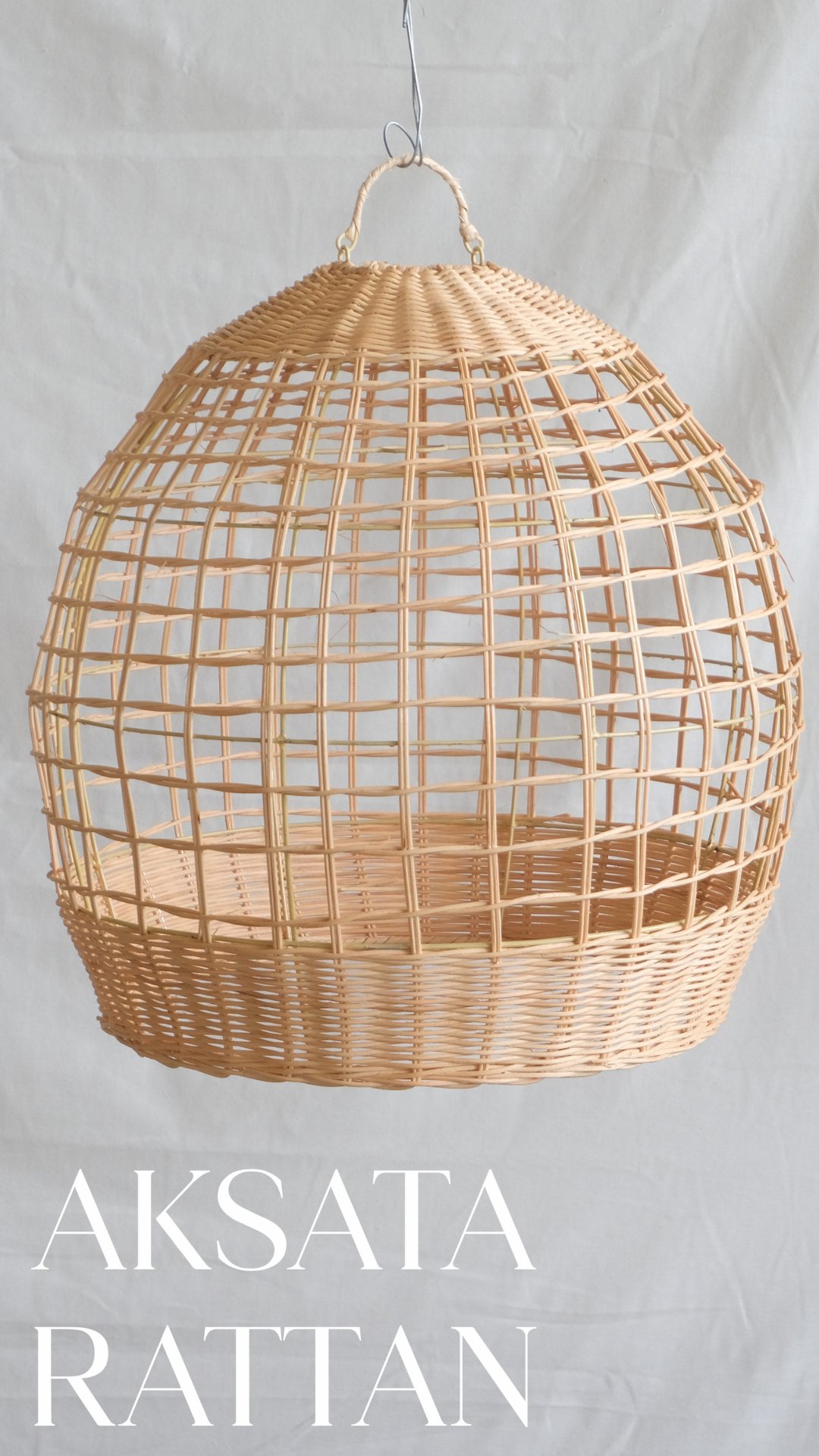
Understanding Rattan as a Natural Resource
Rattan is a type of climbing palm that grows naturally in tropical forests, particularly in regions of Southeast Asia. Unlike hardwood trees that require decades to reach maturity, rattan grows relatively quickly and can be harvested within a few years. This rapid growth cycle allows rattan to regenerate naturally without the need for extensive replanting.
In addition, harvesting rattan does not require cutting down large trees. Since rattan grows as a vine that climbs on existing trees, it can be collected while leaving the surrounding forest ecosystem largely intact. This makes rattan a more sustainable resource compared to traditional timber.
Reducing Pressure on Forest Resources
The increasing demand for wood-based furniture has contributed to deforestation in many parts of the world. By using rattan as an alternative material, manufacturers can reduce the pressure on hardwood forests. Rattan provides similar functional benefits to wood while requiring significantly fewer natural resources for production.
Because rattan grows naturally in forest environments, its commercial value can also encourage the protection of forest areas. Communities that rely on rattan harvesting often have an incentive to maintain forest ecosystems rather than converting them into agricultural or industrial land.
Environmental Benefits of Rattan Manufacturing
Rattan manufacturing generally has a lower environmental impact compared to wood processing. Producing wooden furniture often involves heavy machinery, extensive cutting, and energy-intensive processing. In contrast, rattan furniture production typically requires less energy and fewer industrial processes.
Many stages of rattan manufacturing, such as weaving and assembly, rely on manual craftsmanship rather than large-scale mechanical production. This not only reduces energy consumption but also helps preserve traditional artisanal skills.
Additionally, rattan is biodegradable and can be recycled or repurposed at the end of its product life cycle, further reducing environmental waste.
Strength, Flexibility, and Durability
Rattan offers several physical properties that make it a strong alternative to wood. It is lightweight yet durable, and its natural flexibility allows it to be bent and shaped into a wide variety of furniture designs. When treated and maintained properly, rattan furniture can last for many years.
The flexibility of rattan also enables manufacturers to create curved frames and intricate designs that are difficult to achieve with solid wood. This design versatility makes rattan attractive to furniture designers and manufacturers who want to produce both functional and visually appealing products.
Supporting Sustainable Economic Development
Rattan manufacturing not only benefits the environment but also supports local economies. In many tropical countries, the rattan industry provides employment opportunities for rural communities involved in harvesting, processing, and furniture production.
By promoting the use of renewable natural materials, rattan manufacturing supports a more sustainable economic model that balances environmental conservation with economic development.
Growing Demand for Sustainable Furniture
Consumer preferences are increasingly shifting toward sustainable and eco-friendly products. Many buyers are now looking for furniture made from natural and renewable materials that have a smaller environmental footprint.
Rattan furniture meets these expectations by combining sustainability with aesthetic appeal. Its natural texture, warm appearance, and lightweight structure make it suitable for both indoor and outdoor environments.
As a result, rattan manufacturing is gaining recognition as a responsible and attractive alternative to traditional wood-based furniture production.
Conclusion
Rattan manufacturing offers a sustainable alternative to wood in the furniture industry. Its renewable nature, lower environmental impact, and design flexibility make it an ideal material for environmentally conscious production. By reducing pressure on hardwood forests and supporting sustainable economic development, rattan plays an important role in promoting environmentally responsible furniture manufacturing. As the demand for sustainable products continues to grow, rattan is likely to become an increasingly important material in the global furniture market.