
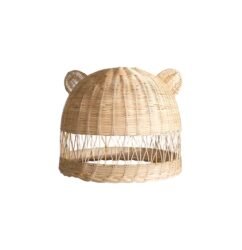
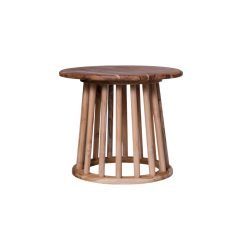
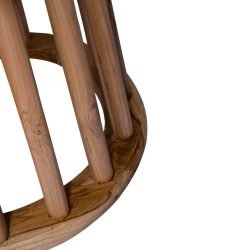

Rattan manufacturing plays an important role in the global furniture industry, especially in the production of indoor and outdoor furniture. Known for its natural appearance, durability, and flexibility, rattan has become a popular material for furniture used in homes, hotels, restaurants, and recreational spaces. Through a combination of traditional craftsmanship and modern production techniques, rattan manufacturers are able to create furniture that is both functional and aesthetically appealing for various environments.
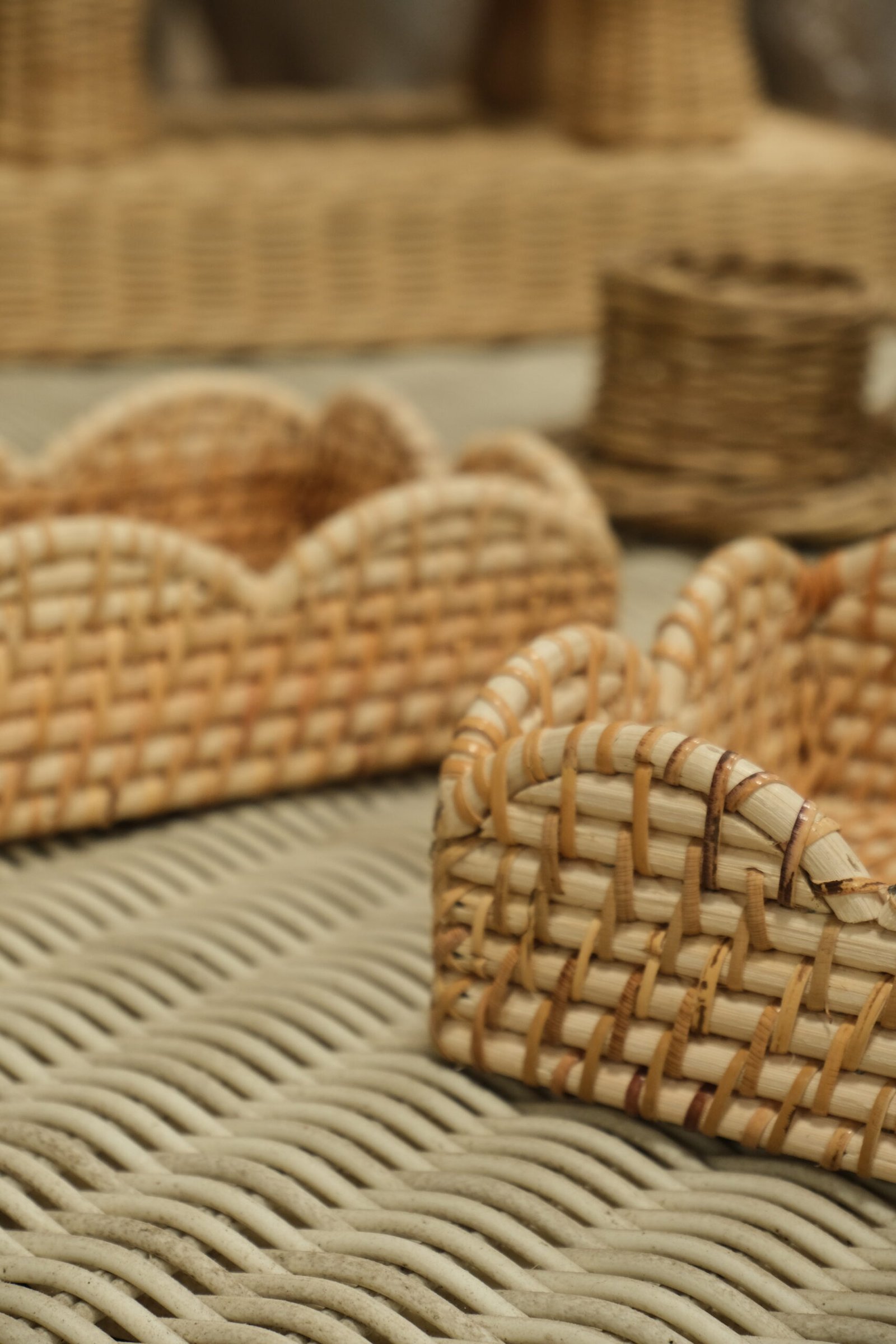
Characteristics of Rattan as a Furniture Material
Rattan is a natural material derived from climbing palm plants that grow in tropical forests. It is widely appreciated for its strength, flexibility, and lightweight structure. These characteristics make rattan an ideal material for furniture manufacturing.
Unlike many rigid materials, rattan can be bent and shaped easily when heated or steamed. This flexibility allows manufacturers to create curved frames and unique designs without compromising the strength of the furniture. In addition, rattan furniture is relatively lightweight, making it easy to move and rearrange.
Another advantage of rattan is its natural texture and warm appearance, which can enhance the visual appeal of interior and exterior spaces.
Rattan Furniture for Indoor Use
Rattan furniture is widely used in indoor spaces because of its natural aesthetic and comfortable design. In living rooms, rattan chairs, sofas, and coffee tables create a warm and inviting atmosphere. The woven patterns and organic textures of rattan furniture add character and visual interest to interior spaces.
Indoor rattan furniture is often used in interior design styles that emphasize natural materials, such as Scandinavian, bohemian, tropical, and minimalist designs. Designers frequently combine rattan with cushions, fabrics, and wooden elements to create comfortable and stylish furniture.
In addition to living room furniture, rattan is also commonly used for bedroom furniture, dining chairs, lighting fixtures, and decorative accessories.
Rattan Furniture for Outdoor Use
Rattan manufacturing also plays an important role in the production of outdoor furniture. Outdoor rattan furniture is commonly found in patios, gardens, balconies, resorts, and poolside areas. Its lightweight structure makes it convenient for outdoor arrangements and flexible space usage.
To improve durability for outdoor environments, manufacturers often apply protective coatings or finishes that help protect rattan from moisture, sunlight, and temperature changes. In some cases, natural rattan frames are combined with synthetic rattan weaving to enhance weather resistance.
Outdoor rattan furniture is designed to provide both comfort and durability while maintaining an attractive natural appearance that blends well with outdoor landscapes.
Manufacturing Process for Indoor and Outdoor Furniture
The manufacturing process for rattan furniture involves several stages, including material selection, treatment, shaping, weaving, assembly, and finishing. For both indoor and outdoor furniture, manufacturers carefully select high-quality rattan canes that are strong and free from defects.
The rattan is cleaned, dried, and treated to prevent mold, insects, and structural damage. After preparation, the rattan canes are cut and shaped into furniture frames using heat or steam bending techniques. Skilled craftsmen then weave thin rattan strips around the frame to create seating surfaces and decorative patterns.
Finally, the furniture is sanded and finished with protective coatings to enhance durability and improve its visual appearance.
Balancing Durability and Design
One of the key challenges in rattan manufacturing is balancing durability with design aesthetics. Indoor furniture typically focuses on comfort and decorative appeal, while outdoor furniture requires additional protection against environmental factors.
Manufacturers address this challenge by combining natural rattan with modern finishing techniques and innovative design solutions. This approach ensures that rattan furniture can meet the practical needs of different environments while maintaining its natural beauty.
Conclusion
Rattan manufacturing plays a significant role in producing furniture for both indoor and outdoor environments. Its natural flexibility, lightweight structure, and aesthetic appeal make rattan an ideal material for a wide range of furniture designs. Through careful material selection, skilled craftsmanship, and modern manufacturing techniques, rattan furniture continues to meet the growing demand for functional, sustainable, and visually appealing furniture in homes and commercial spaces around the world.