

As global awareness of environmental issues continues to increase, consumers and industries are placing greater emphasis on sustainability. The furniture industry, in particular, has begun to explore environmentally responsible materials and production methods. One of the most promising materials in this movement is rattan. Through innovative manufacturing techniques, rattan is being transformed into eco-friendly furniture that meets modern design standards while supporting environmental conservation.
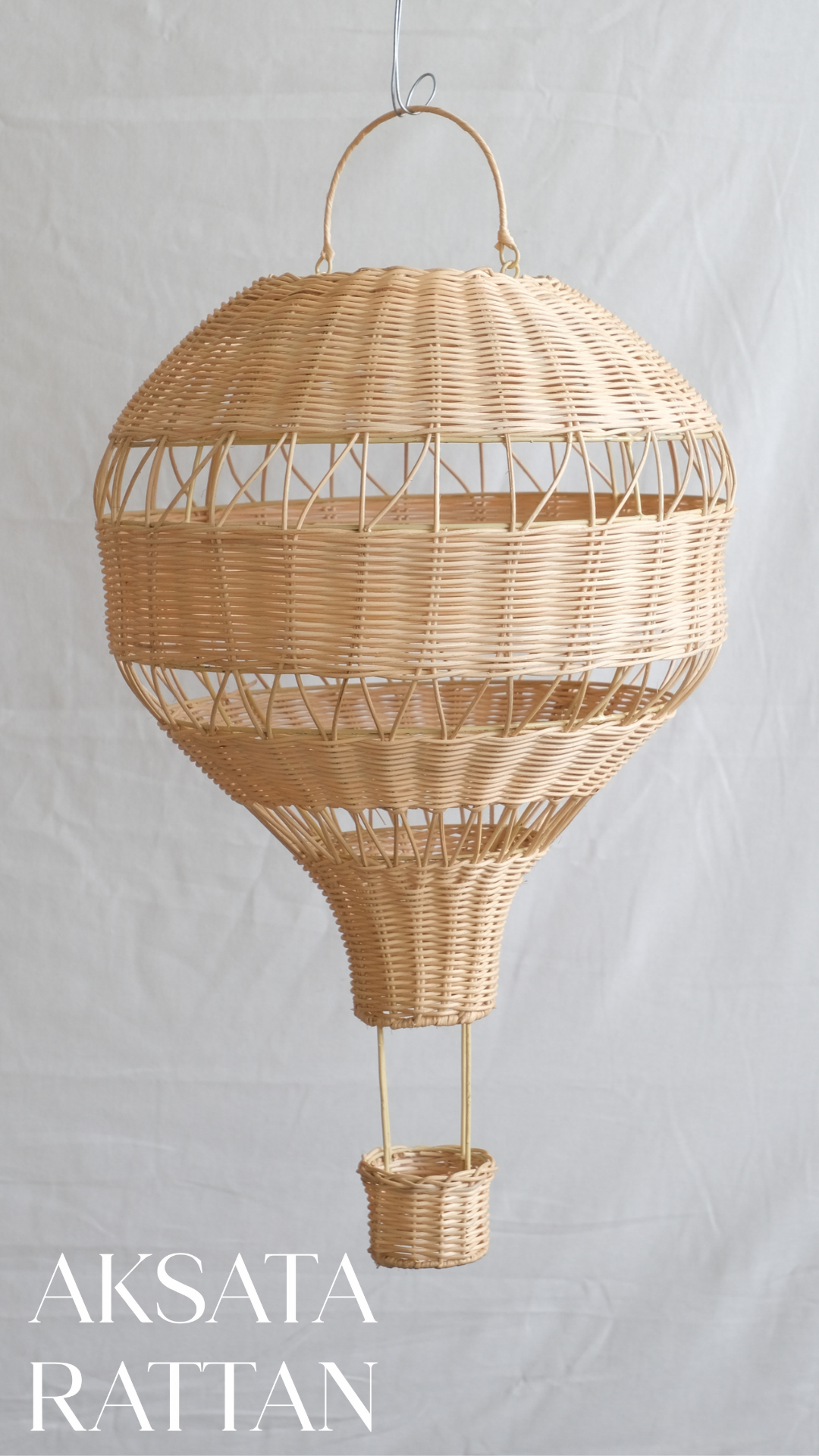
Rattan as a Sustainable Natural Material
Rattan is widely recognized as a sustainable material due to its rapid growth and renewable nature. Unlike hardwood trees that may take decades to mature, rattan can grow relatively quickly and can be harvested without causing significant damage to forest ecosystems. Rattan grows as a climbing palm in tropical forests, meaning that harvesting it does not require cutting down large trees.
Because of these characteristics, rattan is considered an environmentally friendly alternative to materials that require extensive deforestation or energy-intensive manufacturing processes. Its natural flexibility and durability make it ideal for producing a wide range of furniture products.
Innovative Manufacturing Techniques
Modern innovations in rattan manufacturing have significantly improved the efficiency and sustainability of production processes. Advanced drying technologies, such as controlled kiln drying, allow manufacturers to reduce moisture content in rattan more efficiently while minimizing waste.
In addition, modern treatment methods help protect rattan from insects and environmental damage without relying heavily on harmful chemicals. Many manufacturers are now adopting eco-friendly preservatives and water-based finishes that reduce environmental impact while maintaining the durability of the furniture.
Technology has also enabled more precise cutting and shaping of rattan materials. Automated machinery and digital design tools allow manufacturers to optimize material usage, reducing waste and improving production efficiency.
Waste Reduction and Resource Efficiency
Another important aspect of eco-friendly rattan manufacturing is the efficient use of raw materials. Innovative production systems allow manufacturers to utilize almost every part of the rattan cane. Larger sections are typically used for furniture frames, while smaller pieces can be processed into woven components or decorative elements.
Leftover materials can also be repurposed into smaller products such as baskets, home accessories, or handicrafts. This approach minimizes production waste and maximizes the value of each harvested rattan plant.
Supporting Sustainable Forest Management
Eco-friendly rattan manufacturing also contributes to sustainable forest management. Since rattan grows naturally in tropical forests, maintaining healthy forests is essential for long-term rattan production. This encourages local communities and industries to protect forest ecosystems rather than clearing them for other forms of land use.
By supporting forest conservation, rattan harvesting can play a positive role in preserving biodiversity and maintaining ecological balance in tropical regions.
Meeting Global Demand for Sustainable Products
Consumers around the world are increasingly interested in purchasing products that reflect their environmental values. Eco-friendly furniture made from natural materials such as rattan aligns with the growing demand for sustainable home furnishings.
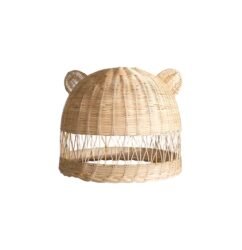
Hotels, resorts, restaurants, and residential consumers are increasingly incorporating rattan furniture into their interior and exterior designs. Its natural appearance, lightweight structure, and durability make it both practical and aesthetically appealing.
Combining Sustainability with Modern Design
Innovative rattan manufacturing not only focuses on sustainability but also embraces modern design trends. Designers are combining traditional weaving techniques with contemporary styles to create furniture that is both environmentally responsible and visually attractive.
Through creative design and technological innovation, rattan furniture can meet the expectations of modern consumers while maintaining its natural and sustainable qualities.
Conclusion
Eco-friendly furniture produced through innovative rattan manufacturing demonstrates how natural materials and modern technology can work together to support sustainability. Rattan’s renewable nature, combined with improved manufacturing techniques and responsible resource management, makes it an ideal material for environmentally conscious furniture production. As global demand for sustainable products continues to grow, innovative rattan manufacturing will play an increasingly important role in shaping the future of eco-friendly furniture.