





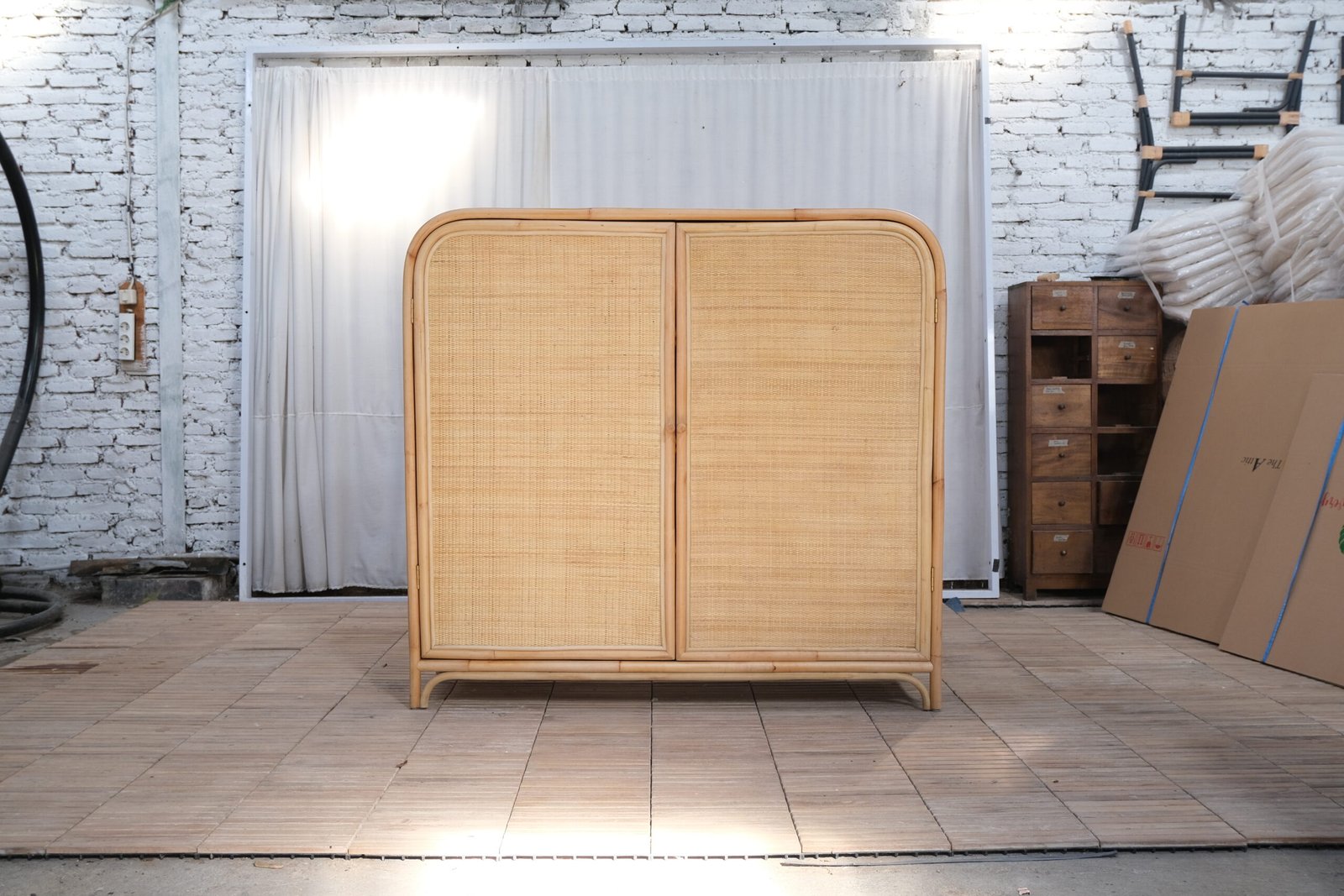
Sustainability has become an important issue in many global industries, including furniture and handicraft manufacturing. As environmental awareness continues to grow, both producers and consumers are paying closer attention to how materials are sourced and processed. Rattan manufacturing is often considered one of the more environmentally friendly sectors within the furniture industry because rattan is a renewable natural resource. However, sustainable practices are still necessary to ensure that rattan production supports environmental conservation, economic stability, and social responsibility.
Sustainable Harvesting of Rattan
One of the key aspects of sustainability in rattan manufacturing begins with responsible harvesting practices. Rattan is a climbing palm that grows naturally in tropical forests, and unlike hardwood trees, it does not require large-scale logging to be harvested. When harvested properly, rattan can regenerate relatively quickly.
Sustainable harvesting involves selecting mature rattan canes while allowing younger plants to continue growing. Harvesters must avoid excessive cutting that could damage the forest ecosystem. In many regions, local communities and forestry organizations work together to manage rattan resources and ensure that harvesting activities follow environmental guidelines.
Forest Conservation and Biodiversity Protection
Rattan harvesting can contribute positively to forest conservation. Because rattan grows naturally in tropical forests, maintaining healthy forests is essential for continuous rattan production. This encourages communities and industries to protect forest ecosystems rather than converting them into agricultural land or other forms of development.
By supporting forest preservation, sustainable rattan harvesting also helps protect biodiversity. Tropical forests are home to numerous plant and animal species, and responsible rattan management helps maintain the ecological balance of these habitats.
Eco-Friendly Processing Methods
Sustainability in rattan manufacturing also involves environmentally responsible processing techniques. Traditional rattan processing often uses natural drying methods, such as sun drying, which reduces energy consumption. In modern manufacturing facilities, energy-efficient drying systems and water recycling processes are increasingly being implemented.
Manufacturers are also exploring alternatives to harmful chemicals used in preservation and finishing processes. Eco-friendly treatments and low-toxicity coatings are being introduced to reduce environmental impact while maintaining product durability and quality.
Waste Reduction and Material Efficiency
Another important sustainable practice in rattan manufacturing is minimizing waste during production. Rattan processing often produces leftover pieces and smaller fibers that might otherwise be discarded. Many manufacturers now reuse these materials to create smaller products such as baskets, decorative items, or woven accessories.
This approach improves material efficiency and reduces waste generated during the production process. In addition, some companies are adopting recycling practices that convert unused rattan fibers into composite materials or other environmentally friendly products.
Supporting Local Communities
Sustainable rattan manufacturing also has a strong social dimension. In many countries, especially in Southeast Asia, rattan production provides livelihoods for rural communities. From harvesting to weaving and furniture assembly, many stages of the rattan supply chain rely on local labor and traditional skills.
By promoting fair wages, safe working conditions, and skill development programs, the rattan industry can support community welfare and long-term economic stability. Ethical sourcing and fair trade initiatives are increasingly important in ensuring that local communities benefit from the global demand for rattan products.
Growing Demand for Sustainable Furniture
Consumer demand for sustainable and environmentally friendly products is growing worldwide. Many buyers are now seeking furniture made from natural, renewable materials that have a lower environmental impact. Rattan furniture fits well within this trend because it is lightweight, biodegradable, and produced from a renewable resource.
As a result, manufacturers that adopt sustainable practices are more likely to gain recognition in international markets. Sustainability certifications and eco-labeling also help build trust with environmentally conscious consumers.
Conclusion
Sustainable practices in rattan manufacturing are essential for protecting natural resources while supporting economic development and community welfare. Responsible harvesting, forest conservation, eco-friendly processing, waste reduction, and social responsibility all contribute to a more sustainable rattan industry. As global awareness of environmental issues continues to increase, adopting sustainable practices will not only benefit the environment but also strengthen the long-term competitiveness of rattan manufacturers in international markets.