
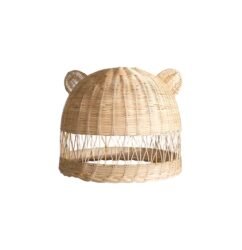
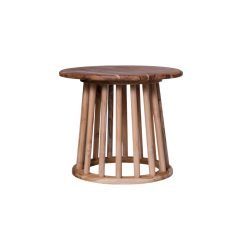


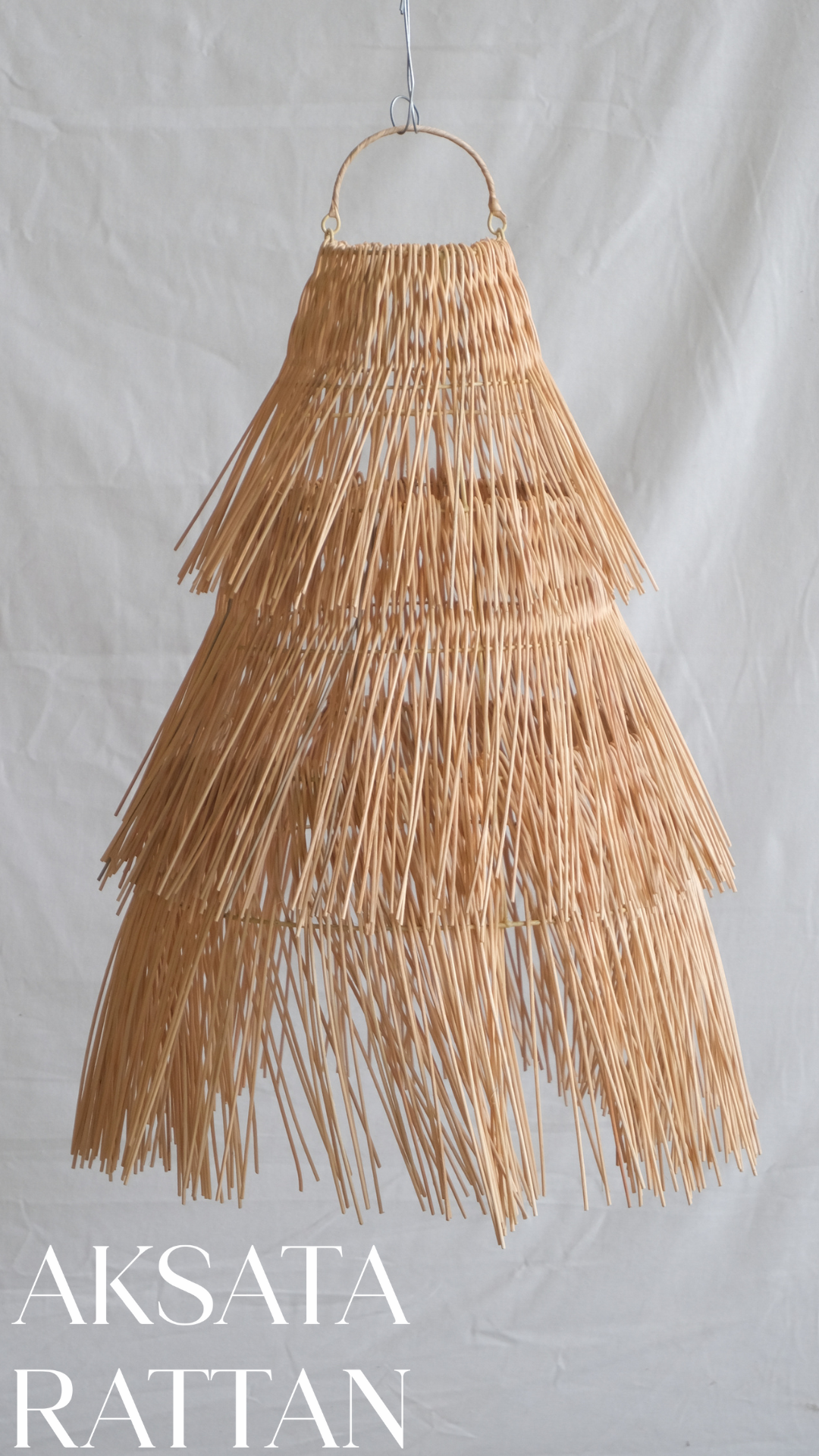
In recent years, rattan manufacturing has experienced significant growth in international markets. As global consumers become more conscious of sustainability, natural materials, and environmentally friendly production methods, rattan has emerged as a highly desirable material in the furniture and home décor industries. Its unique characteristics, combined with growing demand for eco-friendly products, have contributed to the expansion of rattan manufacturing across many regions of the world.
Increasing Demand for Sustainable Materials
One of the main reasons behind the growth of rattan manufacturing is the increasing demand for sustainable and renewable materials. Unlike many hardwood trees that require decades to mature, rattan grows relatively quickly and can be harvested without causing extensive damage to forests. Because it grows as a climbing palm, rattan harvesting does not require large-scale deforestation.
Consumers, especially in Europe and North America, are becoming more environmentally conscious and prefer products made from renewable resources. Rattan furniture is often viewed as a sustainable alternative to plastic or heavy wooden furniture, which makes it attractive to environmentally aware buyers.
Rising Popularity of Natural and Minimalist Design
Interior design trends have also played a significant role in boosting the international market for rattan products. Modern design movements increasingly emphasize natural textures, organic materials, and minimalist aesthetics. Rattan furniture fits perfectly within popular design styles such as Scandinavian, bohemian, coastal, and tropical interiors.
The light color, woven patterns, and natural appearance of rattan create a warm and relaxing atmosphere in homes, cafes, and hotels. As a result, many interior designers and architects incorporate rattan furniture into residential and commercial spaces.
Versatility and Lightweight Structure
Rattan is known for its flexibility and strength, making it an ideal material for various types of furniture and decorative products. Manufacturers can easily bend and shape rattan using heat or steam, allowing them to create unique curves and intricate designs that are difficult to achieve with rigid materials.
Another advantage of rattan is its lightweight structure. Compared to solid wood furniture, rattan furniture is easier to move and transport, which makes it more convenient for both consumers and distributors. This feature is particularly valuable in international trade, where transportation efficiency is an important consideration.
Growth of the Global Furniture Market
The overall growth of the global furniture industry has also contributed to the rising demand for rattan products. As urban populations increase and housing development expands, more people are purchasing furniture for homes, apartments, and commercial spaces.
Rattan furniture is widely used not only in homes but also in hotels, resorts, restaurants, and outdoor recreational spaces. Its durability and aesthetic appeal make it suitable for both indoor and outdoor environments.
Strong Production Base in Southeast Asia
Another factor supporting the growth of rattan manufacturing is the strong production base in Southeast Asia. Countries such as Indonesia have abundant rattan resources and long traditions of craftsmanship in rattan furniture production. Skilled artisans and established supply chains enable these countries to produce high-quality rattan products that meet international standards.
The combination of natural resources, skilled labor, and export-oriented industries allows manufacturers to supply large volumes of rattan furniture to global markets.
Expansion Through E-Commerce and Global Trade
The rise of e-commerce platforms and digital marketplaces has made it easier for rattan manufacturers to reach international customers. Small and medium-sized manufacturers can now promote and sell their products globally through online platforms, social media, and international trade networks.
This digital transformation has opened new opportunities for rattan businesses to expand beyond traditional export markets and connect directly with consumers around the world.
Conclusion
The growth of rattan manufacturing in international markets is driven by several important factors, including increasing environmental awareness, popular interior design trends, the versatility of rattan as a material, and the expansion of the global furniture industry. Supported by strong production capabilities in Southeast Asia and the rise of digital commerce, rattan products continue to gain recognition worldwide. As consumers increasingly prioritize sustainability and natural materials, the demand for rattan furniture and related products is expected to grow even further in the future.