
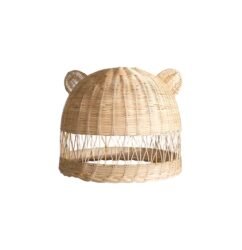
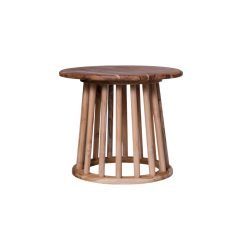


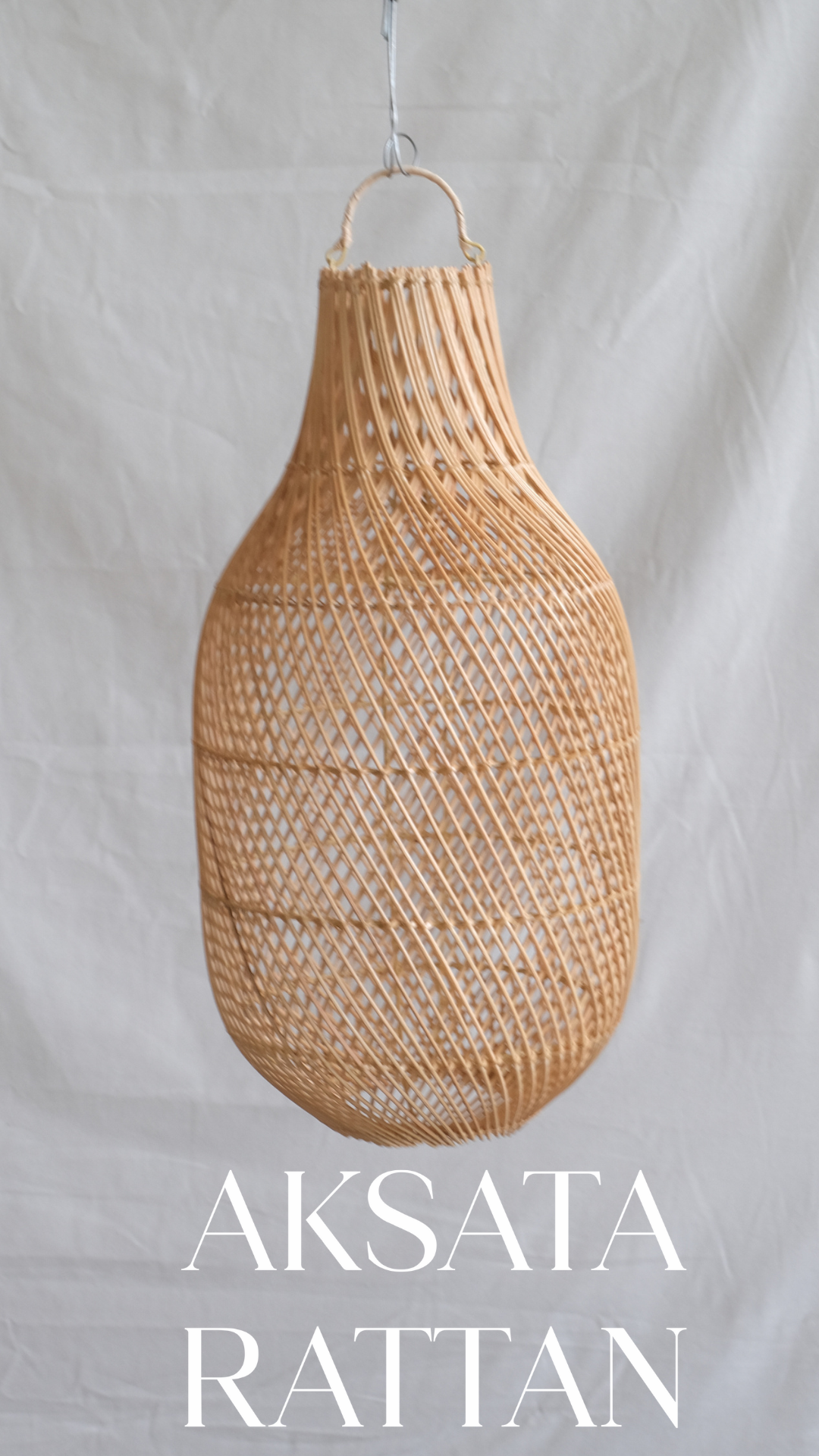
Rattan has long been recognized as one of the most versatile natural materials used in furniture production. Known for its flexibility, durability, and lightweight structure, rattan is widely utilized in the manufacture of chairs, tables, baskets, and decorative items. Unlike hardwood timber, rattan grows as a climbing palm in tropical forests and can be harvested more sustainably due to its relatively fast growth cycle. The journey of rattan from the forest to a finished piece of furniture involves several carefully managed stages, including harvesting, processing, treatment, shaping, and finishing.
1. Harvesting Rattan from the Forest
The manufacturing process begins with the harvesting of rattan from tropical forests, primarily in Southeast Asian countries such as Indonesia, Malaysia, and the Philippines. Skilled harvesters locate mature rattan canes, which can grow up to hundreds of meters long while climbing trees in the forest canopy.
Once identified, the rattan is cut near its base using machetes or specialized cutting tools. The canes are then carefully pulled down from surrounding vegetation to avoid damage. After harvesting, the leaves, spines, and outer sheaths are removed to prepare the raw rattan for transportation. The harvested canes are bundled and transported to processing facilities or local workshops.
2. Cleaning and Initial Processing
Upon arrival at the processing facility, the rattan undergoes cleaning and initial preparation. This stage involves removing remaining dirt, bark, and irregular outer layers. Workers may wash the rattan to eliminate debris and organic residue.
The canes are then sorted based on diameter, length, and quality. High-quality rattan is usually straight, smooth, and free from cracks. Sorting is essential because different furniture components require different rattan sizes and strengths.
3. Drying and Seasoning
Drying is a crucial step in preventing mold growth and improving the durability of rattan. Traditionally, rattan is sun-dried for several days to reduce its moisture content. In modern facilities, controlled kiln drying may also be used to accelerate the process while ensuring uniform moisture levels.
Proper seasoning helps stabilize the rattan fibers, making them stronger and less prone to warping or splitting during later stages of manufacturing.
4. Treatment and Preservation
To ensure longevity and resistance to pests, rattan is treated with preservation methods. One common technique involves boiling the rattan in a mixture of water and oil, which helps remove natural sugars that attract insects. Chemical treatments may also be applied to protect the material from termites, fungi, and other forms of biological degradation.
After treatment, the rattan is dried again before moving to the shaping stage.
5. Cutting and Shaping
Once properly treated, the rattan canes are cut into specific lengths depending on the furniture design. Skilled craftsmen then shape the rattan using heat or steam to make it more flexible. Steaming softens the fibers, allowing the rattan to be bent into curves and intricate forms without breaking.
During this stage, artisans create frames for furniture such as chairs, sofas, or tables. The natural flexibility of rattan makes it ideal for forming smooth curves and decorative structures.
6. Weaving and Assembly
In many rattan furniture designs, thin rattan strips or synthetic rattan fibers are woven around the main frame. This weaving process creates seating surfaces, backrests, and decorative patterns. The weaving requires precision and craftsmanship to ensure both strength and aesthetic appeal.
After weaving, the various components are assembled using nails, screws, or traditional binding techniques. The assembled structure is inspected to ensure stability and structural integrity.
7. Sanding and Surface Preparation
Before finishing, the furniture undergoes sanding to smooth out rough surfaces and remove imperfections. Sanding ensures that the final product has a clean and refined appearance while also preparing the surface for coatings or paint.
8. Finishing and Coating
The final stage in rattan manufacturing is finishing. Furniture may be coated with varnish, lacquer, or paint to enhance its appearance and protect the material from moisture and wear. Some manufacturers also apply natural stains to highlight the natural color and texture of the rattan.
In outdoor furniture production, additional protective coatings are often applied to improve resistance to sunlight and humidity.
9. Quality Control and Packaging
Before distribution, each piece of rattan furniture undergoes quality inspection. Manufacturers check for structural strength, finishing consistency, and overall craftsmanship. Once approved, the furniture is cleaned, packaged, and prepared for shipping to domestic or international markets.
Conclusion
The manufacturing of rattan furniture is a complex process that combines natural resource management, traditional craftsmanship, and modern production techniques. From the careful harvesting of rattan in tropical forests to the final finishing touches applied in workshops, each stage plays an essential role in producing durable and aesthetically pleasing furniture. As global demand for sustainable materials continues to grow, rattan remains an environmentally friendly alternative that supports both ecological conservation and local craftsmanship industries.