


Introduction
Rattan has long been recognized as one of the most versatile and sustainable natural materials used in furniture production. Traditionally crafted by skilled artisans, rattan furniture has evolved into a global industry that combines heritage craftsmanship with modern manufacturing technologies. As environmental awareness increases and consumers seek sustainable home décor, rattan manufacturing is expected to play a significant role in the future of the global furniture industry.
The Global Demand for Rattan Furniture
In recent years, the demand for rattan furniture has grown steadily across international markets. The global rattan furniture market is projected to experience strong growth, expanding significantly over the next decade as consumers increasingly prefer eco-friendly products. Some projections estimate that the market could grow from around $1.5 billion in 2024 to more than $3.2 billion by 2034, reflecting a compound annual growth rate of about 7.5%.
Several factors drive this demand. First, consumers are increasingly aware of environmental issues and prefer renewable materials such as rattan. Second, interior design trends emphasize natural aesthetics, minimalism, and organic textures, all of which align with rattan furniture’s appearance. Finally, the hospitality industry—including hotels, resorts, and restaurants—continues to adopt rattan furniture to create warm and tropical atmospheres.
Sustainability as a Key Driver
One of the most important reasons for the growing popularity of rattan furniture is its sustainability. Rattan is a rapidly renewable material that grows faster than most hardwood trees and can be harvested without causing major damage to forest ecosystems. As global regulations increasingly favor environmentally friendly materials, rattan offers a clear advantage over traditional wood-based furniture.
Manufacturers are also adopting responsible sourcing practices and certification systems to ensure ethical harvesting and traceability of raw materials. In addition, many companies now use eco-friendly finishes, water-based coatings, and waste-reduction techniques to minimize environmental impact. These initiatives strengthen the reputation of rattan as a green material and make it more attractive to environmentally conscious consumers.
Technological Innovation in Rattan Manufacturing
Although rattan furniture is often associated with traditional craftsmanship, modern manufacturing technologies are transforming the industry. Automation, robotics, and digital design tools are increasingly being integrated into production processes. Automated weaving systems and smart manufacturing technologies help manufacturers improve precision, reduce production time, and maintain consistent product quality.
Digital transformation also allows manufacturers to respond more quickly to global market trends. For example, computer-aided design (CAD) and artificial intelligence can assist in developing new furniture styles and customizing products for specific clients. These technologies enable producers to maintain the artistic value of rattan while increasing production efficiency.
Emerging Design Trends
Design innovation is another factor shaping the future of rattan furniture. Contemporary consumers seek furniture that combines aesthetics, functionality, and flexibility. As a result, several design trends have emerged in the industry.
First, minimalist and organic design styles are becoming increasingly popular. Clean lines and neutral tones highlight the natural texture of rattan and complement modern interior design. Second, modular and multifunctional furniture is gaining popularity, particularly in urban environments where living spaces are limited. Finally, hybrid designs that combine rattan with materials such as teak wood, steel, or aluminum create more durable and modern furniture pieces.
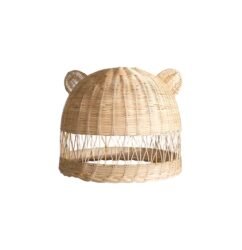
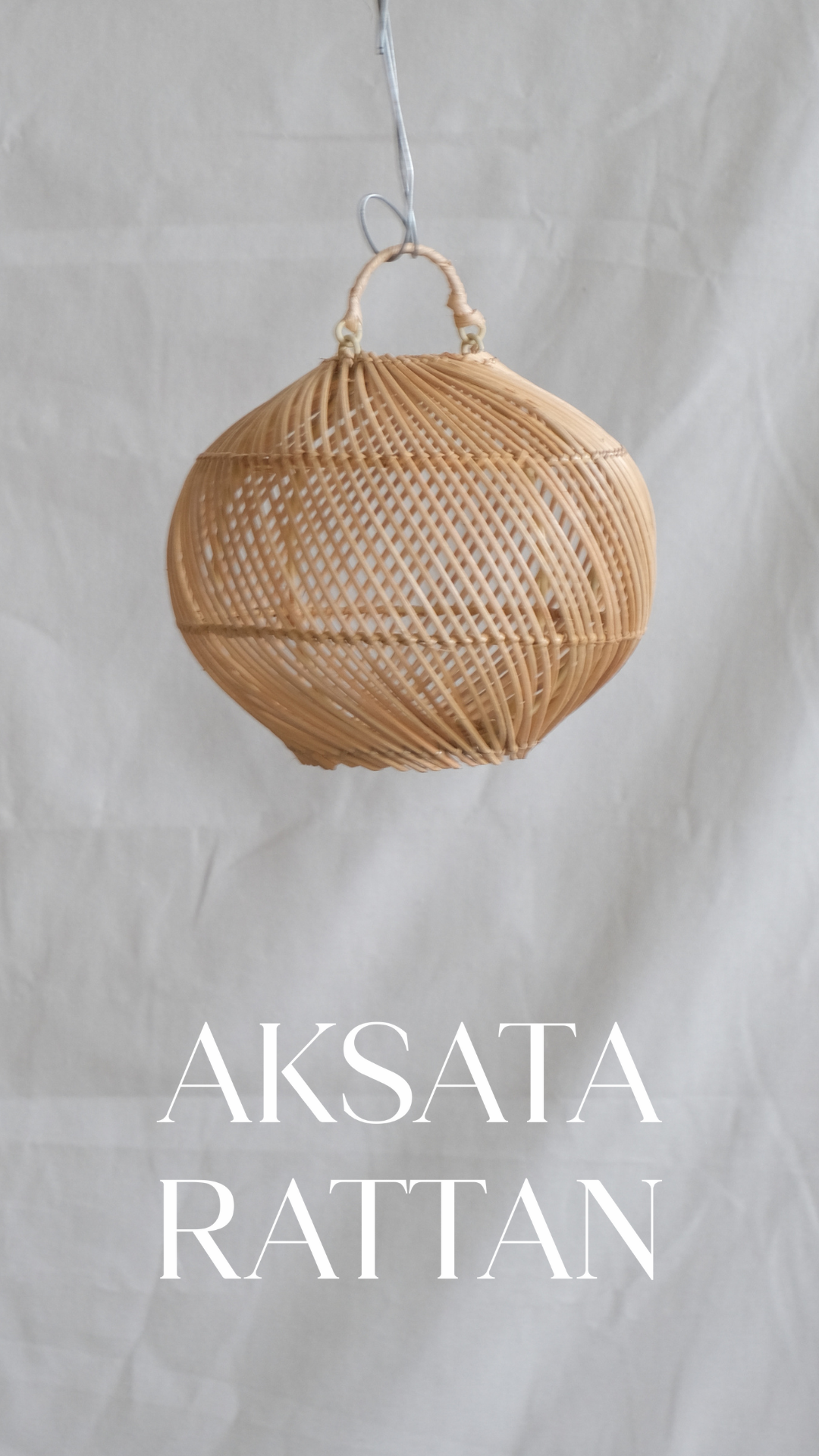
These innovations expand rattan’s application beyond traditional chairs and tables to include decorative lighting, room dividers, and sculptural interior elements.
Asia’s Strategic Role in Global Production
Asia plays a central role in the global rattan manufacturing industry. Countries such as Indonesia, Vietnam, and the Philippines possess abundant natural rattan resources and skilled artisans who have inherited weaving traditions for generations. As a result, the Asia-Pacific region dominates global rattan production and export markets.
Government initiatives also support industry development. For example, programs aimed at modernizing manufacturing facilities and promoting sustainable harvesting practices have been implemented to increase export competitiveness and maintain long-term resource availability.
Challenges Facing the Industry
Despite its promising future, the rattan manufacturing industry faces several challenges. Supply chain disruptions, fluctuations in raw material availability, and increasing production costs may affect manufacturing efficiency. Additionally, the rise of synthetic rattan—often made from polyethylene materials—has created competition with natural rattan products in outdoor furniture markets.
Another challenge involves preserving traditional craftsmanship. In some regions, rattan weaving skills are declining due to limited training opportunities and a lack of younger artisans entering the profession. Ensuring the transfer of these skills to future generations will be essential for maintaining the cultural heritage associated with rattan furniture.
Future Outlook
The future of rattan manufacturing appears highly promising. As global consumers continue to prioritize sustainability, natural materials, and environmentally responsible production methods, rattan furniture is well positioned to meet these demands. Advances in technology, innovative design approaches, and supportive government policies are expected to further strengthen the industry.
Moreover, the growing emphasis on sustainable architecture and eco-friendly living spaces may increase the integration of rattan furniture in both residential and commercial environments. By combining traditional craftsmanship with modern technology and sustainable practices, the rattan manufacturing industry can continue to expand its presence in the global furniture market.
Conclusion
Rattan manufacturing represents a unique intersection of tradition, sustainability, and innovation within the global furniture industry. With increasing demand for eco-friendly products, technological advancements in production, and continuous design innovation, rattan furniture is poised to remain an important component of modern interior and outdoor design. If the industry successfully addresses its challenges and continues investing in sustainable practices and skilled craftsmanship, rattan manufacturing will play an even greater role in shaping the future of the global furniture market.