


Choosing Between Synthetic and Natural Rattan: Insights from the Manufacturer’s Perspective
When it comes to stylish, timeless furniture, rattan is a top choice — but should you go with natural rattan or synthetic rattan? As a seasoned rattan furniture manufacturer, we’re often asked this question by interior designers, retailers, and hospitality buyers.
Here’s a detailed, insider look at the pros, cons, and best-use cases of synthetic vs natural rattan, so you can make an informed decision for your next project.
1. What Is Natural Rattan?
Natural rattan is a vine-like plant that grows in the tropical forests of Southeast Asia — especially Indonesia. It’s a renewable, eco-friendly material that has been used for centuries in handmade furniture and home décor.
Key Characteristics:
- Lightweight but sturdy
- Biodegradable
- Flexible and suitable for intricate weaving
- Beautiful natural texture and color variations
✅ Best used for indoor furniture or in covered outdoor areas.
2. What Is Synthetic Rattan?
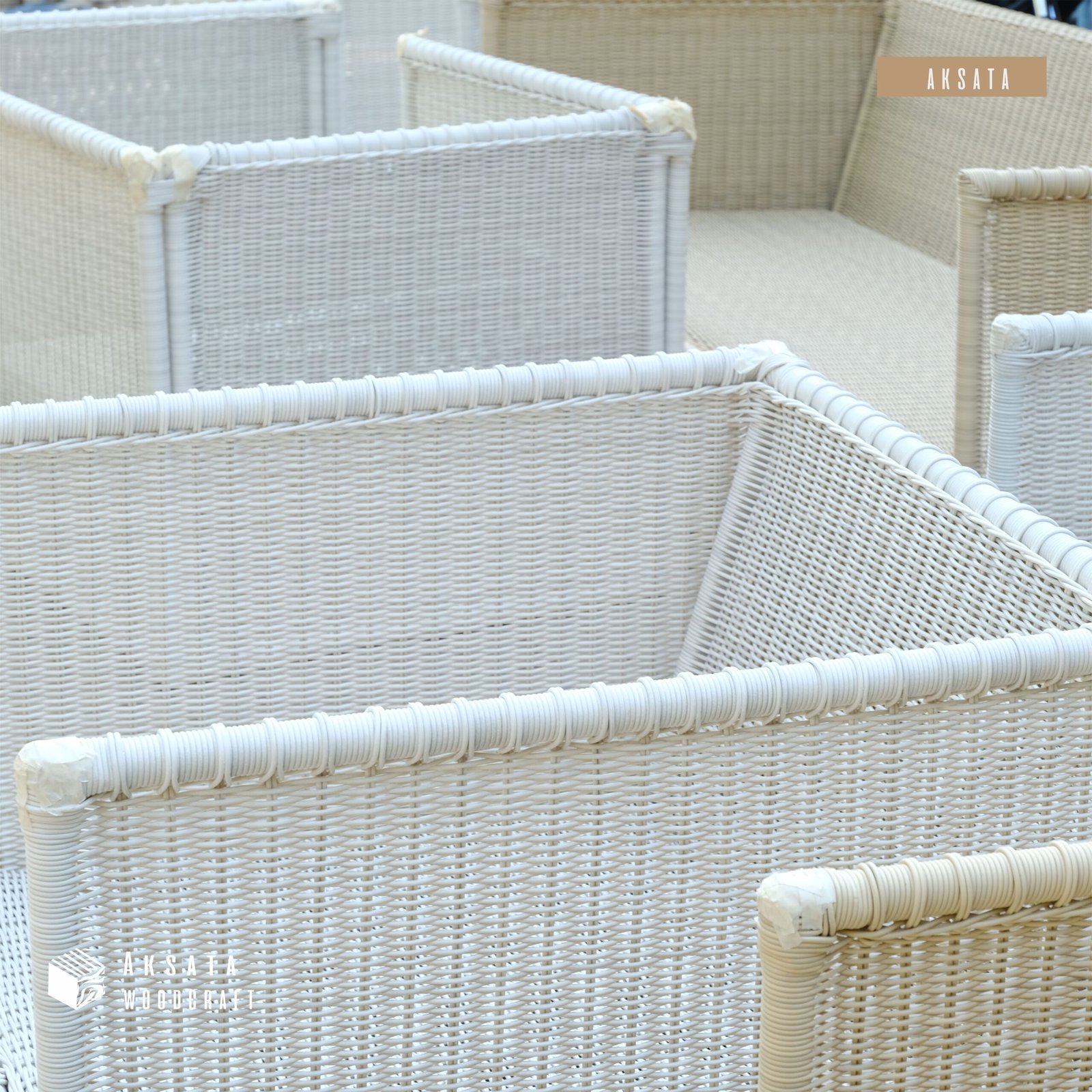
Also known as PE rattan or all-weather wicker, synthetic rattan is a man-made fiber, typically made from polyethylene. It is engineered to mimic the look of natural rattan, but with higher resistance to moisture, UV rays, and temperature changes.
Key Characteristics:
- Highly durable
- Waterproof and UV-resistant
- Low maintenance
- Available in consistent colors and textures
✅ Ideal for outdoor lounges, poolside furniture, and commercial spaces exposed to the elements.
3. Design Aesthetics and Feel
- Natural Rattan: Offers an authentic, artisanal feel. Each piece has slight variations in color and grain — perfect for projects with a handcrafted or tropical theme.
- Synthetic Rattan: Has a more uniform, polished appearance. It’s often preferred for minimalist or modern outdoor settings where consistency matters.
🎨 Natural = rustic charm. Synthetic = sleek precision.
4. Durability and Climate Considerations
- Natural rattan does not perform well in direct sunlight or high humidity over long periods — it may fade, crack, or mold if not maintained properly.
- Synthetic rattan is designed for harsh weather conditions and requires little upkeep. It can last 5–10 years outdoors with minimal fading.
🌦️ For outdoor-heavy projects, synthetic wins in durability.
5. Sustainability and Environmental Impact
- Natural rattan is a renewable and biodegradable resource, making it the preferred choice for eco-conscious projects.
- While synthetic rattan is non-biodegradable, high-quality PE rattan can be recyclable and made with non-toxic materials.
🌱 Natural rattan is the greener choice — if used in the right environment.
6. Cost and Maintenance
- Natural rattan may be slightly more expensive per piece due to handcrafting, and it requires occasional maintenance (dusting, avoiding moisture).
- Synthetic rattan is often more affordable in bulk and easier to clean (just wipe or hose down).
💸 Synthetic may lower long-term costs, especially for hospitality projects with high usage.
Manufacturer’s Recommendation
At CV Aksata Furnicraft International, we offer both natural and synthetic rattan furniture — and we often advise our clients based on their end-use environment, design vision, and brand values.
| Use Case | Recommended Material |
|---|---|
| Indoor residential furniture | ✅ Natural Rattan |
| Outdoor resort or poolside lounge | ✅ Synthetic Rattan |
| Covered patio or semi-outdoor area | ✅ Natural (with precautions) |
| High-traffic hospitality setting | ✅ Synthetic |
| Eco-conscious boutique collection | ✅ Natural Rattan |
Conclusion
When choosing between synthetic and natural rattan, there’s no one-size-fits-all answer. Each material has unique benefits — and understanding these from the manufacturer’s perspective helps you select the right option for your project’s function, aesthetic, and longevity.