





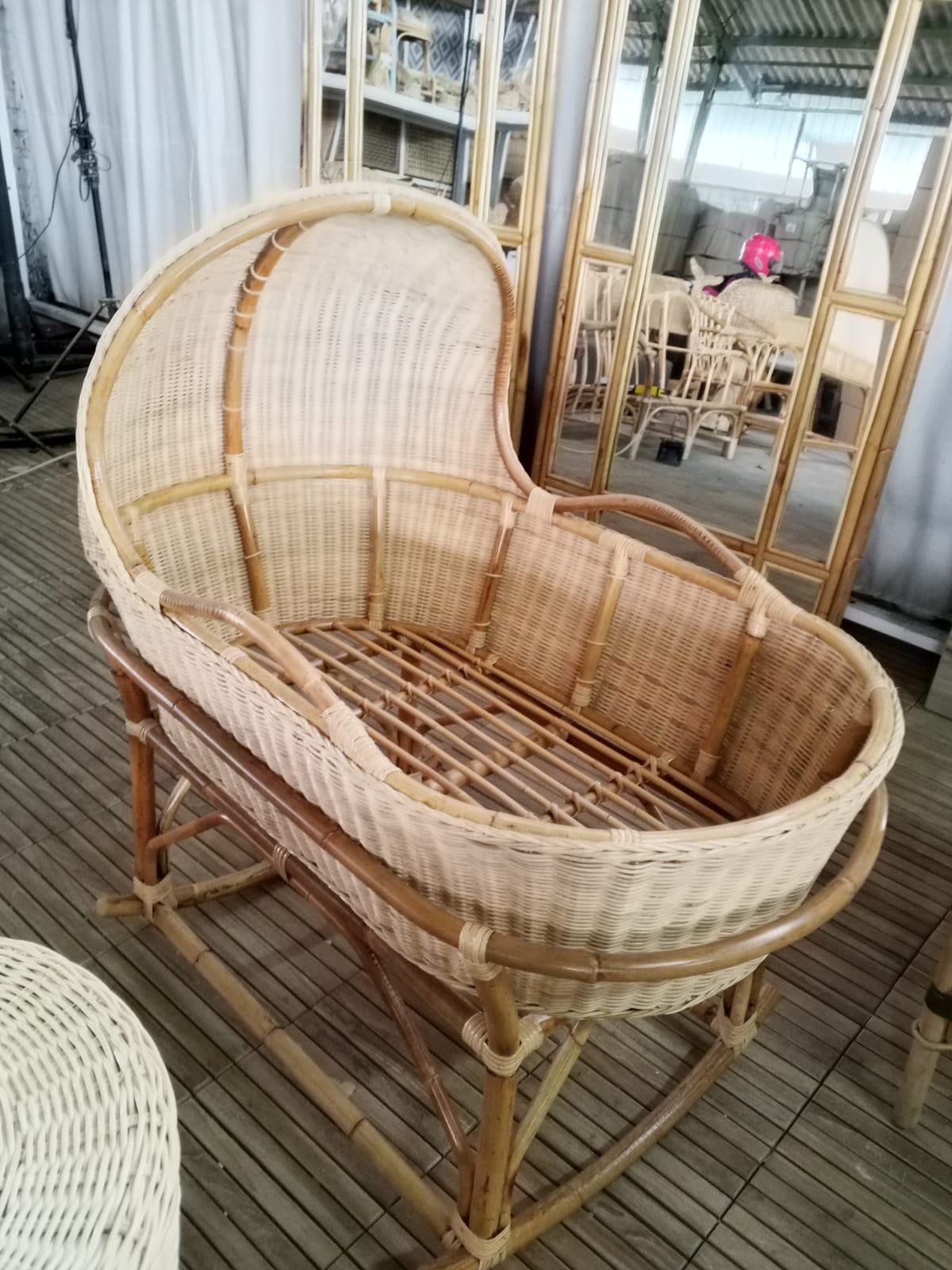
In today’s global economy, sustainable development has become a critical priority for industries seeking to balance economic growth with environmental and social responsibility. The furniture industry, which traditionally relies heavily on natural resources, faces increasing pressure to adopt sustainable practices. Rattan furniture manufacturing, with its focus on renewable materials, eco-friendly production, and community engagement, provides a compelling example of how industry can contribute to sustainable economic development.
Rattan as a Renewable Resource
A key factor in the sustainable impact of rattan furniture manufacturing is the use of rattan itself. Rattan is a fast-growing climbing palm that thrives in tropical forests, particularly in Southeast Asia. Unlike hardwood trees that can take decades to mature, rattan can be harvested within a few years, making it a highly renewable material.
Responsible harvesting ensures that only mature rattan canes are collected, allowing younger plants to continue growing and maintaining healthy forest ecosystems. By relying on this renewable resource, manufacturers reduce environmental degradation while creating long-term economic opportunities.
Promoting Local Economic Growth
Rattan furniture manufacturing is an important source of employment for local communities. The production process requires a range of skills, including rattan harvesting, weaving, crafting, and finishing. Many of these tasks are performed by skilled artisans, whose expertise ensures the creation of high-quality products.
By providing stable employment opportunities, the rattan furniture industry supports local economies, particularly in rural areas where alternative economic activities may be limited. This contributes to inclusive economic development, one of the core principles of sustainable growth.
Encouraging Sustainable Production Practices
Sustainable production practices are central to the economic and environmental impact of rattan furniture manufacturing. Rattan’s natural flexibility allows it to be bent and shaped using heat or steam, reducing the need for energy-intensive machinery. Traditional hand-weaving and assembly techniques further reduce energy consumption while maintaining quality craftsmanship.
Eco-friendly finishing methods, including water-based coatings and non-toxic stains, minimize chemical pollution and improve workplace safety. These sustainable practices enhance the industry’s reputation, opening doors to global markets that prioritize environmentally responsible products.
Reducing Waste and Maximizing Resources
Efficient resource use is another way rattan furniture manufacturing supports sustainable economic development. Leftover rattan materials are often repurposed for smaller furniture pieces, decorative items, or household accessories.
This approach reduces waste and maximizes the value derived from natural resources, allowing manufacturers to operate more cost-effectively while minimizing their environmental footprint.
Expanding Global Market Opportunities
The global demand for eco-friendly furniture has increased significantly, providing international market opportunities for rattan products. By combining sustainability with high-quality craftsmanship, rattan furniture manufacturers can access markets in Europe, North America, and beyond.
These export opportunities generate foreign income and contribute to national economic growth while promoting environmentally responsible products worldwide.
Supporting Sustainable Development Goals (SDGs)
Rattan furniture manufacturing aligns with multiple Sustainable Development Goals (SDGs), including decent work and economic growth, responsible consumption and production, and life on land. By creating employment, using renewable resources, and minimizing environmental impact, the industry contributes to sustainable development on both local and global levels.
Conclusion
Rattan furniture manufacturing is more than just a source of beautiful, functional furniture—it is a driver of sustainable economic development. Through the use of renewable materials, promotion of local employment, eco-friendly production methods, and access to global markets, the industry demonstrates how economic growth and environmental stewardship can go hand in hand.
As global demand for sustainable products continues to rise, rattan furniture manufacturing will remain a leading example of how industries can foster economic development while preserving natural resources and supporting communities.