





Sustainability has become a central focus in modern manufacturing, as industries around the world seek to balance economic growth with environmental responsibility. The furniture industry, which relies heavily on natural resources, faces particular scrutiny in this regard. Among the various materials used in furniture production, rattan stands out as a sustainable and versatile option. The rattan furniture manufacturing industry demonstrates how natural resources can be utilized responsibly to produce high-quality products while supporting environmental sustainability.
Rattan as a Renewable Natural Resource
Rattan is a climbing palm that grows abundantly in tropical forests, primarily in Southeast Asia. One of its most important characteristics is its fast growth rate. Unlike hardwood trees that may take decades to mature, rattan can be harvested in just a few years. This rapid growth makes rattan a renewable resource, capable of regenerating naturally without causing long-term damage to forest ecosystems.
Responsible harvesting practices further ensure that rattan plants continue to thrive in their natural environment. By relying on rattan instead of slow-growing timber, the furniture industry reduces pressure on forests and contributes to more sustainable use of natural resources.
Sustainable Harvesting and Forest Preservation
The sustainability of rattan furniture begins with careful and responsible harvesting. Only mature rattan canes are collected, leaving younger plants to grow and maintain forest balance. Communities involved in rattan harvesting often have a vested interest in preserving the forests, as their livelihoods depend on the long-term availability of the material.
This connection between rattan production and forest conservation helps protect biodiversity, prevent deforestation, and support sustainable forest management. By prioritizing the health of natural ecosystems, the rattan furniture industry serves as a model for responsible resource use.
Energy-Efficient and Eco-Friendly Production
Sustainable use of natural resources also extends to production methods. Rattan’s natural flexibility allows it to be shaped and bent using heat or steam rather than heavy industrial machinery, which reduces energy consumption. Many aspects of rattan furniture production, such as weaving and assembling, are still performed by skilled artisans, which further minimizes reliance on energy-intensive processes.
Additionally, many manufacturers now use environmentally friendly finishing techniques, such as water-based coatings and non-toxic stains. These practices reduce harmful chemical emissions and ensure that the final products are safe for both consumers and the environment.
Reducing Waste Through Resource Efficiency
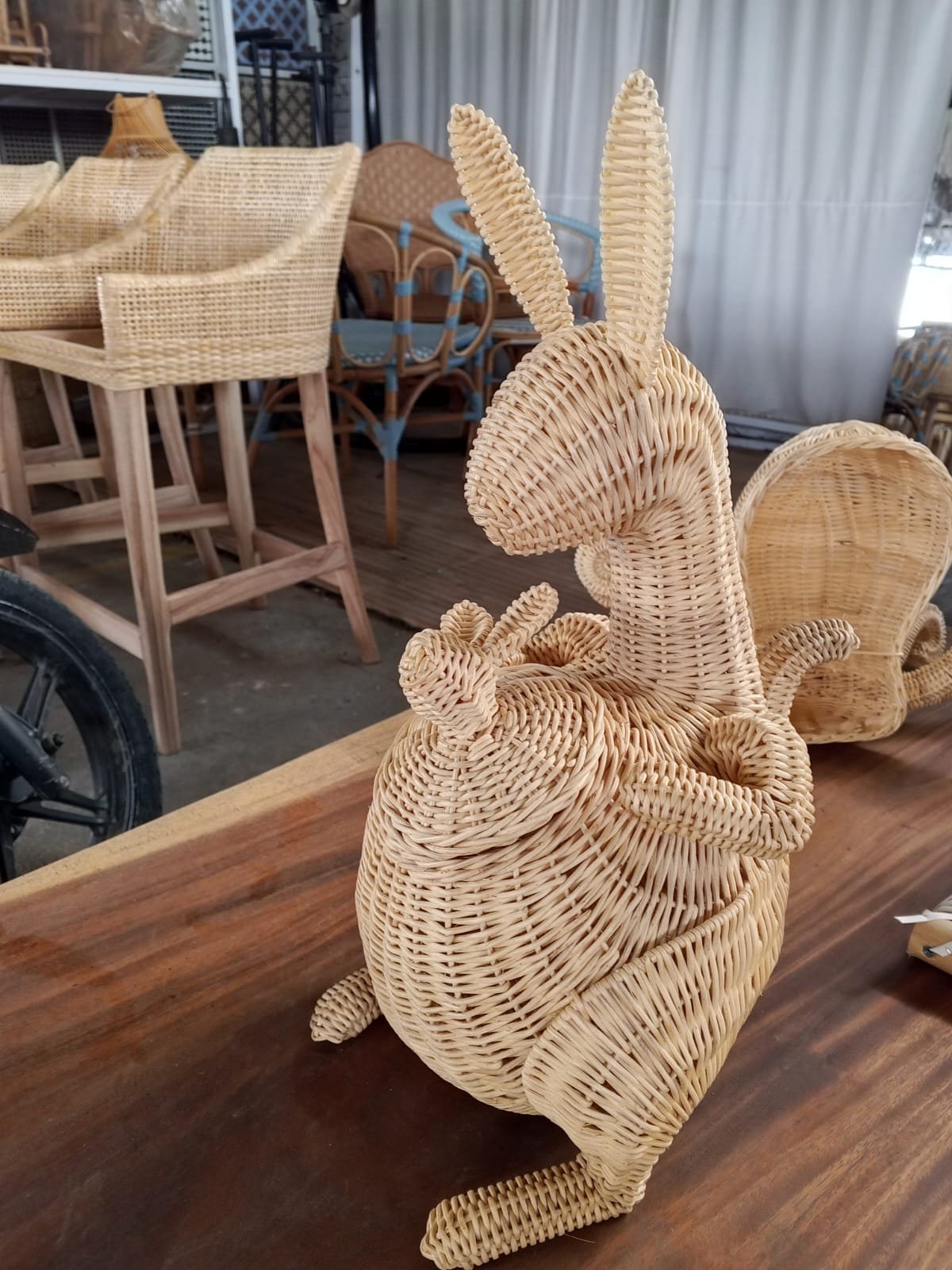
Efficient use of materials is another critical element of sustainability in rattan furniture manufacturing. Leftover rattan materials are often reused for smaller furniture components or decorative products, such as baskets or lighting fixtures. This approach minimizes waste and maximizes the value of natural resources.
By adopting resource-efficient production methods, manufacturers can create high-quality furniture while conserving raw materials and reducing environmental impact.
Supporting Long-Term Sustainability
The durability and versatility of rattan furniture also contribute to sustainability. High-quality rattan furniture can last for many years, reducing the need for frequent replacement. Long-lasting products not only save consumers money but also decrease the consumption of raw materials and the amount of waste generated by the furniture industry.
In addition, rattan furniture manufacturing supports local communities by providing employment and preserving traditional craftsmanship, which is a vital aspect of social sustainability.
Conclusion
The rattan furniture manufacturing industry demonstrates how natural resources can be used responsibly to support environmental sustainability. By relying on renewable rattan, practicing responsible harvesting, adopting energy-efficient production methods, and minimizing waste, manufacturers can create high-quality furniture while protecting forests and ecosystems.
As global awareness of sustainability continues to rise, the rattan furniture industry serves as a valuable example of how traditional materials and modern production practices can work together to promote a more sustainable future.