





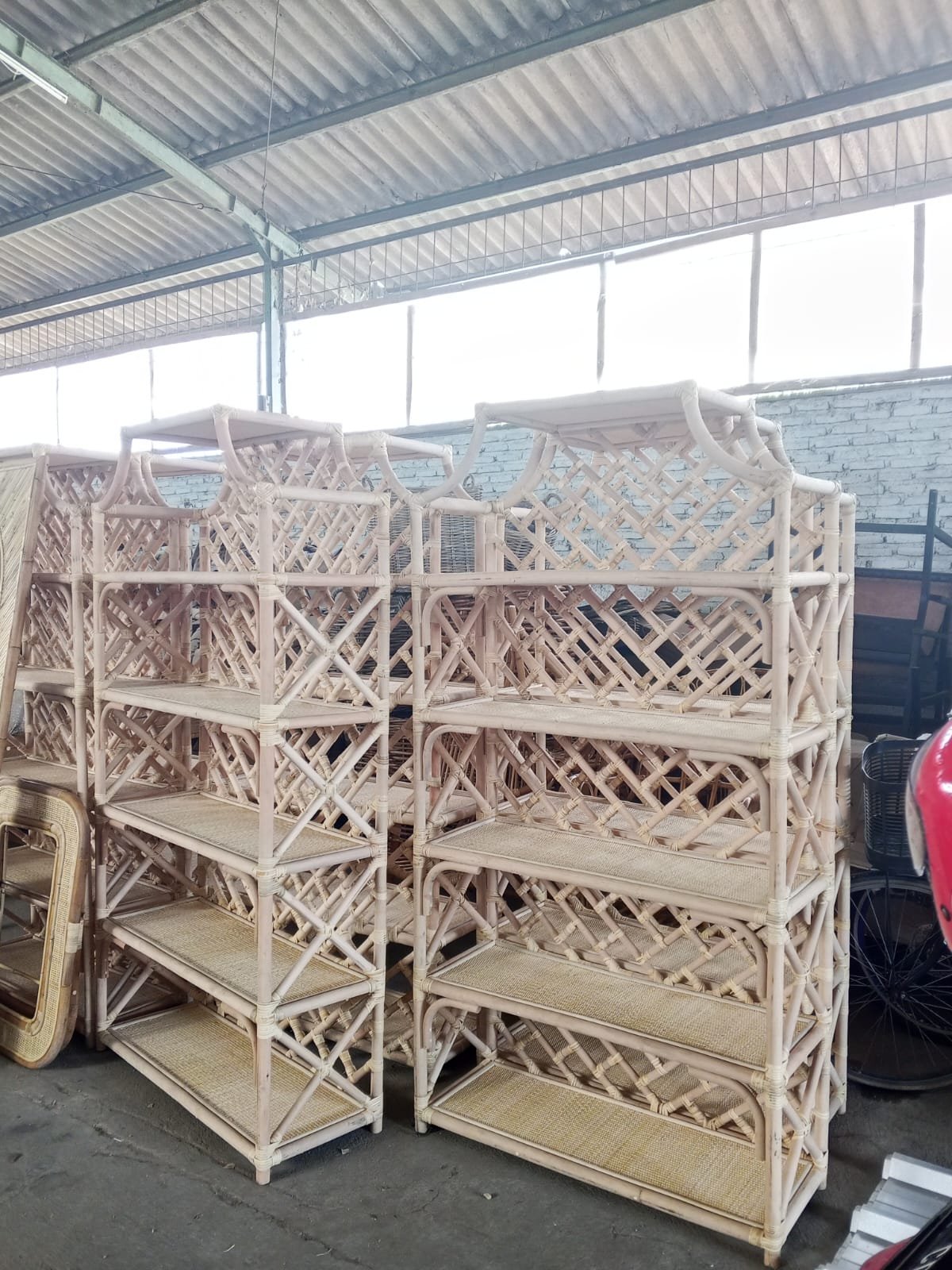
In recent years, sustainability has become a central focus for industries worldwide, particularly in sectors that rely heavily on natural resources. The furniture industry, with its demand for wood, metals, and other materials, has a significant environmental impact. Rattan furniture manufacturing, however, provides an excellent example of how industries can embrace sustainable production practices while delivering high-quality and aesthetically appealing products. By utilizing renewable materials, minimizing energy consumption, reducing waste, and supporting local craftsmanship, rattan furniture manufacturing encourages environmentally responsible production practices.
Using Renewable and Sustainable Materials
One of the primary ways rattan furniture manufacturing promotes sustainability is through the use of renewable materials. Rattan is a climbing palm that grows naturally in tropical forests, primarily in Southeast Asia. Unlike hardwood trees that can take decades to mature, rattan grows quickly and can be harvested in just a few years.
Responsible harvesting practices ensure that only mature rattan is collected, allowing younger plants to continue growing and maintaining forest health. This approach reduces reliance on slow-growing timber and ensures that natural resources are used responsibly.
Minimizing Energy Consumption
Sustainable production also involves reducing energy use during manufacturing. Rattan’s natural flexibility allows it to be bent and shaped using heat or steam instead of heavy industrial machinery. Many processes, such as weaving and assembling, are performed manually by skilled artisans.
These methods consume significantly less energy compared to conventional mass-production techniques, making rattan furniture manufacturing more environmentally friendly. By prioritizing energy-efficient practices, manufacturers reduce their carbon footprint while maintaining product quality.
Reducing Waste Through Efficient Production
Efficient use of materials is a cornerstone of sustainable production. In rattan furniture manufacturing, leftover materials are often repurposed for smaller furniture components, decorative items, or household accessories like baskets and lamps.
This approach reduces industrial waste and promotes a circular production system where raw materials are fully utilized. By minimizing waste, the industry supports sustainable production while maximizing resource efficiency.
Eco-Friendly Finishing Techniques
The finishing stage of furniture production can significantly impact the environment, especially when toxic chemicals are used. Many rattan furniture manufacturers now employ environmentally friendly finishing methods, including water-based coatings, natural stains, and non-toxic sealants.
These techniques not only protect the furniture and enhance its natural beauty but also reduce harmful chemical emissions, contributing to healthier workplaces and a cleaner environment.
Supporting Local Artisans and Communities
Sustainable production is not only about materials and energy but also about social responsibility. Rattan furniture manufacturing relies on skilled local artisans who handcraft the furniture with precision and care.
By providing employment opportunities and preserving traditional craftsmanship, the industry supports local economies and encourages sustainable livelihoods. This focus on social sustainability complements environmentally responsible production practices, creating a holistic approach to sustainability.
Encouraging Sustainable Consumer Practices
Rattan furniture is known for its durability and timeless design, which encourages responsible consumption. Long-lasting products reduce the frequency of replacement, helping consumers minimize their environmental impact.
By producing furniture that combines sustainability with quality and style, rattan manufacturers promote eco-conscious choices and encourage consumers to support environmentally responsible production.
Conclusion
Rattan furniture manufacturing serves as a model for sustainable production practices. Through the use of renewable materials, energy-efficient methods, waste reduction strategies, eco-friendly finishes, and support for local artisans, the industry demonstrates that high-quality furniture can be produced with minimal environmental impact.
As global awareness of sustainability continues to grow, rattan furniture manufacturing will remain a leading example of how industries can balance economic growth, social responsibility, and environmental protection.