





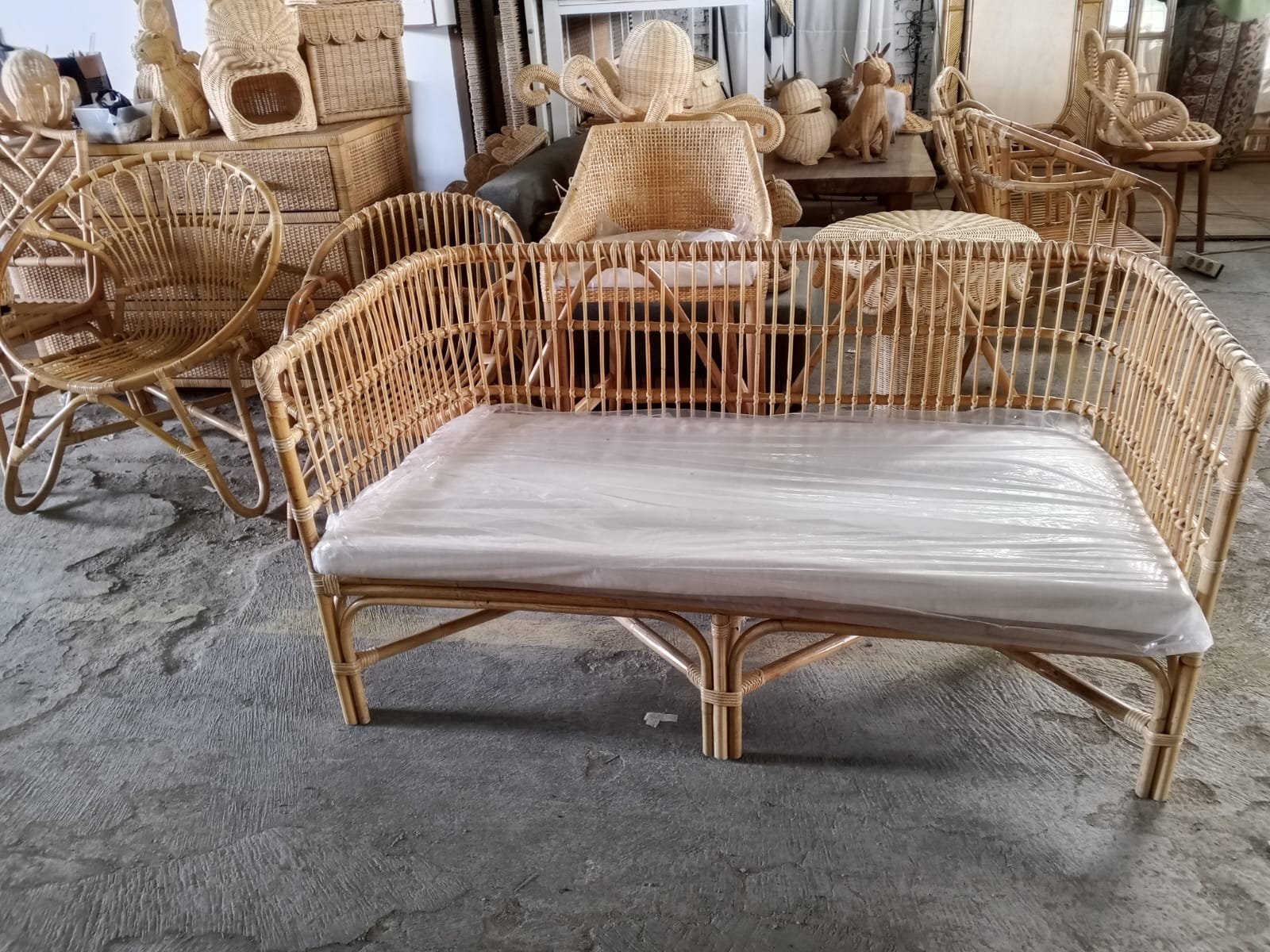
Sustainable Development Goals (SDGs) have become a global framework for promoting social, economic, and environmental progress. Industries worldwide are increasingly adopting practices that align with these goals, and the furniture sector is no exception. Among sustainable solutions, rattan furniture manufacturing stands out as an industry that supports multiple SDGs by combining renewable materials, eco-friendly production practices, and community engagement.
Rattan: A Renewable and Sustainable Material
At the core of eco-friendly rattan furniture manufacturing is the use of rattan itself, a fast-growing climbing palm found predominantly in Southeast Asia. Unlike hardwood trees that may take decades to mature, rattan grows quickly and can be harvested responsibly within a few years.
This rapid regeneration makes rattan a renewable resource, reducing pressure on slower-growing timber species. Responsible harvesting practices ensure that young plants are left to grow, preserving forest ecosystems and contributing to SDG 15: Life on Land, which focuses on protecting terrestrial ecosystems and promoting biodiversity.
Reducing Environmental Impact Through Sustainable Production
Eco-friendly manufacturing methods are another way rattan furniture supports the SDGs. Rattan’s natural flexibility allows it to be shaped using heat or steam, minimizing the need for energy-intensive machinery. Traditional hand-weaving and assembly techniques further reduce energy consumption while maintaining high-quality craftsmanship.
Additionally, many manufacturers use non-toxic finishes and water-based coatings, reducing chemical pollution and improving workplace safety. These practices align with SDG 12: Responsible Consumption and Production by promoting sustainable industrial processes and reducing environmental impact.
Supporting Local Communities and Economic Growth
Rattan furniture manufacturing provides significant employment opportunities for local communities, particularly in rural areas. Harvesters, artisans, designers, and factory workers all contribute to the production process, ensuring stable livelihoods and preserving traditional skills.
By supporting local economies and promoting decent work, the industry contributes to SDG 8: Decent Work and Economic Growth, which aims to foster sustainable economic development and inclusive employment opportunities.
Promoting Social Sustainability Through Craftsmanship
The preservation of traditional rattan weaving techniques is also a form of social sustainability. These skills are often passed down through generations, maintaining cultural heritage while providing young artisans with valuable expertise. Supporting these practices empowers communities and strengthens cultural identity, further contributing to sustainable development.
Encouraging Sustainable Consumption Patterns
Eco-friendly rattan furniture encourages responsible consumer behavior. Its durability, timeless design, and natural aesthetic promote long-lasting use, reducing the need for frequent replacement and minimizing resource consumption. By choosing sustainable products, consumers participate in SDG 12 and help create demand for environmentally responsible manufacturing practices.
Expanding Global Awareness of Sustainable Products
Rattan furniture’s popularity in international markets highlights its potential to promote sustainability on a global scale. As consumers around the world increasingly prioritize environmentally friendly and ethically produced products, the rattan furniture industry demonstrates how sustainable materials and practices can meet global demand while supporting the SDGs.
Conclusion
Eco-friendly rattan furniture manufacturing is a powerful example of how industries can advance the Sustainable Development Goals. By using renewable materials, reducing environmental impact, supporting local communities, and promoting responsible consumption, the industry addresses multiple dimensions of sustainable development.
As global awareness of sustainability grows, rattan furniture will continue to serve as a model for environmentally responsible, socially inclusive, and economically viable manufacturing, contributing to a more sustainable future for people and the planet.