


The global furniture industry is constantly evolving as consumer preferences, environmental awareness, and design trends change over time. Among the many materials used in furniture production, rattan has gained significant attention in recent years. Rattan furniture manufacturing continues to grow in global markets due to its sustainability, versatility, aesthetic appeal, and strong cultural craftsmanship. These factors make rattan furniture an increasingly popular choice for consumers and businesses worldwide.
The Appeal of Natural and Sustainable Materials
One of the primary reasons for the growth of rattan furniture manufacturing is the increasing demand for sustainable materials. Consumers today are more environmentally conscious and prefer products that are made from renewable and eco-friendly resources.
Rattan is considered a sustainable material because it grows quickly and can be harvested without causing significant damage to forests. Unlike hardwood trees that take many years to mature, rattan can regenerate faster, making it a renewable resource. This natural advantage aligns with global efforts to promote environmentally responsible production and consumption.
Growing Interest in Natural Interior Design
Interior design trends have shifted toward natural and organic elements. Many designers and homeowners now seek furniture that brings warmth, texture, and a connection to nature into living spaces.
Rattan furniture fits perfectly within these design trends. Its natural color, woven patterns, and lightweight structure create a relaxed and inviting atmosphere. As a result, rattan furniture is frequently used in modern homes, cafés, resorts, and hospitality spaces around the world.
Versatility in Design and Application
Another factor driving the growth of rattan furniture manufacturing is its versatility. Rattan can be shaped, bent, and woven into a wide variety of furniture styles and products.
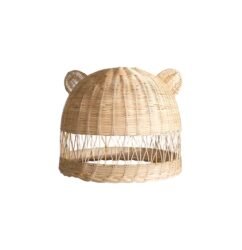
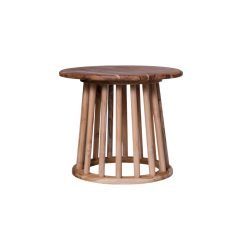
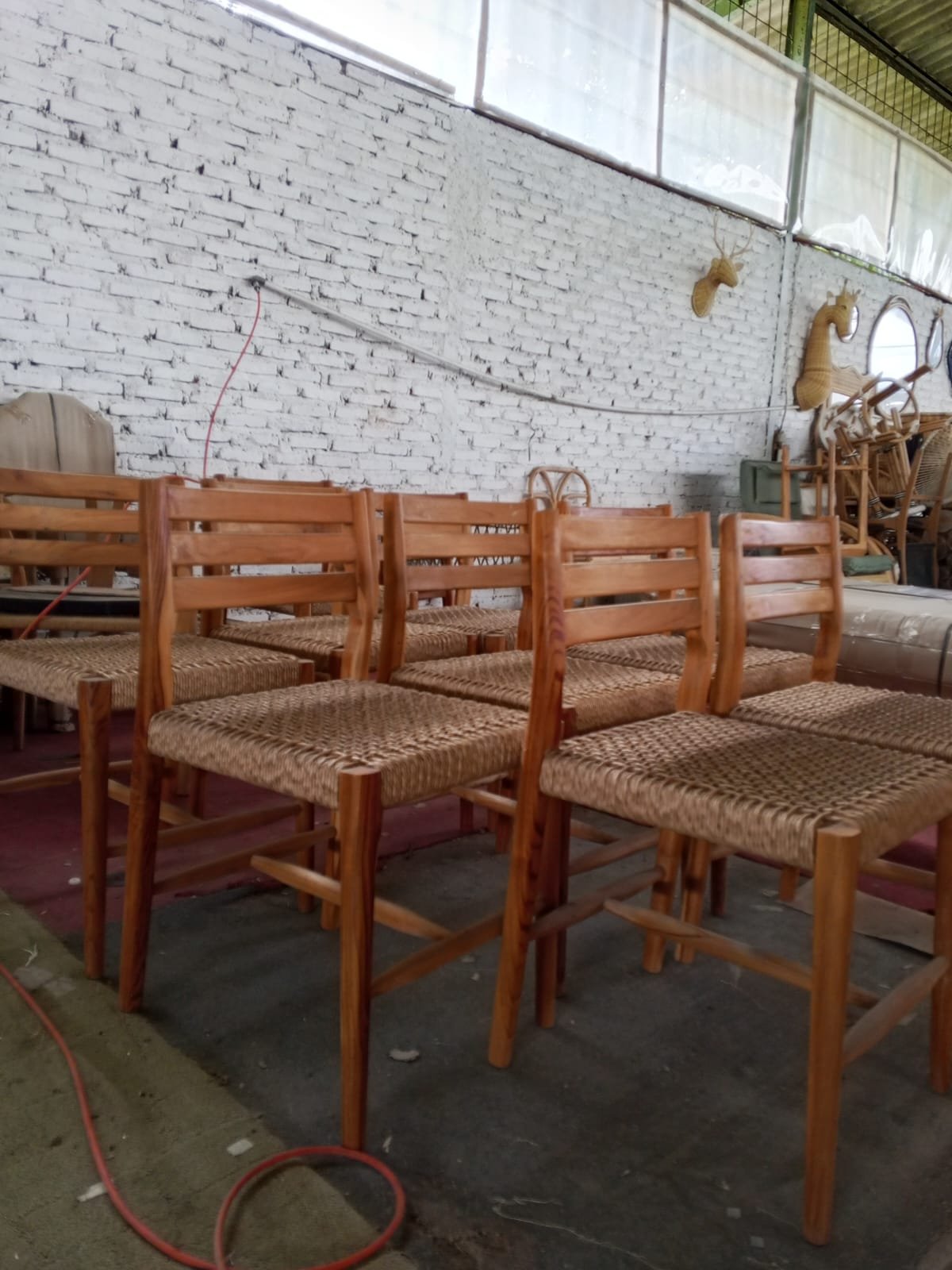
Manufacturers produce many types of rattan furniture, including chairs, tables, sofas, storage units, lighting fixtures, and decorative accessories. Rattan furniture can also be used for both indoor and outdoor environments, making it suitable for a wide range of applications.
In addition, rattan blends well with other materials such as wood, metal, glass, and fabric. This flexibility allows designers to create innovative furniture pieces that match modern interior design trends.
Strong Craftsmanship and Cultural Value
Rattan furniture manufacturing is closely connected to traditional craftsmanship, particularly in regions where rattan grows naturally. Skilled artisans play a major role in shaping, weaving, and assembling rattan furniture.
The craftsmanship involved in rattan furniture production adds artistic value to each piece. Many consumers appreciate handmade products because they offer uniqueness and authenticity that mass-produced furniture often lacks.
This combination of craftsmanship and cultural heritage makes rattan furniture attractive in international markets.
Growth of the Hospitality and Tourism Industry
The expansion of the hospitality and tourism sectors has also contributed to the rising demand for rattan furniture. Hotels, restaurants, cafés, and resorts often choose rattan furniture because it creates a comfortable and natural atmosphere for guests.
Outdoor lounges, beach resorts, and tropical-themed spaces frequently feature rattan furniture as a central design element. As global tourism continues to grow, the demand for stylish and durable rattan furniture is expected to increase as well.
Expanding International Export Opportunities
Many countries that produce rattan furniture have successfully expanded their presence in global export markets. Southeast Asian countries, particularly those with abundant rattan resources, have become major suppliers of rattan furniture to Europe, North America, Australia, and other regions.
International buyers value rattan furniture for its sustainability, craftsmanship, and competitive pricing. As global trade continues to develop, export opportunities for rattan furniture manufacturers are likely to expand further.
Conclusion
Rattan furniture manufacturing continues to grow in global markets due to several key factors, including sustainability, natural design appeal, versatility, and skilled craftsmanship. As consumers increasingly prioritize eco-friendly products and authentic design, rattan furniture offers an ideal solution.
With ongoing innovation in design and manufacturing processes, the rattan furniture industry is well positioned to remain an important part of the global furniture market for many years to come.