



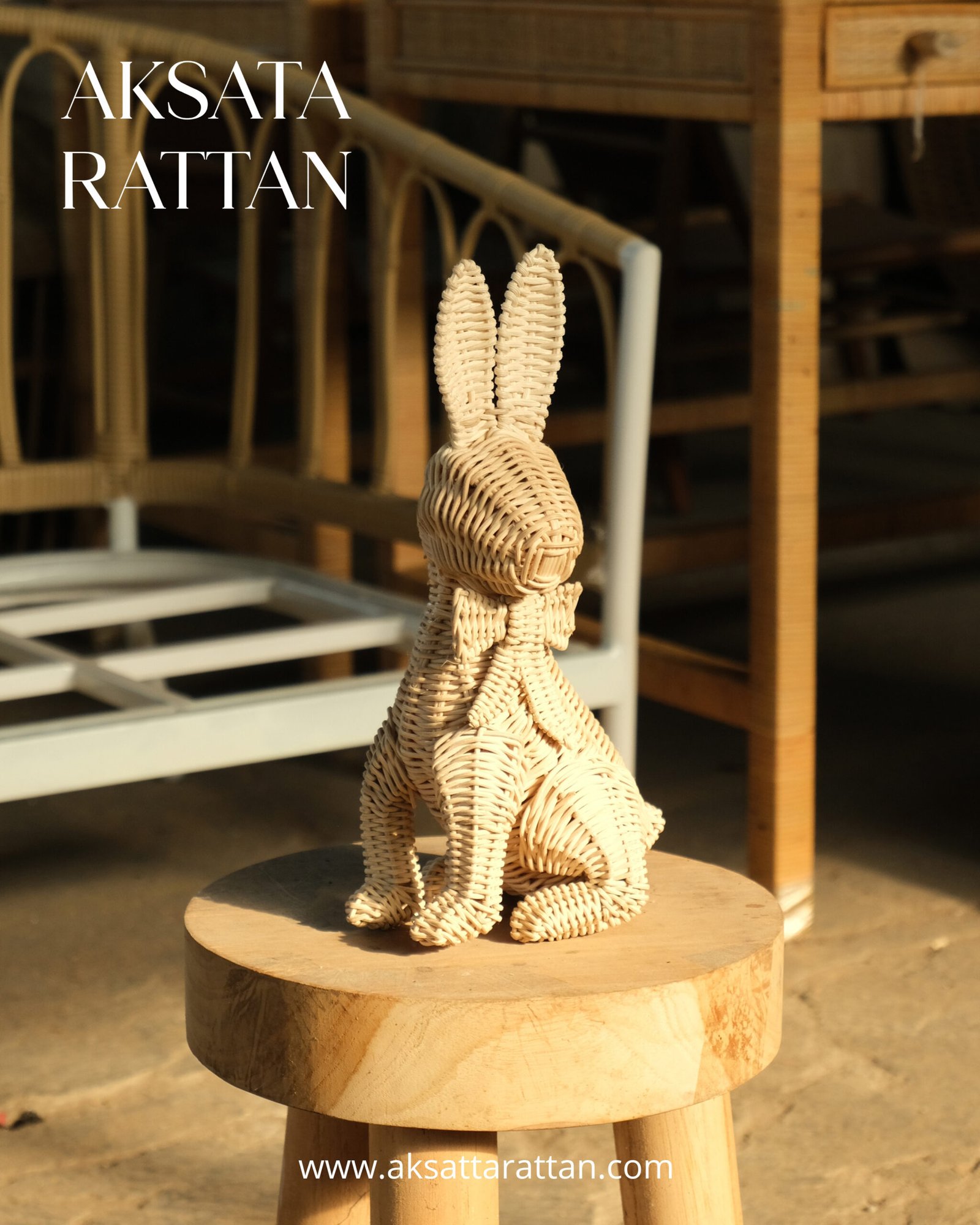
Rattan has been used for centuries as a versatile natural material in furniture and handicraft production. In many regions of Southeast Asia, rattan craftsmanship has become an important cultural tradition passed down through generations. While rattan is widely recognized for its role in furniture making, it is also increasingly used in the production of children’s toys. Many of these toys are still created using traditional techniques that emphasize craftsmanship, patience, and attention to detail.
Traditional rattan toy manufacturing relies on a combination of manual skills and natural materials. These techniques not only produce durable and attractive toys but also preserve valuable cultural heritage.
Harvesting and Preparing the Rattan
The production process begins with the harvesting of raw rattan from tropical forests. Skilled workers carefully select mature rattan stems that have reached the proper thickness and flexibility. This selection process is important because the quality of the raw material greatly influences the durability and appearance of the final product.
After harvesting, the rattan is cleaned and cut into appropriate lengths. Artisans then remove the outer skin or smooth the surface to prepare the material for weaving and shaping. In some traditional methods, rattan is also soaked or heated to increase its flexibility, making it easier to bend and form into different shapes.
Hand Bending and Shaping
One of the most important traditional techniques in rattan toy manufacturing is manual bending. Because rattan is naturally flexible, it can be shaped into curved forms without breaking. Artisans often use heat or steam to soften the material before bending it into the desired structure.
This process is commonly used to create the frames of rattan toys such as doll cradles, toy baskets, miniature chairs, and small play furniture. Skilled craftsmen carefully shape the rattan using simple tools while ensuring the structure remains balanced and strong.
Hand bending requires both experience and precision, as improper shaping may weaken the material.
Traditional Weaving Techniques
Weaving is another essential skill in rattan toy manufacturing. Artisans weave thin rattan strips around the frame to create patterns that hold the structure together. These weaving techniques are often similar to those used in traditional rattan furniture production.
Different weaving styles may be applied depending on the type of toy being produced. For example, tight weaving patterns provide strength and durability, while more open patterns create lightweight and decorative designs.
Weaving not only strengthens the toy but also adds a unique handcrafted aesthetic that cannot easily be replicated by machines.
Use of Simple Hand Tools
Traditional rattan toy production typically relies on simple hand tools rather than advanced machinery. Tools such as knives, cutters, small hammers, and wooden molds are commonly used to shape and assemble the components.
Because these tools require careful manual operation, each toy is crafted with a high level of attention and precision. This hands-on process ensures that every piece has its own unique character.
The use of simple tools also makes traditional rattan manufacturing more environmentally friendly by reducing energy consumption.
Natural Finishing and Smoothing
Once the toy has been woven and assembled, artisans move on to the finishing stage. In traditional methods, the surface of the rattan is carefully smoothed to remove rough edges that could harm children during play.
Some producers apply natural coatings or safe finishes to protect the rattan and improve its durability. These finishes help preserve the material while maintaining its natural appearance and texture.
This final step ensures that the toys are both visually appealing and safe for children to use.
Preserving Cultural Heritage
Traditional rattan toy manufacturing represents more than just a production process. It is also a form of cultural heritage that reflects the skills and creativity of local communities. Many artisans learn these techniques from family members, passing their knowledge from one generation to the next.
By continuing to use traditional methods, rattan toy manufacturers help preserve these valuable skills while supporting local economies. The growing global demand for handmade and eco-friendly toys has further strengthened the importance of these traditional techniques.
Conclusion
Traditional techniques play a crucial role in rattan toy manufacturing. From careful harvesting and manual shaping to intricate weaving and natural finishing, these methods highlight the craftsmanship involved in creating high-quality handmade toys.
In addition to producing durable and beautiful products, traditional rattan techniques help preserve cultural heritage and support sustainable production practices. As the demand for eco-friendly and handcrafted toys continues to grow, these traditional methods will remain an important part of the future of rattan toy manufacturing.