

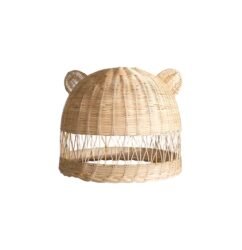


In today’s global market, sustainability has become a key concern for manufacturers, consumers, and policymakers. The toy industry, which has traditionally relied heavily on plastic and synthetic materials, is increasingly being challenged to adopt more environmentally responsible practices. As a result, many producers are exploring natural and renewable materials to create safer and more eco-friendly products. One material that has gained significant attention in this movement is rattan.
Rattan toy production reflects a growing commitment to sustainability by combining natural materials, traditional craftsmanship, and environmentally conscious manufacturing practices.
Rattan as a Renewable Natural Resource
One of the main reasons rattan is considered sustainable is its natural growth cycle. Rattan is a climbing palm that grows abundantly in tropical forests, particularly in Southeast Asia. Unlike many hardwood trees that take decades to mature, rattan grows relatively quickly and can be harvested within a shorter period.
This fast growth rate allows rattan to be replenished more easily, making it a renewable resource when managed responsibly. Sustainable harvesting practices ensure that rattan can be collected without damaging the surrounding forest ecosystem.
Because of these characteristics, rattan provides an environmentally responsible alternative to materials that rely on extensive industrial processing.
Reducing Dependence on Plastic Toys
For many years, plastic has been the dominant material in the toy industry. While plastic toys are often inexpensive and easy to mass-produce, they also contribute significantly to environmental pollution. Many plastic products take hundreds of years to decompose and often end up in landfills or oceans.
Rattan toys help reduce this dependence on plastic by offering a natural and biodegradable alternative. When a rattan toy reaches the end of its life cycle, it can decompose naturally, leaving a much smaller environmental footprint.
By choosing toys made from rattan, consumers contribute to reducing plastic waste and supporting more sustainable consumption patterns.
Environmentally Friendly Production Processes
Another important aspect of sustainability in rattan toy production is the manufacturing process. Many rattan toys are crafted using traditional hand-weaving techniques rather than energy-intensive industrial methods.
Handcrafted production requires fewer machines and less energy, which helps reduce carbon emissions associated with manufacturing. In addition, artisans often use simple tools and natural processes to shape and weave the material.
Some manufacturers also apply eco-friendly finishes and non-toxic coatings to protect the rattan while maintaining child safety standards. These practices ensure that the final products remain both environmentally responsible and safe for children.
Supporting Local Communities and Artisan Skills
Sustainability is not only about environmental protection; it also includes social and economic responsibility. Rattan toy production often takes place in communities where rattan craftsmanship has been practiced for generations.
By supporting the production of handmade rattan toys, manufacturers help create employment opportunities for local artisans. This allows traditional skills to be preserved while providing stable income for families in rural areas.
The continuation of these craft traditions ensures that cultural knowledge and artisanal expertise remain valuable parts of the modern economy.
Encouraging Sustainable Consumer Choices
The growing popularity of rattan toys also reflects a shift in consumer behavior. Many parents today are more aware of the environmental impact of the products they purchase. They often prefer toys that are made from natural materials and produced through responsible manufacturing practices.
Rattan toys meet these expectations by combining sustainability with safety and aesthetic value. Their natural appearance and handcrafted quality also make them appealing for modern homes and children’s play environments.
As consumers become more environmentally conscious, the demand for sustainable toy options is expected to continue increasing.
Promoting Long-Term Durability
Sustainability in product design also involves creating items that last longer. Durable products reduce the need for frequent replacement, which helps minimize waste.
Rattan toys are known for their strength and flexibility, allowing them to withstand regular use. When properly maintained, these toys can last for many years and may even be passed down to younger siblings or future generations.
This durability contributes to a more sustainable product life cycle compared to many disposable or short-lived plastic toys.
Conclusion
Sustainability plays a crucial role in the development of rattan toy production. From the use of renewable natural materials to environmentally friendly manufacturing processes, rattan toys represent a responsible alternative within the toy industry.
In addition to reducing environmental impact, rattan toy production supports artisan communities and promotes traditional craftsmanship. As more consumers seek sustainable and safe products for their children, rattan toys are likely to become an increasingly important part of the global market for eco-friendly children’s goods.
By combining sustainability, quality, and creativity, rattan toy production contributes to a future where children’s products are both enjoyable and environmentally responsible.