
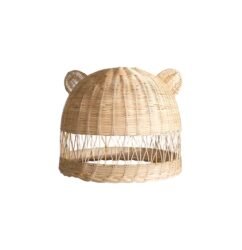
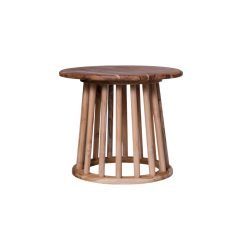
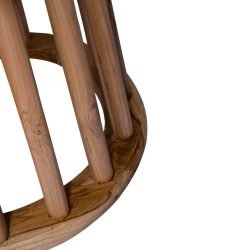

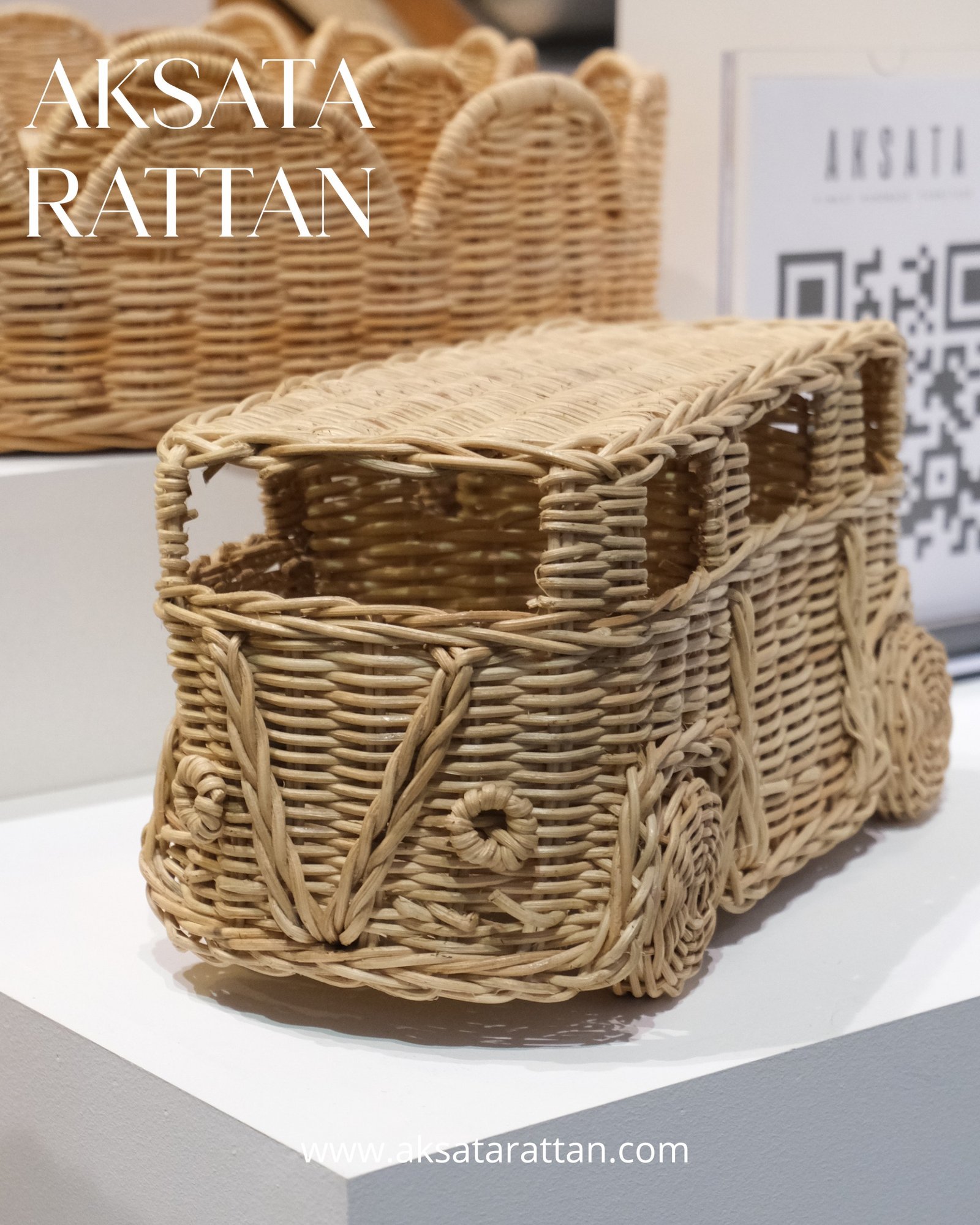
The furniture industry has long relied on rattan as a versatile and durable natural material. Traditionally used for chairs, tables, and decorative furniture, rattan has also gained popularity in the production of children’s toys. Many rattan furniture manufacturers are now expanding their product lines to include toys, taking advantage of their existing expertise in rattan craftsmanship.
The production process of rattan toys follows several stages, from raw material preparation to the final finishing. Each step requires careful attention to quality, safety, and design to ensure that the toys are both functional and suitable for children.
Selection of Raw Rattan Material
The first step in producing rattan toys is selecting high-quality raw rattan. Manufacturers typically source rattan from tropical regions where the plant grows naturally, especially in Southeast Asia.
During this stage, workers carefully choose rattan stems that have the appropriate thickness, flexibility, and strength. High-quality rattan ensures that the final toy will be durable and able to withstand regular use.
After harvesting, the rattan is cleaned to remove dirt and natural impurities before entering the processing stage.
Cutting and Material Preparation
Once the rattan has been selected, it is cut into smaller sections according to the requirements of the toy design. Different parts of the toy may require different sizes or thicknesses of rattan.
The outer skin may be removed or smoothed depending on the intended use of the material. Some pieces are also split into thinner strips, which will later be used for weaving and binding.
At this stage, the rattan is often soaked in water or treated with heat to increase flexibility, allowing it to be bent into different shapes without breaking.
Frame Construction and Shaping
The next stage involves constructing the main structure or frame of the toy. This step is particularly important because the frame determines the strength and stability of the final product.
Skilled artisans bend the rattan using heat or steam to create curved shapes and structural components. These pieces are then assembled to form the basic framework of the toy.
For example, rattan toy cradles, miniature chairs, toy carts, and doll furniture require carefully shaped frames to maintain balance and durability.
Weaving and Structural Reinforcement
After the frame has been assembled, artisans begin the weaving process. Thin rattan strips are woven around the frame to strengthen the structure and create decorative patterns.
This weaving process is similar to the techniques used in rattan furniture manufacturing. Depending on the design, the weaving pattern may be tight for strength or more open for decorative purposes.
Weaving not only improves the stability of the toy but also adds visual appeal through intricate handcrafted details.
Sanding and Surface Smoothing
Once the toy structure is complete, the surface must be carefully sanded and smoothed. This step is essential for ensuring the safety of the toy, especially since it will be handled by children.
Artisans remove rough edges, splinters, and uneven surfaces to create a smooth and comfortable texture. This process helps prevent injuries during play and improves the overall quality of the product.
Attention to detail during sanding is an important part of maintaining high manufacturing standards.
Finishing and Protective Coating
The final stage of rattan toy production involves finishing the product. Manufacturers often apply protective coatings to enhance durability and preserve the natural beauty of the rattan.
These finishes may include natural varnishes, water-based coatings, or other non-toxic materials designed to protect the rattan from moisture and wear. For children’s toys, manufacturers prioritize safe and environmentally friendly finishes.
The finishing stage also enhances the appearance of the toy by highlighting the natural color and texture of the rattan.
Quality Control and Packaging
Before the toys are distributed to the market, they undergo quality control inspections. Inspectors examine each product to ensure that it meets safety standards, structural stability requirements, and design specifications.
Any toy that does not meet these standards is either repaired or removed from the production line. Once approved, the toys are carefully packaged to protect them during transportation.
Quality control ensures that the final products are safe, durable, and ready for international markets.
Conclusion
The production process of rattan toys in the furniture industry combines traditional craftsmanship with modern manufacturing standards. From the careful selection of raw materials to the final finishing and quality inspection, each stage plays an important role in creating safe and high-quality toys.
By utilizing their experience in rattan furniture production, manufacturers are able to produce toys that are both functional and environmentally friendly. As demand for sustainable and natural children’s products continues to grow, rattan toys are becoming an increasingly valuable part of the furniture industry’s expanding product range.