

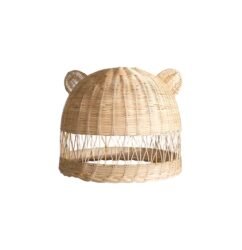

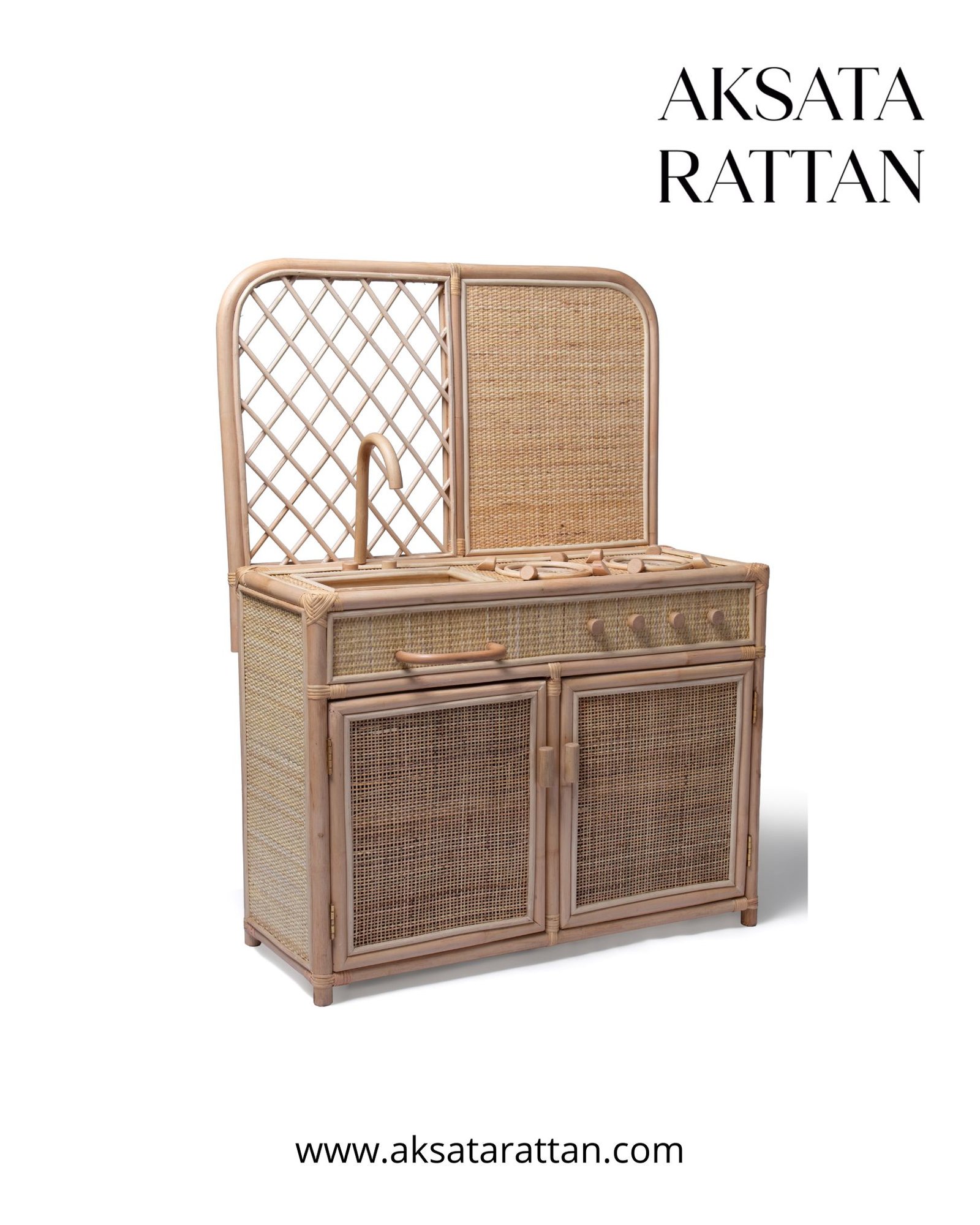
Handmade toys have gained increasing attention from parents who value quality, safety, and sustainability. Among these products, handmade rattan toys have become especially popular. Crafted from natural rattan fibers and shaped by skilled artisans, these toys offer a unique combination of traditional craftsmanship, natural beauty, and child-friendly design.
The process of creating handmade rattan toys involves careful techniques, patience, and artistic skill. Each piece reflects the dedication of the craftsmen who transform raw rattan into beautiful and functional toys for children.
Understanding Rattan as a Craft Material
Rattan is a natural material derived from climbing palm plants that grow mainly in tropical regions. It is known for its flexibility, strength, and lightweight structure, making it an ideal material for handcrafted items.
Before artisans begin crafting toys, the raw rattan must go through several preparation stages. The rattan is cleaned, cut, and sometimes treated to remove moisture and impurities. This preparation ensures that the material becomes durable and safe for long-term use.
Because rattan can be bent and woven easily, craftsmen can shape it into various forms suitable for children’s toys.
Traditional Weaving Techniques
One of the most important aspects of handmade rattan toys is the weaving process. Skilled artisans use traditional weaving techniques that have been passed down through generations. These techniques allow them to create strong and visually appealing structures.
The weaving process requires precision and patience. Artisans carefully intertwine thin rattan strands to form the desired shapes, such as toy baskets, doll cradles, miniature chairs, or toy storage containers.
Each pattern must be evenly woven to ensure both strength and aesthetic quality. The beauty of handmade rattan toys often lies in the intricate weaving patterns that give each piece its unique character.
Shaping and Structuring the Toys
After the weaving process begins, artisans shape the rattan to create the overall structure of the toy. This stage requires careful attention because rattan must be bent while maintaining its strength.
For example, when crafting a doll cradle or a small toy chair, the artisan carefully curves the rattan frame to form a stable structure. The flexibility of rattan allows craftsmen to create smooth curves and rounded edges, which are important safety features for children’s toys.
This shaping process often involves both manual skill and simple traditional tools.
Finishing and Safety Considerations
Because these toys are designed for children, safety is a critical part of the crafting process. Once the main structure is completed, artisans carefully smooth the surfaces to remove rough edges or splinters.
Many manufacturers also apply non-toxic finishes or protective coatings to preserve the natural appearance of the rattan while ensuring the toy remains safe for children. These finishes help protect the material from moisture and extend the lifespan of the toy.
The finishing process ensures that the toys are not only visually appealing but also safe and durable.
The Value of Handmade Quality
One of the most distinctive features of handmade rattan toys is their uniqueness. Unlike mass-produced plastic toys, each handmade piece reflects the artisan’s individual craftsmanship.
Small variations in weaving patterns or shape give each toy its own character, making it special and authentic. This handcrafted quality is highly valued by parents who appreciate products that combine artistry with functionality.
Handmade toys also tend to be more durable and thoughtfully designed compared to many factory-produced alternatives.
Supporting Local Artisans and Communities
The production of handmade rattan toys often takes place in communities where rattan craftsmanship has been practiced for generations. By purchasing these toys, consumers help support local artisans and preserve traditional skills.
This industry provides employment opportunities and encourages the continuation of cultural heritage in regions where rattan is widely available. Supporting handmade rattan products contributes not only to sustainable consumption but also to the well-being of artisan communities.
Encouraging Sustainable and Meaningful Play
Handmade rattan toys also align with modern parenting values that emphasize sustainability and meaningful play. Because they are made from natural materials, these toys provide an eco-friendly alternative to plastic products.
Their simple and natural designs encourage imaginative play, allowing children to explore creativity without relying on electronic features or bright artificial elements.
This type of play helps children develop problem-solving skills, creativity, and independence.
Conclusion
The craftsmanship behind handmade rattan toys for kids reflects a beautiful combination of tradition, skill, and thoughtful design. From preparing raw rattan materials to weaving, shaping, and finishing each piece, artisans invest time and care into creating toys that are safe, durable, and aesthetically appealing.
These handcrafted toys not only support children’s development but also promote sustainable living and preserve valuable cultural traditions. As interest in natural and eco-friendly products continues to grow, handmade rattan toys will remain a meaningful choice for families who value quality, creativity, and environmental responsibility.