

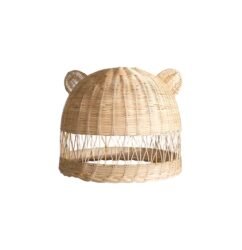



Rattan furniture has become a symbol of natural elegance and sustainable design in the global furniture market. Known for its durability, flexibility, and aesthetic appeal, rattan is widely used to produce high-quality furniture for homes, hotels, and commercial spaces. The transformation of raw rattan into premium furniture involves a detailed manufacturing process that combines traditional craftsmanship with modern production techniques.
Understanding Rattan as a Natural Resource
Rattan is a climbing palm that grows naturally in tropical forests, particularly in Southeast Asia. It is valued for its strong yet flexible structure, making it ideal for furniture production. Unlike hardwood trees that require decades to mature, rattan grows relatively quickly and can be harvested in a more sustainable way.
Because of its lightweight nature and natural appearance, rattan has become a preferred material for creating furniture that blends functionality with organic design.
Step 1: Harvesting and Selection of Raw Rattan
The manufacturing process begins with harvesting rattan canes from plantations or forests. Once harvested, the rattan is carefully sorted according to its diameter, length, and quality. Only high-quality canes that are straight, strong, and free from major defects are selected for furniture production.
This selection stage is essential because the quality of the raw rattan significantly affects the durability and appearance of the final product.
Step 2: Cleaning and Treatment
After selection, the rattan undergoes a cleaning process to remove dirt, bark, and outer skin. The canes are then treated to improve durability and protect them from pests, mold, and moisture.
In many manufacturing facilities, rattan is dried using natural air-drying methods or controlled drying systems. Proper drying ensures the material remains strong and stable during the furniture production process.
Step 3: Bending and Frame Construction
One of the most distinctive characteristics of rattan is its flexibility. By applying heat or steam, manufacturers can bend rattan into various shapes without breaking it. This technique allows craftsmen to create curved frames for chairs, tables, sofas, and other furniture pieces.
The thick rattan poles are used to construct the main frame of the furniture, providing structural strength and stability.
Step 4: Weaving and Detailing
Once the frame is complete, skilled artisans begin the weaving process. Thinner rattan strips or synthetic fibers may be woven around the frame to form decorative patterns and seating surfaces.
This stage requires precision and craftsmanship because the weaving pattern affects both the visual design and the comfort of the furniture. Many traditional weaving techniques are still used today, preserving cultural craftsmanship while producing modern designs.
Step 5: Sanding and Surface Finishing
After the weaving and assembly are complete, the furniture undergoes sanding to smooth the surface and remove any rough edges. This step ensures the furniture is safe, comfortable, and visually refined.
Manufacturers then apply finishing materials such as stains, lacquers, or natural coatings to enhance the color of the rattan and provide protection against wear, humidity, and sunlight.
Step 6: Quality Control and Final Inspection
Before the furniture is ready for distribution, it passes through a quality control process. Manufacturers inspect each piece to ensure it meets design standards, structural strength, and finishing quality.
Only furniture that meets these standards is approved for packaging and export to international markets.
The Role of Craftsmanship and Innovation
Although modern machinery can assist in certain stages of production, rattan furniture manufacturing still relies heavily on skilled artisans. Their experience in shaping, weaving, and assembling rattan ensures that each piece maintains a high level of quality and craftsmanship.
At the same time, manufacturers continue to innovate by introducing modern designs, improved finishing techniques, and environmentally friendly production methods.
Conclusion
The journey from natural rattan to premium furniture involves a combination of careful material selection, skilled craftsmanship, and thoughtful manufacturing processes. From harvesting and treatment to weaving and finishing, every stage plays an important role in creating furniture that is both durable and visually appealing.
As global demand for sustainable and stylish furniture continues to grow, rattan furniture manufacturing remains an important industry that combines natural resources, traditional craftsmanship, and modern innovation.