

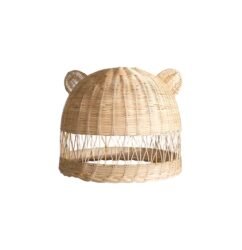
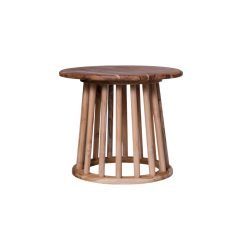
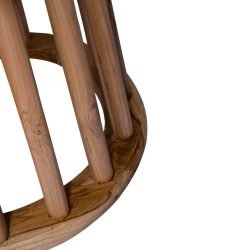


Rattan furniture has become a symbol of natural elegance and sustainable living in the modern furniture industry. Known for its durability, flexibility, and unique aesthetic appeal, rattan is widely used to create furniture for homes, hotels, and commercial spaces. What makes rattan furniture particularly special is the way its manufacturing process combines traditional craftsmanship with modern innovation. This balance allows manufacturers to preserve cultural heritage while meeting the demands of contemporary global markets.
The Foundation of Traditional Craftsmanship
Traditional craftsmanship forms the backbone of rattan furniture manufacturing. For generations, skilled artisans have developed techniques for shaping and weaving rattan into functional and decorative furniture pieces. These techniques are often passed down through families and communities, preserving cultural traditions and craftsmanship skills.
One of the most important traditional methods is hand weaving. Artisans use thin strands of rattan to create intricate patterns that wrap around the furniture frame. This weaving process not only strengthens the structure but also adds artistic detail to the final product.
Another essential traditional technique is bending rattan using heat or steam. This method allows craftsmen to form smooth curves and complex shapes without breaking the material, giving rattan furniture its distinctive design.
The Role of Skilled Artisans
Despite the growth of industrial technology, skilled artisans remain central to the rattan furniture manufacturing process. Their experience and craftsmanship ensure that each furniture piece maintains high quality and structural integrity.
Artisans carefully select the best rattan materials, shape the furniture frame, and weave decorative elements with precision. Their attention to detail adds uniqueness and character to every product, which is one of the reasons handmade rattan furniture is highly valued in global markets.
Integration of Modern Technology
While traditional techniques are essential, modern technology has improved the efficiency and consistency of rattan furniture production. Manufacturers now use advanced equipment for processes such as cutting, drying, and shaping rattan materials.
Controlled drying systems help maintain the proper moisture level in the rattan, reducing the risk of cracks or deformation. Precision tools also allow manufacturers to produce furniture frames with greater accuracy, improving durability and structural strength.
The use of modern finishing techniques, including protective coatings and environmentally friendly finishes, also enhances the quality and longevity of rattan furniture.
Innovation in Design and Materials
Modern rattan furniture manufacturers continue to innovate in response to changing consumer preferences and interior design trends. Designers experiment with new shapes, patterns, and structural concepts to create furniture that fits contemporary lifestyles.
Many modern designs combine rattan with other materials such as metal frames, glass surfaces, or fabric cushions. This combination of materials creates stylish furniture pieces that are both functional and visually appealing.
Through design innovation, rattan furniture can adapt to various interior styles, including minimalist, Scandinavian, tropical, and modern contemporary designs.
Supporting Sustainable Manufacturing
The combination of traditional craftsmanship and modern technology also supports sustainable furniture production. Rattan is a renewable resource that grows quickly and can be harvested with minimal environmental impact.
In addition, many rattan furniture manufacturers adopt eco-friendly production practices, including responsible sourcing of materials, waste reduction, and the use of non-toxic finishing products. These efforts align with the growing global demand for environmentally responsible furniture.
Conclusion
Rattan furniture manufacturing successfully combines tradition and innovation to create products that are both timeless and modern. Traditional craftsmanship preserves the artistic and cultural value of rattan furniture, while modern technology improves efficiency, durability, and design possibilities.
By maintaining this balance, rattan furniture manufacturers continue to produce high-quality furniture that meets the needs of modern consumers while honoring the rich heritage of rattan craftsmanship.