
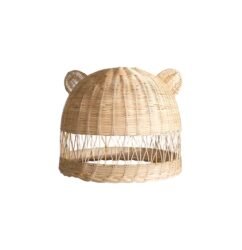




Rattan lanterns are admired around the world for their natural beauty, warm lighting, and handcrafted charm. Behind every elegant lantern displayed in a living room lies a fascinating journey that begins in small workshops and ends in beautifully designed homes. This journey reflects not only the craftsmanship of skilled artisans but also the sustainable value of natural materials used in modern home décor.
The Beginning: Harvesting and Preparing Rattan
The journey of a rattan lantern starts with the harvesting of rattan, a climbing palm that grows abundantly in tropical regions. Rattan is valued for its strength, flexibility, and lightweight nature, making it an ideal material for furniture and decorative items.
Once harvested, the raw rattan undergoes a preparation process. The material is cleaned, peeled, and cut into manageable strips. In many cases, the rattan is soaked or steamed to increase its flexibility, allowing artisans to shape and weave it more easily during the production stage.
Craftsmanship in the Workshop
After preparation, the rattan is brought to local workshops where skilled artisans begin the crafting process. Using traditional weaving techniques, craftsmen carefully shape the rattan into frames and intricate patterns that form the body of the lantern.
This stage requires patience and precision. Artisans must ensure that each strand is properly aligned and tightly woven to maintain both the lantern’s structural stability and visual appeal. Because the process is done by hand, every lantern carries a unique character that reflects the artisan’s skill and creativity.
Designing for Modern Homes
As the lantern takes shape, designers may influence its style to suit modern interior trends. Rattan lanterns are often crafted in various forms such as spheres, cylinders, or geometric shapes to match contemporary design preferences.
Manufacturers may also integrate modern features such as metal frames, glass inserts, or LED lighting systems. These additions help the lantern meet modern functional standards while preserving its natural aesthetic.
Finishing and Quality Control
Once the weaving process is complete, the lantern enters the finishing stage. Artisans apply protective coatings such as natural oils or eco-friendly varnishes to enhance the durability of the rattan and maintain its natural color.
Quality control is an important step before the lantern leaves the workshop. Each piece is inspected to ensure the weaving is secure, the structure is stable, and the finish is smooth. Only lanterns that meet these standards are prepared for packaging and distribution.
Arrival in the Living Room
After leaving the workshop, rattan lanterns are transported to retailers, designers, or directly to customers. Eventually, they find their place in living rooms, bedrooms, dining areas, or outdoor spaces.
When illuminated, the woven rattan structure creates soft lighting patterns that transform ordinary rooms into warm and inviting environments. What began as raw natural material and skilled craftsmanship now becomes a centerpiece that enhances the comfort and beauty of a home.
Conclusion
The journey of a rattan lantern—from workshop to living room—demonstrates the remarkable combination of natural materials, traditional craftsmanship, and modern design. Each lantern tells a story of creativity, sustainability, and dedication. As more homeowners seek unique and eco-friendly décor, rattan lanterns continue to illuminate homes while preserving the artistry and heritage behind their creation.