
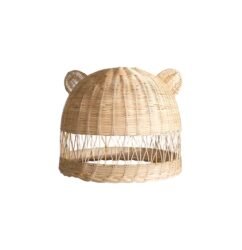
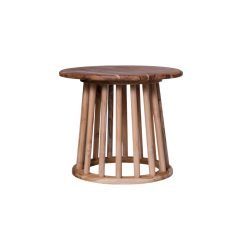

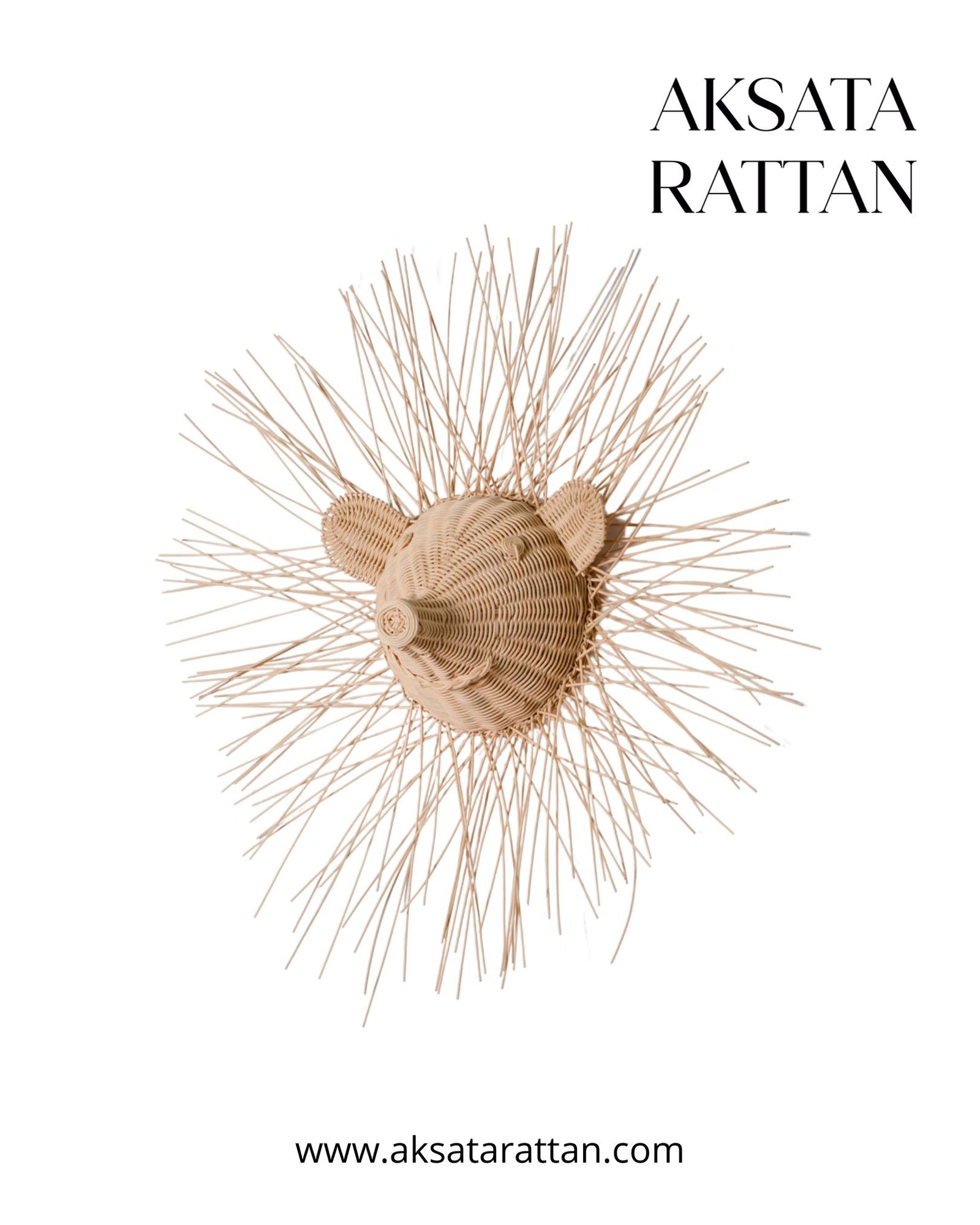
The rattan furniture industry has long been recognized for producing durable, stylish, and environmentally friendly furniture. For decades, rattan has been widely used to create chairs, tables, cabinets, and decorative interior items. However, as global markets evolve and consumer preferences change, many rattan furniture manufacturers are exploring new opportunities beyond traditional furniture production. One of the most notable developments is the diversification into children’s toy manufacturing.
By expanding from furniture to toys, rattan manufacturers are able to reach new markets, utilize their craftsmanship more creatively, and respond to the growing demand for sustainable children’s products.
The Changing Market for Rattan Products
The global furniture market has become increasingly competitive, encouraging manufacturers to develop new product categories. At the same time, there is a growing interest in natural and eco-friendly products across many industries, including the children’s toy sector.
Parents today are more conscious about the materials used in the toys their children play with. Many prefer products made from natural and renewable materials rather than plastic. This shift in consumer behavior has created new opportunities for rattan manufacturers to expand their offerings into toys and children’s furniture.
By diversifying their production, companies can reduce dependence on a single product category while attracting new customer segments.
Utilizing Existing Skills and Craftsmanship
One of the main advantages rattan furniture manufacturers have when entering the toy market is their existing expertise in working with rattan materials. The same techniques used to produce furniture—such as bending, weaving, and shaping rattan—can also be applied to smaller items like toys.
Skilled artisans who traditionally produce furniture can adapt their craftsmanship to create children’s products such as doll cradles, toy storage baskets, miniature chairs, toy kitchens, and rocking toys. Because these techniques are already well established, manufacturers can expand production without completely changing their core skills or tools.
This allows companies to innovate while preserving the traditional craftsmanship that defines rattan products.
Responding to the Demand for Sustainable Toys
The global toy industry has seen growing demand for sustainable and environmentally friendly alternatives to plastic toys. Consumers are increasingly interested in products that are safe for children and less harmful to the environment.
Rattan is a renewable natural resource that grows quickly in tropical forests. When harvested responsibly, it provides a sustainable material that can be used to create a wide variety of products. In addition, many rattan items are handcrafted, which reduces the environmental impact associated with large-scale industrial production.
By producing rattan toys, manufacturers can position themselves within the growing market for eco-friendly children’s products.
Designing Toys That Combine Play and Aesthetics
Another advantage of rattan toys is their ability to combine functionality with aesthetic value. Many parents today prefer toys that not only provide entertainment but also complement the interior design of their homes.
Rattan toys often feature soft natural colors and elegant woven textures that blend well with modern nursery designs and children’s playrooms. These products can serve both as play objects and as decorative elements within the home.
Examples of popular rattan toys include doll beds, toy baskets, miniature furniture, and play accessories that encourage imaginative play. This combination of play value and design appeal makes rattan toys especially attractive in contemporary households.
Expanding Global Market Opportunities
Diversification into toy production also opens access to new international markets. In regions such as Europe, North America, and Australia, there is strong demand for natural and handcrafted children’s products.
Online platforms and global e-commerce have made it easier for rattan manufacturers to promote their products internationally. Handmade and sustainable items often receive strong interest from consumers who value authenticity and environmentally responsible production.
This global demand provides an opportunity for rattan manufacturers to strengthen their export potential while building new brand identities.
Supporting Artisan Communities
The diversification of rattan manufacturing into toys also benefits artisan communities. Many rattan products are handcrafted by skilled workers who rely on traditional techniques passed down through generations.
By expanding production to include toys, manufacturers create additional employment opportunities for these artisans. This helps preserve cultural craftsmanship while supporting local economies in regions where rattan is widely available.
As demand grows, the industry can continue to support both innovation and tradition.
Conclusion
The expansion of rattan furniture manufacturing into children’s toy production represents an important step in the evolution of the industry. By diversifying their product lines, manufacturers can respond to changing consumer demands, explore new markets, and increase the value of their craftsmanship.
Rattan toys combine sustainability, creativity, and traditional artistry, making them a promising addition to the global market for eco-friendly products. As interest in natural materials and responsible manufacturing continues to grow, the diversification of rattan products from furniture to toys is likely to play an increasingly important role in the future of the industry.