

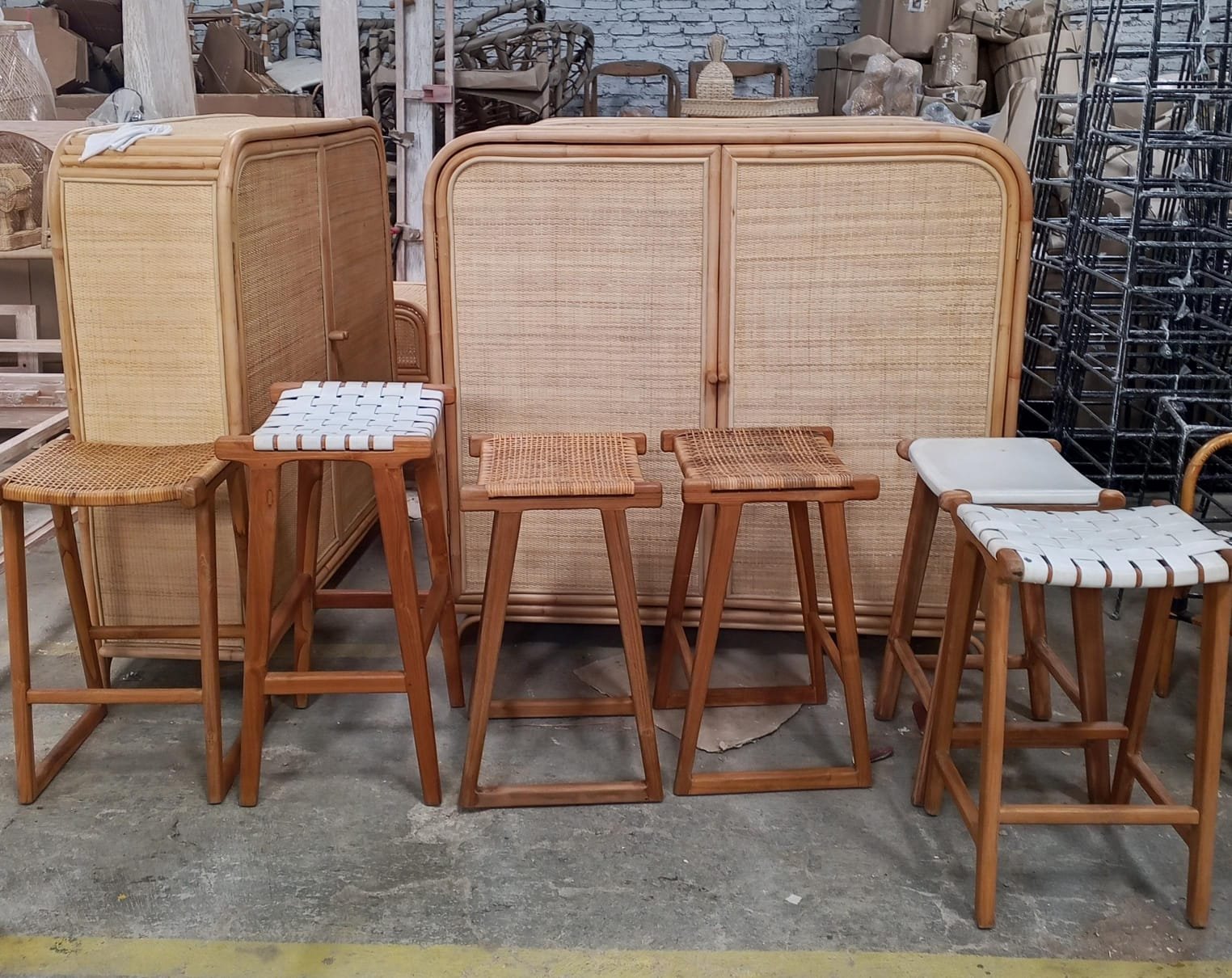
Natural rattan has long been recognized as one of the most versatile and valuable materials in the furniture industry. For decades, manufacturers, designers, and consumers have relied on rattan to create furniture that is both functional and aesthetically appealing. Despite the introduction of many modern materials, natural rattan continues to be widely used in furniture manufacturing due to its durability, sustainability, flexibility, and unique visual appeal.
The continued popularity of rattan demonstrates its ability to adapt to changing design trends and modern production techniques while maintaining its traditional advantages.
Sustainability and Environmental Benefits
One of the main reasons natural rattan remains a preferred material in furniture manufacturing is its environmental sustainability. Rattan is a rapidly growing vine that thrives in tropical forests and can regenerate much faster than many hardwood trees.
Because rattan grows quickly, it can be harvested more frequently without causing significant environmental damage when managed responsibly. This renewable nature makes rattan an eco-friendly alternative to materials that require decades to grow.
As consumers and businesses increasingly prioritize sustainable products, natural rattan continues to gain recognition as an environmentally responsible material for furniture production.
Strength and Durability
Natural rattan is also valued for its strength and durability. Although it appears lightweight, rattan has strong fibers that allow it to withstand significant pressure and weight. This strength makes it suitable for furniture structures such as chairs, tables, and sofas.
When properly processed and treated, rattan furniture can last for many years while maintaining its structural integrity. Its resistance to cracking and breaking also makes it a reliable material for long-term use.
This combination of strength and flexibility contributes to the durability of rattan furniture products.
Flexibility and Versatility
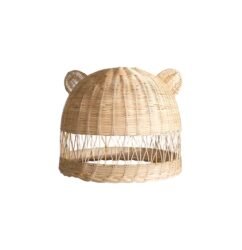
Another important advantage of natural rattan is its flexibility. Rattan can be bent and shaped into various forms without losing its strength. This flexibility allows manufacturers and craftsmen to create curved frames, intricate weaving patterns, and innovative furniture designs.
Because of its adaptable structure, rattan can be used to produce a wide variety of furniture products, including chairs, tables, cabinets, decorative panels, and outdoor furniture.
Its versatility also allows designers to combine rattan with other materials such as wood, metal, or glass to create modern and stylish furniture pieces.
Aesthetic Appeal and Natural Beauty
Natural rattan has a distinctive appearance that adds warmth and texture to interior spaces. Its organic patterns, natural color tones, and handcrafted weaving techniques create furniture that feels both elegant and inviting.
Many interior designers choose rattan furniture because it complements a wide range of design styles, including minimalist, Scandinavian, tropical, and bohemian interiors.
The natural beauty of rattan helps create comfortable and relaxing environments, making it a popular choice for homes, cafés, hotels, and resorts.
Lightweight and Practical
Compared to many other furniture materials, rattan is relatively lightweight. This characteristic makes rattan furniture easy to move, rearrange, and transport.
The lightweight nature of rattan is particularly useful in hospitality environments such as hotels, restaurants, and outdoor spaces where furniture may need to be repositioned frequently.
Despite its light weight, rattan furniture can still provide strong support and long-lasting performance when properly constructed.
Supporting Traditional Craftsmanship
The use of natural rattan also supports traditional craftsmanship in many regions where rattan resources are abundant. Skilled artisans use weaving techniques that have been passed down through generations to create furniture with unique artistic value.
Each handcrafted piece often reflects the skill and creativity of the craftsman, giving the furniture a distinctive character that cannot easily be replicated by mass production.
This connection between material and craftsmanship adds cultural value to rattan furniture manufacturing.
Adaptability to Modern Furniture Trends
Even as furniture design evolves, natural rattan continues to adapt to modern trends. Manufacturers now produce rattan furniture with contemporary shapes, minimalist structures, and innovative combinations with other materials.
Modern finishing techniques and design innovations allow rattan furniture to fit seamlessly into both traditional and contemporary interior spaces.
This adaptability ensures that natural rattan remains relevant in the constantly changing global furniture market.
Conclusion
Natural rattan remains a preferred material in furniture manufacturing because of its sustainability, durability, flexibility, and aesthetic appeal. Its ability to support both traditional craftsmanship and modern design innovation makes it a highly valuable resource in the furniture industry.
As global demand for environmentally friendly and stylish furniture continues to grow, natural rattan is likely to remain an essential material for manufacturers and designers worldwide. By combining its natural advantages with modern production techniques, the rattan furniture industry can continue to thrive in the years to come.