

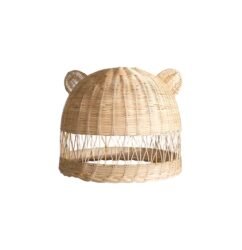
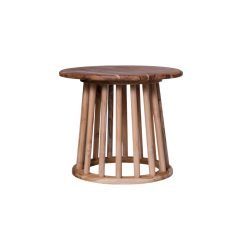

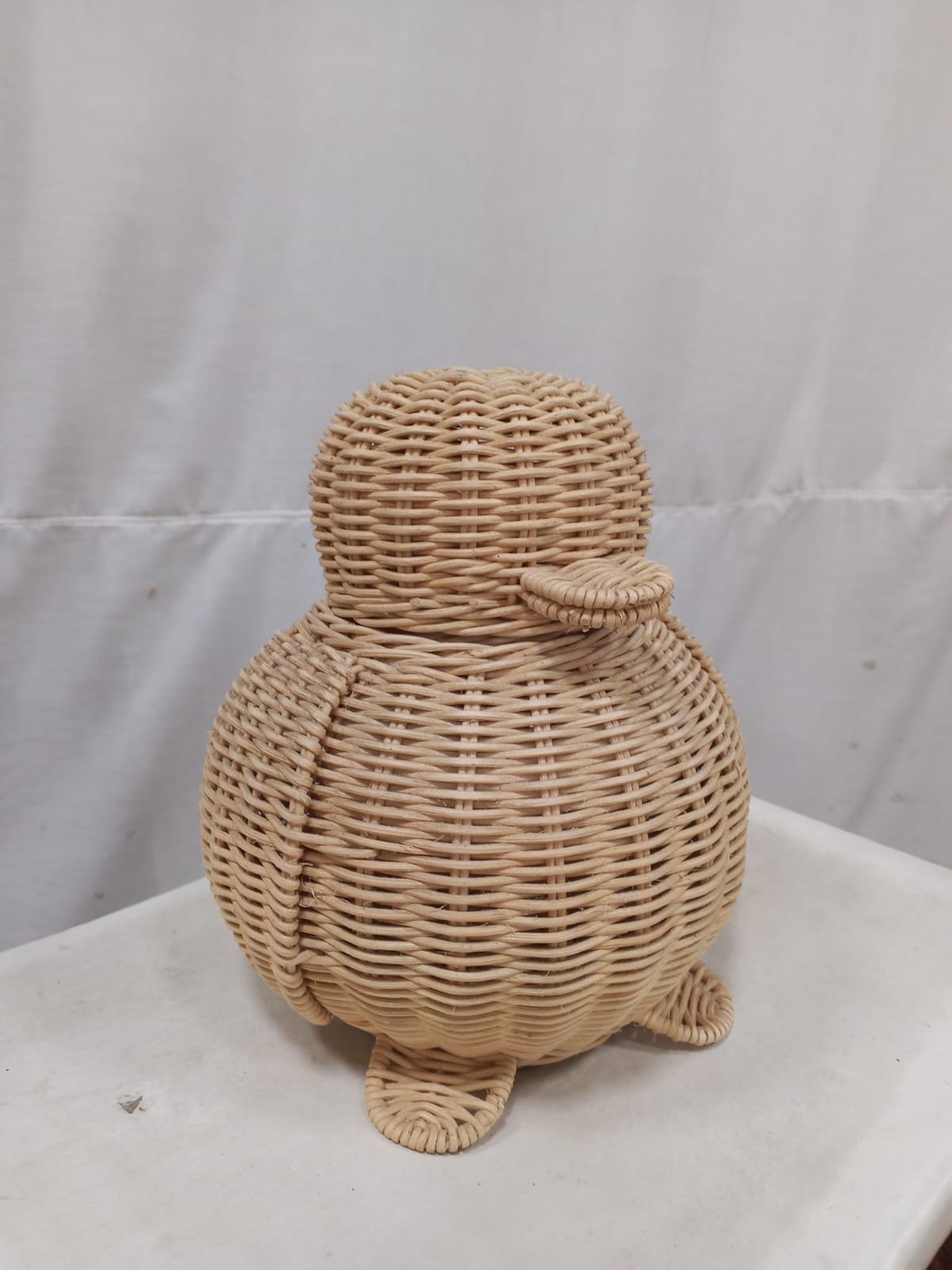
Rattan furniture has long been admired for its natural beauty, flexibility, and durability. For generations, artisans have crafted rattan furniture using traditional techniques that emphasize skill, patience, and attention to detail. However, as the global furniture industry continues to evolve, rattan manufacturers are increasingly combining these traditional methods with modern technology. This integration of craftsmanship and innovation allows the industry to improve efficiency, enhance product quality, and remain competitive in international markets.
The Heritage of Traditional Rattan Craftsmanship
Traditional rattan furniture manufacturing is deeply rooted in craftsmanship. Skilled artisans use manual techniques such as bending, shaping, and weaving rattan to create furniture structures and decorative patterns. These techniques are often passed down through generations, preserving cultural knowledge and craftsmanship traditions.
The weaving process, in particular, requires precision and experience. Artisans must maintain consistent tension and carefully arrange rattan strips to create strong and visually appealing patterns. This human touch gives rattan furniture a unique character that mass-produced furniture often lacks.
Because of this craftsmanship, handmade rattan furniture is highly valued by consumers who appreciate authenticity and artisanal quality.
The Role of Modern Technology in Production
While traditional craftsmanship remains essential, modern technology has introduced new possibilities for improving rattan furniture manufacturing. Advanced tools and machinery can assist in processes such as cutting, shaping, and preparing rattan materials.
For example, specialized bending equipment allows manufacturers to shape rattan more precisely and efficiently. Modern drying and treatment systems also help reduce moisture content and protect rattan from pests and environmental damage. These technologies improve the durability and consistency of the raw materials used in furniture production.
In addition, digital design software allows manufacturers to create detailed furniture models before the production process begins. This helps designers and craftsmen visualize the final product and minimize errors during manufacturing.
Improving Efficiency Without Losing Craftsmanship
One of the main challenges in modern rattan furniture manufacturing is maintaining the balance between efficiency and craftsmanship. While technology can accelerate certain production stages, many parts of the process—especially weaving—still rely heavily on skilled artisans.
Instead of replacing traditional skills, modern technology often serves as a supportive tool. Machines can assist with repetitive tasks or material preparation, allowing artisans to focus on the detailed craftsmanship that defines rattan furniture.
This combination helps manufacturers increase productivity while preserving the handmade qualities that make rattan furniture unique.
Innovation in Materials and Finishing
Modern technology has also improved the materials and finishing techniques used in rattan furniture manufacturing. Manufacturers now have access to eco-friendly coatings, advanced adhesives, and improved preservation treatments.
These innovations enhance the durability of rattan furniture while maintaining its natural appearance. Water-based finishes and environmentally friendly coatings also help reduce harmful emissions during the production process, supporting more sustainable manufacturing practices.
Such advancements allow rattan furniture to meet modern quality standards while remaining environmentally responsible.
Expanding Global Market Opportunities
The integration of traditional craftsmanship with modern technology has helped rattan furniture manufacturers expand their presence in global markets. By improving production efficiency and maintaining consistent quality, manufacturers can meet the demands of international buyers more effectively.
Modern marketing tools, digital platforms, and global logistics networks also enable manufacturers to reach customers worldwide. As a result, rattan furniture has become increasingly popular in homes, hotels, restaurants, and commercial spaces across many countries.
The combination of tradition and innovation strengthens the competitiveness of rattan furniture in the international furniture industry.
Conclusion
Rattan furniture manufacturing represents a successful blend of traditional craftsmanship and modern technology. Skilled artisans continue to play a central role in shaping and weaving rattan, preserving techniques that have been practiced for generations. At the same time, modern tools, digital design systems, and improved production technologies help enhance efficiency, quality, and sustainability.
By combining the strengths of tradition and innovation, the rattan furniture industry can continue to grow and adapt to changing market demands. This balanced approach ensures that rattan furniture remains both culturally meaningful and globally competitive in the modern era.