
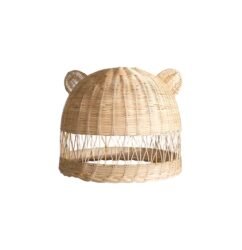
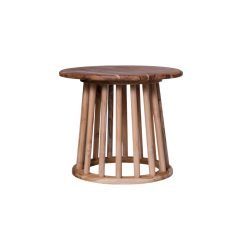

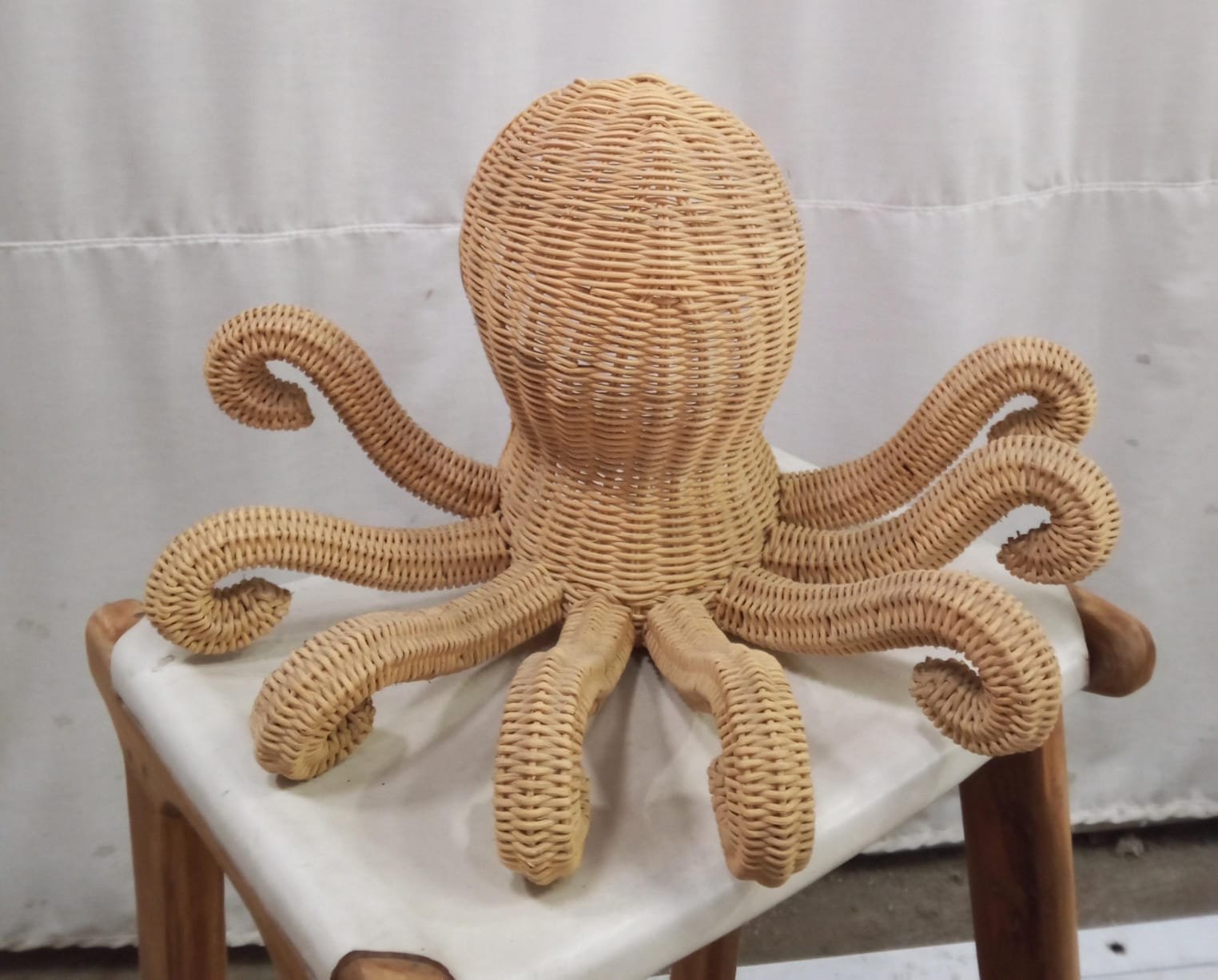
The rattan furniture industry has traditionally been known for its reliance on skilled craftsmanship and handmade production techniques. For many years, artisans played the central role in shaping, weaving, and assembling rattan into functional and decorative furniture pieces. However, as global demand for furniture has increased and production standards have become more competitive, technology has begun to play a crucial role in modern rattan furniture manufacturing. By integrating advanced tools and digital systems, manufacturers can improve efficiency, enhance product quality, and expand their design capabilities.
Improving Design Through Digital Tools
One of the most significant contributions of technology in modern rattan furniture manufacturing is the use of digital design tools. Computer-aided design (CAD) software allows designers to create detailed digital models of furniture before production begins.
With these tools, manufacturers can visualize the structure, proportions, and aesthetic elements of a product with greater accuracy. Designers can easily modify dimensions, materials, and design features during the development stage, which helps reduce errors and improve the final outcome.
Digital design tools also allow manufacturers to experiment with innovative shapes and structures that might be difficult to create through manual planning alone.
Enhancing Precision in Material Processing
Technology has also improved the way rattan materials are processed before being assembled into furniture. Modern machinery can assist with cutting, shaping, and bending rattan with higher precision and consistency.
For example, specialized bending equipment allows manufacturers to shape rattan into curved forms without damaging the material. Precision cutting tools ensure that rattan components are uniform in size, which makes the assembly process more efficient.
By improving material processing, technology helps manufacturers maintain consistent product quality while reducing production time.
Improving Drying and Treatment Systems
Proper drying and treatment are essential steps in preparing rattan for furniture production. Traditional drying methods often relied on natural air drying, which could be influenced by weather conditions and require long processing times.
Modern technology has introduced controlled drying systems that regulate temperature and humidity levels. These systems help remove excess moisture from rattan more efficiently, preventing problems such as cracking, warping, or mold growth.
In addition, advanced treatment techniques can protect rattan from insects and environmental damage, increasing the durability and lifespan of the finished furniture.
Supporting Efficient Production Processes
Technology also plays an important role in improving overall production efficiency. Automated or semi-automated tools can assist with repetitive tasks such as sanding, drilling, and assembling certain furniture components.
By reducing the time required for these tasks, manufacturers can increase productivity while allowing skilled artisans to focus on more complex aspects of the production process, such as weaving and finishing.
This combination of automation and craftsmanship helps manufacturers balance efficiency with the artistic value of handmade rattan furniture.
Strengthening Quality Control
Modern technology also contributes to improved quality control in rattan furniture manufacturing. Digital measurement tools and inspection equipment allow manufacturers to monitor product dimensions, structural stability, and finishing quality more accurately.
These systems help identify potential defects earlier in the production process, allowing manufacturers to correct issues before the products reach the final stage. Strong quality control systems improve customer satisfaction and strengthen the reputation of manufacturers in competitive international markets.
Expanding Global Market Access
Technology not only influences production but also affects how rattan furniture is marketed and distributed globally. Online platforms, digital catalogs, and e-commerce systems allow manufacturers to showcase their products to international buyers more easily.
Through digital marketing strategies, manufacturers can present their product collections, highlight craftsmanship, and communicate sustainability values to customers worldwide. This digital presence helps expand market reach and strengthen international trade opportunities.
Conclusion
Technology has become an essential component of modern rattan furniture manufacturing. From digital design tools and advanced processing equipment to improved drying systems and quality control technologies, innovation has significantly enhanced the efficiency and reliability of the production process.
While traditional craftsmanship remains an important foundation of the industry, the integration of technology allows manufacturers to meet modern production demands and global quality standards. By combining technological advancements with artisanal expertise, the rattan furniture industry can continue to grow and adapt in an increasingly competitive global market.