

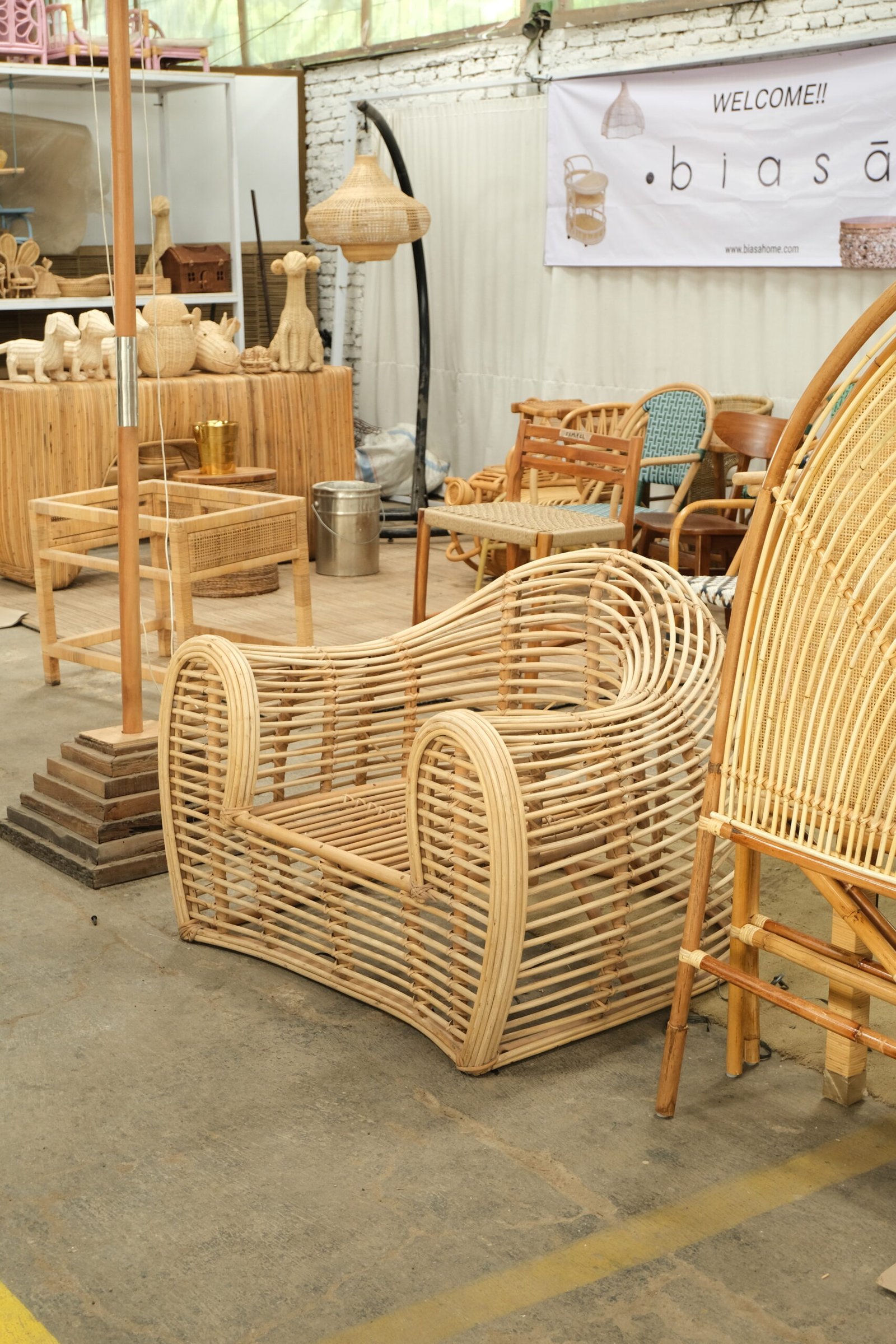
The rattan furniture manufacturing industry has a long history rooted in traditional craftsmanship and natural materials. For generations, artisans have used rattan to create durable and aesthetically pleasing furniture through manual weaving and shaping techniques. However, as global markets evolve and consumer expectations continue to change, innovation has become an essential factor in maintaining the growth and competitiveness of the rattan furniture industry. By integrating modern technology, new materials, and creative design approaches, manufacturers are transforming traditional rattan production into a more dynamic and globally competitive sector.
Innovation in Product Design
One of the most visible forms of innovation in the rattan furniture industry is the development of modern and creative product designs. While traditional rattan furniture often featured classic shapes and patterns, contemporary consumers increasingly seek furniture that matches modern interior design trends.
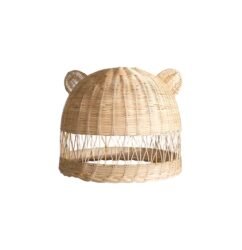
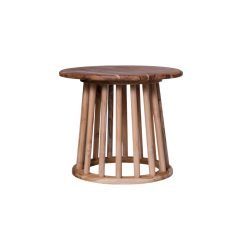
To meet these expectations, manufacturers collaborate with designers to develop new styles that combine traditional weaving techniques with modern aesthetics. Rattan furniture is now commonly found in minimalist, Scandinavian, tropical, and contemporary interior styles. Designers also experiment with unique shapes, geometric patterns, and multifunctional furniture to appeal to modern lifestyles.
This design innovation allows rattan furniture to remain relevant in global markets while maintaining its natural and handcrafted appeal.
Integration of Modern Materials
Innovation in materials has also played an important role in improving the durability and functionality of rattan furniture. While natural rattan remains the primary material, manufacturers often combine it with other materials such as metal, glass, wood, and fabric.
Metal frames can provide additional structural strength, while glass surfaces add practicality to tables and cabinets. Upholstered cushions enhance comfort, making rattan furniture more suitable for modern homes and commercial spaces. These material combinations expand the possibilities for furniture design while maintaining the unique aesthetic qualities of rattan.
Technological Advancements in Manufacturing
Technology has also influenced the production process in rattan furniture manufacturing. Although many weaving techniques still rely on skilled manual labor, manufacturers increasingly use modern tools and machinery to improve efficiency and precision.
For example, advanced cutting tools and bending equipment help shape rattan materials more accurately and consistently. Digital design software is also used to create detailed furniture models before production begins. These technologies allow manufacturers to reduce production errors, improve product consistency, and increase overall productivity.
Sustainable Innovation
Innovation in the rattan furniture industry is also closely linked to sustainability. As global awareness of environmental issues grows, manufacturers are developing more environmentally responsible production methods.
Many companies now use eco-friendly finishes, water-based coatings, and low-emission materials. Some manufacturers are also implementing waste reduction strategies by reusing leftover rattan materials to create smaller products or decorative items. These sustainable innovations help reduce environmental impact while meeting the expectations of environmentally conscious consumers.
Expanding Global Market Opportunities
Innovation has also helped rattan furniture manufacturers expand their presence in international markets. By developing modern designs, improving product quality, and adopting efficient production methods, companies can better compete with furniture made from other materials.
In addition, digital marketing and online platforms allow manufacturers to promote their products to global buyers more easily. This increased visibility helps rattan furniture reach new markets and customer segments around the world.
Conclusion
Innovation plays a crucial role in the continued development of the rattan furniture manufacturing industry. Through advancements in design, materials, technology, and sustainability, manufacturers can adapt to changing consumer preferences and global market demands.
By combining traditional craftsmanship with modern innovation, the rattan furniture industry can preserve its cultural heritage while continuing to grow in an increasingly competitive global marketplace. As innovation continues to evolve, rattan furniture will remain a valuable and sustainable option within the modern furniture industry.