


In recent years, handmade rattan furniture has gained significant attention in global markets. As consumers become more conscious of sustainability, craftsmanship, and unique design, natural materials like rattan have become increasingly desirable. Handmade rattan furniture offers a combination of traditional artistry, environmental friendliness, and aesthetic appeal that attracts buyers from various regions around the world. This growing demand has positioned rattan furniture as an important product in the international furniture industry.
The Appeal of Natural and Sustainable Materials
One of the main reasons behind the rising popularity of handmade rattan furniture is the growing global interest in sustainable materials. Consumers are becoming more aware of the environmental impact of their purchasing decisions and are actively seeking products made from renewable resources.
Rattan is considered an environmentally friendly material because it grows quickly and can be harvested without causing major damage to forest ecosystems. Compared to hardwood trees that require decades to mature, rattan regenerates much faster, making it a more sustainable option for furniture production.
Because of these environmental benefits, many consumers view rattan furniture as a responsible and eco-friendly choice for their homes and commercial spaces.
Unique Aesthetic and Craftsmanship
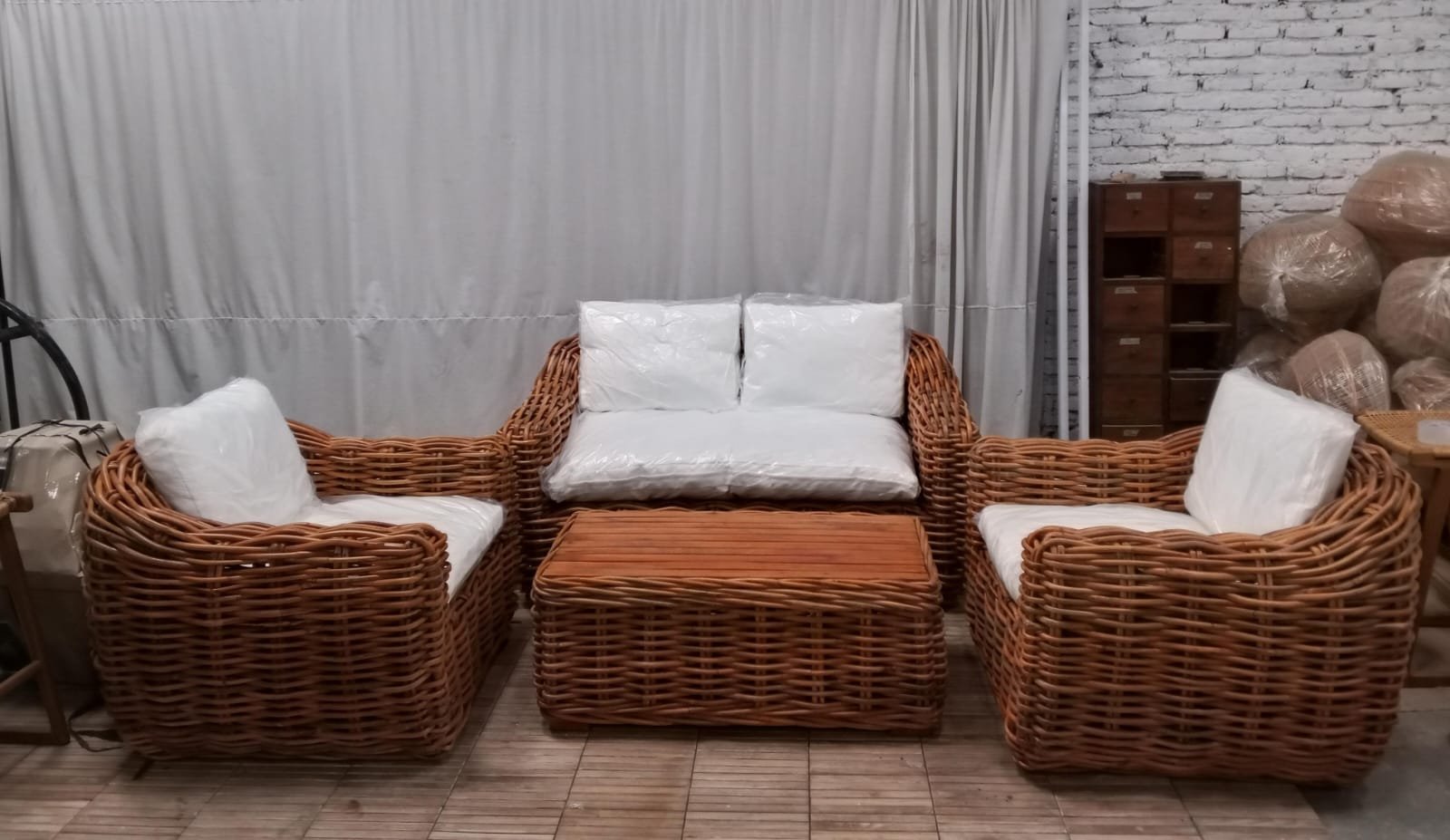
Handmade rattan furniture is also valued for its distinctive aesthetic qualities. Skilled artisans use traditional weaving techniques to create intricate patterns and elegant structures that cannot easily be replicated by machines.
Each piece of handmade furniture carries a unique character, reflecting the craftsmanship and creativity of the artisan who produced it. This individuality adds emotional and artistic value to the furniture, making it more appealing to consumers who appreciate authentic handcrafted products.
In contrast to mass-produced furniture, handmade rattan pieces often feel more personal and exclusive.
Compatibility with Modern Interior Design Trends
Another factor contributing to the popularity of handmade rattan furniture is its compatibility with modern interior design trends. Many contemporary design styles emphasize natural materials, organic textures, and warm, inviting spaces.
Design styles such as minimalist, Scandinavian, tropical, and bohemian interiors frequently incorporate rattan furniture as a key decorative element. The natural color and flexible structure of rattan allow it to blend easily with other materials such as wood, metal, and fabric.
This versatility makes handmade rattan furniture suitable for a wide variety of interior environments, from residential homes to cafés, hotels, and resorts.
Growing Demand in the Hospitality Industry
The hospitality industry has also played an important role in increasing the global popularity of handmade rattan furniture. Hotels, restaurants, and resorts often use rattan furniture to create comfortable and visually attractive spaces for their guests.
Rattan furniture is especially popular in outdoor environments such as terraces, garden areas, and beachfront resorts. Its lightweight structure and natural appearance help create relaxing atmospheres that enhance the overall guest experience.
As global tourism continues to expand, the demand for stylish and durable furniture in hospitality spaces continues to grow.
Opportunities for Artisan Communities
The rising demand for handmade rattan furniture also creates important economic opportunities for artisan communities, particularly in regions where rattan resources are abundant. Countries in Southeast Asia, for example, have long traditions of rattan craftsmanship and play a major role in supplying rattan furniture to international markets.
By participating in global trade, local craftsmen and small-scale manufacturers can expand their businesses and improve their economic stability. This not only supports local economies but also helps preserve traditional weaving skills that have been passed down through generations.
The Role of Digital Marketing and Global Trade
Advancements in digital technology have also helped increase the visibility of handmade rattan furniture in global markets. Through online marketplaces, company websites, and social media platforms, manufacturers and artisans can now present their products to international buyers more easily.
Digital platforms allow businesses to share product catalogs, design concepts, and production stories that highlight the craftsmanship behind each piece of furniture. This transparency often strengthens consumer trust and appreciation for handmade products.
As a result, even small manufacturers can reach customers in different parts of the world.
Conclusion
The growing popularity of handmade rattan furniture in global markets is driven by several important factors, including increasing demand for sustainable materials, appreciation for traditional craftsmanship, and compatibility with modern interior design trends. In addition, the hospitality industry and digital marketing platforms have further expanded the global reach of rattan furniture products.
As consumers continue to seek environmentally responsible and aesthetically appealing furniture, handmade rattan products are likely to remain highly valued in the international market. By combining cultural craftsmanship with modern marketing strategies, the rattan furniture industry has strong potential for continued growth in the years to come.